
Waste-free menstruation: Sustainable alternatives to tampons and pads
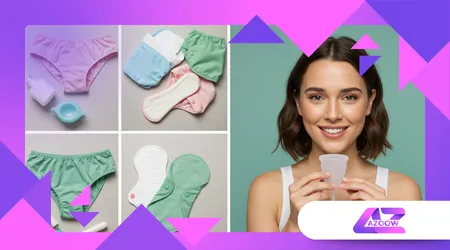
Advertisement
Menstruation is a natural process, but it causes massive environmental pollution worldwide. Billions of disposable products end up in landfills or the oceans every year.
The change to a Waste-free menstruation is therefore a logical and necessary step in a consistent zero-waste lifestyle. This is not only ecologically sound, but often also healthier, more convenient, and more cost-effective in the long run.
This detailed guide explores the innovative, reusable alternatives that dominate the market today. We analyze the economic benefits, health aspects, and environmental impacts of this transition.
It's about making sustainable choices for our bodies and our planet. It's high time to break the taboo and talk about the invisible waste that comes with every cycle.
The Ecological Legacy: The Balance Sheet of Disposable Products
To understand the urgency of the change, one must consider the shocking statistics of conventional menstrual hygiene.
Plastic and disposal
Conventional pads and tampons are not pure cotton products. They often contain plastics (polyethylene, polypropylene), adhesives, and superabsorbents. These materials make the products non-biodegradable.
On average, a menstruating person uses between 10,000 and 15,000 disposable products over their lifetime. When extrapolated to the global population, this results in a staggering amount of plastic waste annually. Every tampon wrapper and every sanitary pad directly contributes to the global plastic flood.
According to estimates by German environmental organizations from 2024, the plastic content in a conventional sanitary pad can be up to 90%. These products take hundreds of years to decompose. The switch to a Waste-free menstruation radically reduces this footprint.
++ DIY cleaning products & household without chemicals
Chemicals and bleach
Conventional hygiene products are often bleached (often with chlorine) to achieve a pure white color. They also contain fragrances and additives that can cause skin irritation or allergies.
These chemicals are not only potentially harmful to the body, but their production also pollutes the environment (wastewater pollution). Waste-free menstruation relies on certified, harmless materials or medical plastics without additives.
The environmental and health impacts of conventional products are a clear call to action. We can avoid this unnecessary pollution through conscious choices.
The Reuse Revolution: Sustainable Alternatives
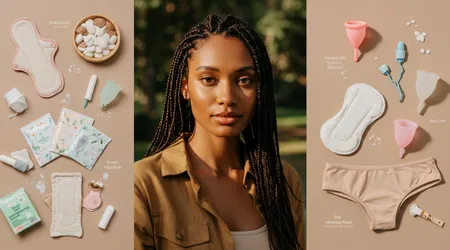
The modern alternatives are not only ecologically superior, but also offer unprecedented comfort and significant cost savings.
Menstrual Cups: The Long-Term Solution
The menstrual cup (often made of medical-grade silicone or TPE) is the best-known and arguably the most durable zero-waste solution. It is inserted folded, collects blood, and can be worn for up to 12 hours.
See more: Zero Waste Kitchen: How to Avoid Food Waste
Economy and comfort
A single menstrual cup can last up to ten years with proper care. The initial cost of approximately €20 to €40 often pays for itself after just a few cycles.
- Economic advantage: With an average annual expenditure of 150 euros for disposable products (estimate 2025), you save over ten years more than 1,400 euros.
- Health benefits: Unlike tampons, the cap does not dry out the vaginal flora and is free of chemicals.
This product symbolizes the Waste-free menstruation: Maximum comfort with minimal environmental impact. It's a simple, one-time investment lasting a decade.
Washable cloth pads and period underwear
For those who prefer external solutions, cloth pads and period underwear offer excellent, comfortable, and safe alternatives.
See also: How to find sustainable clothing and avoid fast fashion
The Soft Barrier and the Washing Routine
Washable pads They are made from several layers of organic cotton or bamboo and are easily fastened with snap fasteners. They are extremely soft and breathable, preventing skin irritation.
Period underwear integrates the absorbent layer directly into the briefs and offers a high degree of discretion and security. It is the most convenient and uncomplicated method for Waste-free menstruation.
Cleaning is easier than many people think: Rinse with cold water and then machine wash at 40°C to 60°C. A small extra effort for a huge environmental benefit.
Example: The new generation of period underwear uses innovative membrane layers that are breathable and moisture-proof.
A Berlin-based startup has developed a technology that produces these membranes from recycled nylon, further reducing the ecological footprint of production.
Focus on health: TSST and toxin-free
The most important health aspect of Waste-free menstruation concerns toxic shock syndrome (TSST) and chemical avoidance.
The minimized risk of TSST
TSST is a rare but life-threatening condition often associated with prolonged use of highly absorbent tampons. The menstrual cup poses a lower risk in this regard, as it only collects blood and doesn't dry out the lining.
The cap's wearing time is more flexible, which increases comfort. However, it's important to strictly follow the cleaning instructions to ensure hygienic use.
Less is more: Let the skin breathe
Cloth pads and period underwear made from organic cotton or bamboo are free from bleach, fragrances, and harsh adhesives that can cause skin irritation in conventional pads.
By using these natural, breathable fibers, the sensitive skin in the intimate area is protected and the risk of allergic reactions is minimized. The decision for Waste-free menstruation is therefore also a decision for more physical health.
Analogies: Switching to reusable menstrual products is like switching from disposable batteries to rechargeable batteries. The initial purchase costs more, but you eliminate the constant waste and save enormous amounts of resources and money in the long run.
Economics and Ecology in Comparison (Ten Years)
| product | material | Acquisition costs (approx. 10 years) | Amount of waste (approx. 10 years) |
| Tampons/Pads (Conventional) | Plastic, cellulose, chemicals | €1,500 – €2,500 | 1,200 – 1,800 liters (landfill volume) |
| Menstrual cup | Medical silicone | 20 € – 40 € (plus cleaning supplies) | Less than 50g (after disposal) |
| Period underwear (5 pieces) | Organic cotton, Tencel | €200 – €300 (replaced in 10 years) | Less than 1 kg (after disposal) |
Conclusion: The Personal Decision for The World
The Waste-free menstruation is a simple yet highly effective measure in the zero-waste lifestyle. The alternatives, from the durable menstrual cup to comfortable period underwear, are sophisticated, safe, and offer a clear economic advantage.
Given the billions of plastic products thrown away each year, every menstruating person has the power to make a significant contribution to reducing waste and protecting the environment through this conscious choice.
It's an intimate decision with global implications. Which of the sustainable alternatives best fits your lifestyle? Share your experiences and cleaning tips in the comments!
Frequently Asked Questions (FAQ)
Q: How hygienic is a menstrual cup compared to tampons?
A: Menstrual cups are very hygienic. The medical-grade silicone is easy to clean and collects blood instead of absorbing it.
It is important to boil the cap between cycles and clean it with water and a mild, unscented soap during the cycle.
Q: Doesn't period underwear feel like a thick diaper?
A: Modern period underwear is extremely thin and technologically advanced. Absorbency is achieved through thin, breathable layers that don't retain moisture. It feels almost as comfortable as regular, well-fitting underwear.
Q: How do I know what size menstrual cup I need?
A: The size usually depends on age, birth history and the strength of the pelvic floor muscles, not on the amount of bleeding.
Most manufacturers offer accurate size charts and recommendations on their websites. Trying on is often the best way to achieve the perfect fit, which is essential for successful Waste-free menstruation is crucial.