
DIY cleaning products & household without chemicals
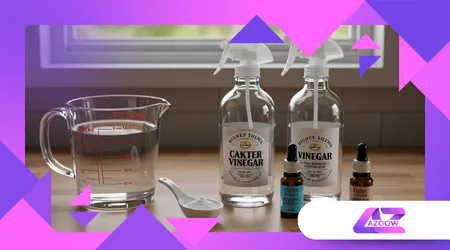
Advertisement
Welcome to the world of DIY cleaning products & household without chemicals, where everyday heroes like vinegar and baking soda become superstars.
By 2025, as the EU has tightened its regulations on environmentally harmful substances – think of the updated REACH regulation, which further restricts microplastics in cleaners – this approach will no longer be just trendy, but essential.
Each of us contributes to a healthier planet by detoxifying our homes. But why now? Because studies show that conventional methods flush millions of tons of chemicals into wastewater every year, decimating fish and insects.
Here, I not only share recipes, but also passionately argue why we should refuse to turn our homes into toxin factories. Let's dive in with practical tips that will make your life easier and protect the planet.
The appeal of DIY cleaning products & household without chemicals lies in its simplicity. Take an old spray bottle, fill it with kitchen ingredients, and you have a product that tackles stains without triggering allergies.
I remember a friend who got rid of her headaches after switching to homemade sprays—a small victory against invisible enemies. But that's just the beginning.
In times when influencers on TikTok share zero-waste hacks that garner millions of views, it becomes clear: change is coming from below.
And you? Can you imagine how liberating it would be when your home truly became your sanctuary, far from synthetic fragrances?
The hidden dangers of conventional cleaners
Conventional cleaning products act like stealth fighters: They promise shine, but their toxicity seeps deeper. Phosphate-laden formulas fertilize algal blooms in rivers, causing ecosystems to collapse.
According to 2021 data from the Federal Environment Agency (UBA), which will be even more relevant in 2025 as consumption continues to rise, private individuals purchased around 1.5 million tons of detergents and cleaning products.
These chemicals survive sewage treatment plants and end up in waterways, where they harm microorganisms. Imagine your favorite lake becoming a chemical bomb just because we pay for cleanliness.
Am I arguing against Big Cleaning here? Absolutely. Companies push specialty cleaners that are unnecessary and expensive to boot.
A study by NABU (Nature and Biodiversity Conservation Union) emphasizes that over 630,000 tons of such products flow into the cycle annually, and the trend is rising. The result? Contaminated soils, as sewage sludge ends up as fertilizer. So why not rethink things?
Natural alternatives clean just as effectively, without collateral damage. Think about children playing on the floor—do we really want their hands smeared with neurotoxins?
Another aspect: the health trap. Many products contain fragrances that act as endocrine disruptors and disrupt hormone balance.
++ Upcycling ideas for old clothes and fabric scraps
In 2025, with increasing sensitivity to long-COVID after-effects that sensitize the respiratory system, this will become a priority.
I urge you to read labels and weep inwardly over the warnings. Better yet, build a chemical-free barrier that strengthens your immune system.
The transition to DIY cleaning products & household without chemicals feels rebellious. It's like a silent protest against overconsumption.
And the environment thanks us: fewer plastic bottles in the trash, less CO2 from transport. An analogy? Imagine your home as a garden: Chemical sprays are pesticides that kill bees; DIY remedies nourish and regenerate compost. This brings us full circle.
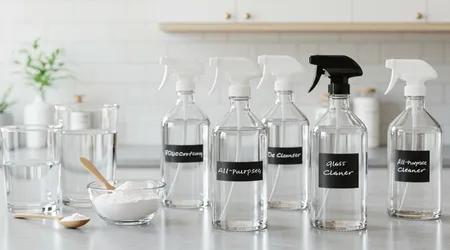
Basic components for your DIY arsenal
Every revolution needs basic building blocks. DIY cleaning products & household without chemicals These are vinegar, baking soda and lemons.
Vinegar, the king of acids, dissolves limescale like a pro without damaging surfaces. Get some white household vinegar; its 5 percent acidity is enough for most jobs. Baking soda, on the other hand, gently scrubs and neutralizes odors; sprinkle it in the refrigerator, and goodbye fish fumes.
Lemons bring freshness and antibacterial power. Squeeze the juice or grate the peels for infusions. Turn waste into treasure. Complement with curd soap, which is derived from vegetable oils and magically dissolves grease.
See more: Zero Waste Kitchen: How to Avoid Food Waste
This pack of four costs less than €10 a month and replaces a shelf full of bottles. Practical? Absolutely. Mix them in recycled containers, and your bathroom will sparkle.
But be careful: Not everything fits everywhere. Avoid using vinegar on natural stone, as the acid is corrosive. Test in inconspicuous areas. This way, you can avoid mistakes and build trust. In 2025, with apps like "CleanScan" for checking ingredients, this will be even easier.
These basics make DIY cleaning products & household without chemicals Accessible. No lab needed, just creativity. And the scent? Natural, earthy like a walk in the woods, not like a chemical plant.
Practical recipes: All-rounders from the kitchen
Let's get mixing! Our first hit: the universal spray cleaner. Take 200 ml of water, 100 ml of vinegar, a teaspoon of baking soda, and 10 drops of lemon essential oil.
Shake, spray, and wipe—perfect for kitchen surfaces. It degreases stovetops in minutes, without leaving any residue. I test it weekly; it saves time and hassle.
For stubborn limescale in the bathroom: Citric acid paste. Dissolve two tablespoons of citric acid in 100 ml of warm water and rub it onto the fixtures.
Let it soak for 15 minutes. Limescale dissolves like snow in the sun. Rinse, polish: Shine guaranteed. My original tip: Add fine salt for extra scrubbing power on water stains.
Next up: A lather made from curd soap. Rub 50 g of soap into 500 ml of hot water, mix with vinegar essence (diluted!). Pour in, brush away germs, and goodbye. The recipe is vegan and skin-friendly; ideal for families with sensitive skin.
See also:How to find sustainable clothing and avoid fast fashion
Cleaning windows? A 1:1 vinegar-water mix, wiped with newspaper. Streak-free and inexpensive. In 2025, with rising energy prices, it'll be worth it: less electricity for washing machines, more efficiency.
These recipes for DIY cleaning products & household without chemicals are game-changers. They demand: Try one today. Will you feel the difference?
Special solutions for tricky challenges
Cleaning the oven? Baking soda paste works wonders. Mix baking soda with water to a paste, apply, and let it sit overnight. Wipe it off, and grease stains disappear without a sound. I swear by it; it saves the oven after parties.
Squeaky floors? A bucket of hot water, vinegar, and lavender oil. Wipe, let dry—antibacterial and fragrant. Avoid soap here, as residue sticks. A smart twist: For wooden floors, stir in a little soap for protection.
Dead odor in your refrigerator? Place baking soda in a bowl and it will absorb like a sponge. Renew monthly. Or infuse vinegar with herbs for a musty spray booster.
What about stains on fabric? Rub in lemon juice and salt, let the sun work its magic, and it's a natural bleaching agent. Works on wine and coffee; test for colorfastness.
These tricks make DIY cleaning products & household without chemicals to an everyday life savior. They argue for prevention: Regular cleaning prevents chaos.
Focus on sustainability: Less waste, more impact
Zero waste means refuse, reduce, and DIY fits perfectly. Every homemade batch saves plastic; recycle bottles from bulky waste. In 2025, with the EU plastics tax making packaging more expensive, this will pay off.
Statistics underscore this: According to UBA data, every German produced 562 kg of household waste in 2019, and the trend is rising. Imagine if DIY halved your share. That's not a drop in the ocean, but an ocean change.
Costs? A liter of spray costs 20 cents, compared to 3 euros at the supermarket. Save 80 percent by investing in organic ingredients. And the carbon footprint? Minimal, thanks to local products.
DIY cleaning products & household without chemicals Creates cycles. Compost bowls, upcycle glasses – your household breathes sustainably.
Integration into everyday life: Tips for lasting success
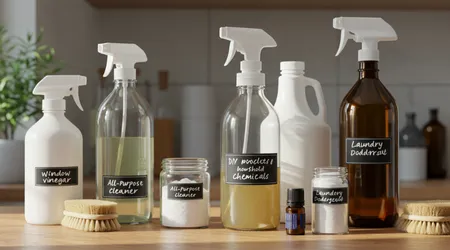
Start small: Choose one recipe per room. Monday kitchen, Tuesday bathroom routine builds up. Store ingredients centrally; a DIY kit in the cupboard provides motivation.
Want to get families involved? Kids love mixing things up; it teaches responsibility. "Dad, let's do the sprayer!" turns cleaning into a game.
Challenges? Stay motivated with a journal: Record successes like "No headaches after swiping today." Apps track progress.
In 2025, with smart home devices, integrate timers for soaking more efficient everyday life.
DIY cleaning products & household without chemicals It subtly changes habits. It asks: Why go back to chemicals when natural things win?
New trends 2025: Innovations in zero-waste cleaning
Fermented cleaners are exploding this year. Vinegar and leftovers are being fermented into probiotic sprays that fight bacteria without sterilizing. A trend from Scandinavia: healthier for the microbiome.
Furthermore: upcycling with AI apps that adapt recipes. Scan ingredients and get personalized mixes. And plant enzymes from pineapple? They digest stains biologically with cutting-edge naturalness.
Local zero-waste stores are booming; fill up on loose soda. In Berlin, the Zero Waste Agency 2025 is conducting a monitoring test. Results show 30 percent less waste among DIY users.
Spice up these trends DIY cleaning products & household without chemicals They keep it fresh and forward-looking.
A table for an overview: Recipes in comparison
| Cleaner type | Ingredients (for 500 ml) | Application | Advantages | Costs (approx.) |
|---|---|---|---|---|
| Universal spray | 200 ml water, 100 ml vinegar, 1 tsp baking soda, 10 drops oil | Kitchen surfaces, tables | Degreased, disinfected | 0,20 € |
| Limescale remover | 2 tablespoons citric acid, 100 ml water, pinch of salt | Bathroom fittings, shower | Removes limescale quickly and without streaks | 0,15 € |
| Toilet foam | 50 g curd soap, 500 ml hot water, 50 ml vinegar | toilet bowl | Grease-dissolving, odorless | 0,30 € |
| window cleaner | 250 ml vinegar, 250 ml water | Windows, mirrors | Shines without streaks, affordable | 0,10 € |
| Oven paste | 100 g baking soda, water to a paste | Oven interior | For stubborn grease, overnight | 0,25 € |
This overview demonstrates: diversity without complexity. Adapt, experiment.
Conclusion: Your household, your revolution
In summary: DIY cleaning products & household without chemicals is more than cleaning; it's empowerment. You save money, protect your health, and contribute to climate goals.
In 2025, when cities like Kiel strive for zero-waste status, you'll be a pioneer. Get started, share your successes; the planet needs your creativity.
What if your next wipe initiates change? Join us for a bright, clean home.
Frequently Asked Questions (FAQs)
Are DIY cleaners really as effective as chemical ones?
Yes, often even better: they attack specifically, leaving no residue. Try it yourself!
Can I leave out essential oils?
Sure, they're optional for fragrance. The base still works powerfully.
Does a homemade cleaner last long?
Store in a cool, dark place for up to 4 weeks; store longer with vinegar.
What if I have allergies?
Choose hypoallergenic ingredients like pure vinegar; patch test.
Is this suitable for hard water households?
Absolute citric acid compensates for limescale better than synthetics.