
The ultimate zero waste guide: Step by step to waste prevention
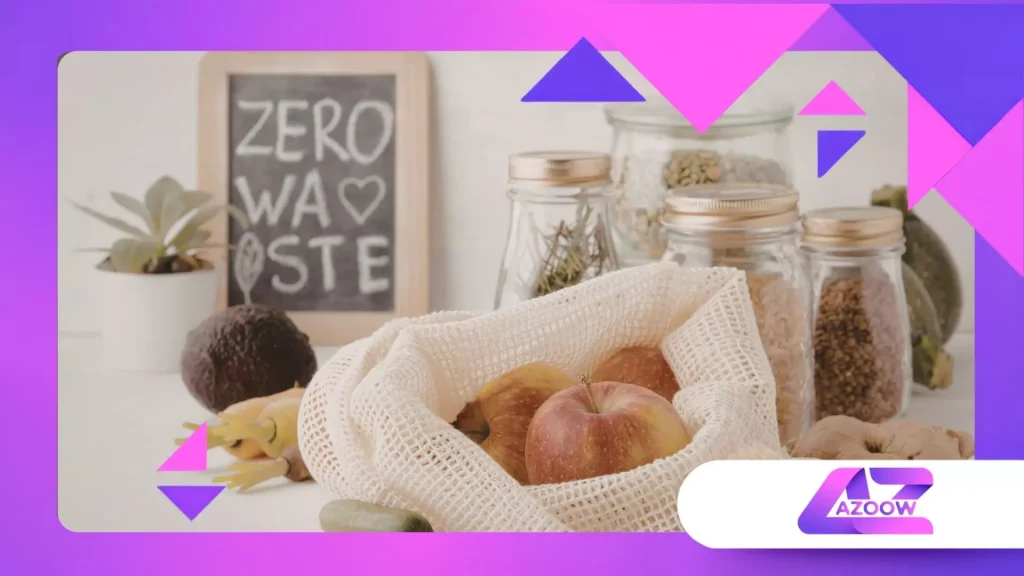
The ultimate zero waste guide It revolutionizes our urban everyday life in 2026 and shows precise ways out of the global resource crisis.
Advertisement
Every day we leave behind tons of invisible microplastic waste that gradually poisons our biosphere and ultimately our own health.
Our planet is acting like an overcrowded bathroom with the tap running constantly; we must finally turn off the tap.
Today, sustainability no longer simply means abstaining from consumption, but rather an intelligent, future-proof restructuring of all our daily consumption habits.
By making minimal but consistent adjustments in the household, we drastically reduce our ecological footprint and simultaneously regain valuable quality of life.
Advertisement
Become an active part of this green transformation in modern everyday life now.
Key areas of waste prevention
- Rethinking consumption: Consistent reduction of single-use packaging through the targeted use of durable reusable systems in everyday life.
- Resource conservationOptimizing daily food consumption to avoid unnecessary organic waste in the home kitchen.
- Circular economy: Transition to repairable, durable products that can be fully recycled after use.
What is Zero Waste and how does the concept work in everyday life?
What does a packaging-free life mean?
The modern philosophy of waste prevention is based on the radical reduction of single-use materials in favor of closed, circular recycling systems in the household.
Consumers are consistently refusing unnecessary plastic packaging and instead opting for reusable containers made of glass, stainless steel or robust textiles.
This deliberate step noticeably relieves the burden on municipal waste disposal systems and protects our oceans from the ever-increasing flood of plastic.
According to current data from the Federal Statistical Office, each person in Germany generates around 225 kilograms of pure packaging waste annually.
This alarmingly high number underscores the urgent need for action in all social classes and private households.
Shopping without packaging in a zero-waste shop eliminates this avoidable mountain of waste before it even arises.
How do the 5 Rs help with sustainability in the household?
The foundation of any successful waste prevention strategy consists of five strategic steps: Refuse, Reduce, Reuse, Recycle and the final Rot.
Consumers consistently reject unnecessary promotional gifts or plastic bags (Refuse) and reduce their overall material consumption to the essentials (Reduce).
Reuse extends the lifespan of objects, while recycling and composting close the remaining waste cycle.
A practical example of this cycle is the abandonment of aluminum coffee capsules in favor of a classic espresso pot.
This not only saves you significant amounts of metal waste, but also allows you to use the coffee grounds as organic fertilizer. These simple principles can be integrated into any existing household routine without much loss of convenience.
++ 5 Zero Waste Myths and What’s Really Behind Them
Why does waste prevention protect our biological resources?
Every production of single-use plastic consumes valuable fossil petroleum and releases gigantic amounts of greenhouse gases during the manufacturing process.
If we throw away these short-lived packages after only a few minutes of use, we are destroying irreplaceable resources of our planet.
The conscious decision to opt for durable alternatives conserves global raw material resources and sustainably stabilizes our stressed global climate.
Have you ever wondered how much energy is actually required to produce a single plastic bottle?
By consistently switching to tap water and stylish stainless steel bottles, you can immediately and noticeably relieve nature of this industrial production pressure.
Waste prevention is therefore the most effective form of climate protection, which every person can implement daily without prior knowledge.
How can you gradually get started in the kitchen?
How do I buy groceries without plastic packaging?
The best way to do your weekly shopping without plastic is through careful preparation and the targeted use of reusable cloth bags.
At weekly markets or in specialized zero-waste shops, retailers fill loose goods such as grains, pasta or fresh vegetables directly into your containers.
This way you avoid the typical plastic waste that artificially wraps almost every organic ingredient in a normal supermarket.
Those who focus specifically on regional products also support local agriculture and shorten long, CO2-intensive transport routes.
The ultimate zero waste guide It is recommended to purchase shelf-stable foods such as rice or lentils in larger bulk packages.
This drastically reduces the amount of packaging waste per kilogram and simultaneously saves you money on your monthly household budget.
See more:The best unpackaged stores in Germany – and why they are important
What alternatives can replace cling film and aluminum foil?
Disposable plastic wrap can easily be replaced in a sustainable kitchen with washable beeswax wraps or flexible silicone lids.
These innovative helpers adapt flexibly to any bowl shape and keep cut food fresh for many days.
After use, simply clean the cloths with cold water and reuse them for months.
A brilliant, original practical tip for storing cut vegetables is to use empty screw-top jars.
Half an apple or an onion will stay perfectly fresh and odorless in a clean preserving jar in the refrigerator.
This way you can make optimal use of existing resources without ever having to spend money on short-lived plastic films again.
See also: How to implement the zero-emission lifestyle in German cities
How does effective meal prepping reduce organic waste?
Planning meals in advance for the entire work week prevents the premature spoilage of fresh, perishable foods.
Those who go shopping with a precise list only buy the quantities that will actually be processed and eaten promptly. Leftovers can be creatively transformed into new dishes the next day or frozen for later use.
Organic waste that inevitably arises during cooking should not be put in the residual waste bin, but rather in the compost.
A modern worm bin on the balcony transforms potato peels and coffee grounds into nutrient-rich potting soil for your houseplants, without any odor. This perfectly completes the natural cycle, even in urban areas.
What are the advantages of making the bathroom renovation?
Why do solid soaps clean better than shower gel?
Liquid personal care products consist largely of simple water and therefore require preservative chemicals and sturdy plastic bottles.
Solid shower soaps and hair shampoos, on the other hand, do without synthetic packaging entirely and impress with highly concentrated, purely natural ingredients.
They are extremely economical and can easily replace several conventional plastic bottles in the bathroom.
In addition, the compact, lightweight soap bars save valuable transport space and thus indirectly reduce CO2 emissions in the global logistics process.
For storage, a minimalist magnetic holder or a small, airy bag made of natural sisal fiber is ideal. This will visually transform your bathroom into a clean, plastic-free wellness oasis.
How does dental care work without microplastics and plastic tubes?
Traditional toothpaste tubes are made of a complex composite material that is virtually impossible to recycle after use.
Sustainable dental tablets in small glass jars offer a clean, innovative alternative for thorough daily dental care. Simply chew one tablet briefly in your mouth and then brush your teeth as usual.
This routine is complemented by a biodegradable toothbrush made from rapidly renewable bamboo or local beech wood.
The ultimate zero waste guide This shows that these small changes perfectly support daily dental hygiene from a medical perspective.
They clean your teeth thoroughly without ingesting tiny microplastic particles through your mucous membranes on a daily basis.
What are the advantages of a classic metal safety razor?
Modern plastic system razors generate huge amounts of non-recyclable mixed waste due to the regular replacement of expensive blade heads.
In contrast, a traditional safety razor made of solid stainless steel, with proper care, will last a lifetime in the bathroom.
The only part that needs to be replaced is the extremely inexpensive razor blade made of pure metal, which can be easily recycled.
Shaving with a safety razor not only saves you money in the long run, but also prevents painful skin irritations.
Because the sharp blade glides precisely over the skin, it shaves particularly gently and thoroughly. Switching to it requires some practice at first, but rewards you with lasting smooth skin.
Resource efficiency in a household comparison
The following informative overview compares the environmental and economic impacts of single-use products with their sustainable alternatives in 2026.
| Household area | Classic disposable product | Sustainable zero-waste alternative | Long-term benefit for consumers |
| Kitchen & Shopping | Plastic film & plastic bags | Beeswax wraps & fabric bags | Significant reduction in plastic waste |
| Coffee consumption | Disposable aluminum capsules | Refillable stainless steel capsules | Lower cost per cup of coffee |
| Body care | Liquid shampoo in a plastic bottle | Solid, packaging-free shampoo | High yield, purely natural care |
| Dental hygiene | Plastic toothpaste tube | Toothpaste tablets in a glass container | No generation of microplastic waste |
| Household cleaning | Chemical cleaners in plastic | Home remedies such as vinegar and baking soda | Non-toxic to water, very inexpensive |
Sustainability as a modern lifestyle
The consistent implementation of the principles from the the ultimate zero waste guide paves the way to a livable, clean future.
Every piece of plastic avoided relieves the burden on our threatened environment and sends a strong message against the blind consumerism of our throwaway society.
The transformation begins on a small scale and, through the mass of people, unfolds an unstoppable global effect.
Step by step, we are thus forming a new awareness of the immeasurable value of the resources of our home planet.
Start today by questioning your daily habits and actively changing them for the better. Together we can create a world where waste is a thing of the past and sustainability is the norm.
What plastic item have you successfully eliminated from your daily life? Feel free to share your valuable experiences and creative tips in the comments below!
Frequently Asked Questions
Isn't a zero-waste lifestyle extremely expensive to adopt?
No, because by avoiding expensive ready-made products and packaging, you will save a lot of money in your household budget in the long run.
Where can I find zero-waste shops in my immediate vicinity?
Special online maps and sustainability apps clearly list all packaging-free shopping options in your region.
How can I transport moist foods like meat or cheese without using plastic?
Bring clean stainless steel boxes or glass containers to the butcher and have the goods placed directly into them.
What do I do with items I no longer need?
Give away or sell well-preserved items at flea markets to sustainably extend their life cycle.