
How to implement the zero-emission lifestyle in German cities

Advertisement
How to implement the zero-emission lifestyle in German citiesThat sounds ambitious, but in times of growing environmental awareness, it's becoming a necessity. Large cities like Berlin, Munich, or Hamburg offer ideal conditions for this transformation.
You might be wondering: Why now? Because climate change is urgent and cities like Berlin are already launching initiatives to minimize waste.
This article delves into practical strategies. We examine challenges and solutions based on current trends from 2025.
Imagine your everyday life produces no waste. That's the essence of Zero Waste – a lifestyle that conserves resources and awakens creativity.
Recent reports show that Germany is making progress. However, the path is rocky, especially in urban centers with high consumer pressure.
Let's begin. We'll explore how you can get started without feeling overwhelmed.
What is the Zero Waste Lifestyle?
The zero-waste lifestyle revolves around reducing waste to zero. It is based on the 5R principles: Refuse, Reduce, Reuse, Recycle, Rot.
In cities, this means making conscious choices. Buy only what you need and choose durable products.
Refuse means to say no. Say no to plastic bags or promotional gifts that quickly end up in the trash.
Reduce demands minimalism. Consider whether you really need a new gadget; often what you already have is sufficient.
++ How to find sustainable clothing and avoid fast fashion
Reuse emphasizes reuse. Bring reusable cloth bags or use glass containers for takeaway.
Recycling is the final step. Sort waste correctly so that materials can be reused. Red includes composting. Organic waste becomes nutrients for plants.
This approach not only creates less waste but also saves money. In large cities, there are apps that can help with this.
Think of the analogy: Zero Waste is like an orchestra; every instrument must harmonize to play the symphony.
Currently, in 2025, the movement is growing rapidly. Many cities are promoting it through campaigns.
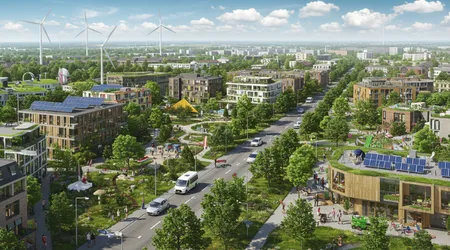
Challenges in major German cities
Big cities pulsate with life, but this generates enormous amounts of waste. Rapid consumption and limited space make it difficult to get started.
In Berlin, residents are struggling with overflowing garbage cans. High rents leave little room for composting systems.
Munich faces similar problems. Tourist influx increases packaging waste, especially during festivals. Hamburg's port logistics bring imported goods with packaging, putting a strain on recycling facilities.
A lack of infrastructure hinders progress. Zero-waste shops and repair cafés aren't available everywhere. Lack of time is another factor. Working people rarely have the leisure for conscious shopping.
See more: Zero Waste in the Office: Sustainable Solutions for the Workplace
Despite it: How to implement the zero-emission lifestyle in German citiesIt begins with small steps against these barriers.
Laws help. The EU requires 55% recycling by 2025; Germany is already exceeding that.
In 2023, Germany generated 632 kg of waste per capita, of which 681 TB were recycled. This statistic is motivating. It shows potential for further reduction.
Social inequality plays a role. Not everyone can afford expensive sustainable products.
Nevertheless, cities offer solutions. Subsidized compost bins alleviate financial barriers.
Practical tips for shopping
Shopping without packaging is revolutionizing everyday life. Look for zero-waste shops in your city.
In Berlin, there are markets like Markthalle Neun. Bring your own containers and fill them up. Plan ahead. Make a shopping list to avoid impulse buys.
Choose loose produce. Fruits and vegetables without plastic taste better and produce less waste. Use apps like "Too Good To Go". They rescue food from the trash.
For clothing: Second-hand shops in Hamburg are booming. Buy used and save resources.
How to implement the zero-emission lifestyle in German citiesThis clearly shows: through conscious choice.
See also: Composting made easy: How to make good use of organic waste
Try buying in bulk. In Munich, you can find shops that sell grain in bags. Avoid single-use plastics. Always carry a reusable water bottle.
Get involved in communities. Share tips in local forums. This not only reduces waste but also strengthens social bonds.
Sustainable mobility in a zero waste context
Mobility creates hidden waste. Car exhaust and tire abrasion pollute the environment. Switch to bicycles. Emission-free city bike sharing is booming in Berlin.
Public transport reduces individual waste. No petrol, no packaging.
Car-sharing apps help. Share vehicles and minimize resource consumption. Walking saves everything. Rediscover your city, without waste.
Electric cars recharge. They produce fewer emissions, but pay attention to battery recycling. How to implement the zero-emission lifestyle in German cities, cleverly integrates mobility.
In Hamburg, use the S-Bahn (suburban train). It provides efficient and sustainable connections. Repair your bike yourself. Workshops in cities teach you how.
Avoid flying. Trains are more environmentally friendly for domestic travel. This not only protects the planet, but also your health.
Success stories from practice
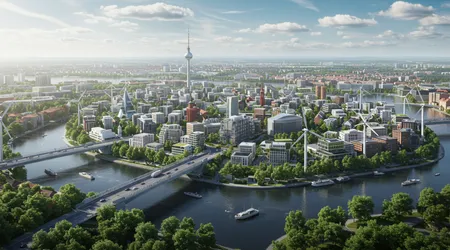
Kiel is a certified Zero Waste city. It reduces waste through local projects. Munich's candidate status is currently paused, but initiatives such as reuse systems are underway.
Berlin is involved in the RSVP project, which promotes reusable packaging.
Düsseldorf is making reuse mandatory at events. This minimizes single-use waste. The State of Zero Waste Municipalities Report 2025 highlights this progress.
How to implement the zero-emission lifestyle in German cities, learn from these models.
A prime example: Imagine Anna in Berlin. She starts her day with coffee in her own cup, buys loose bread and cycles to work – zero waste.
Another example: Max in Munich organizes clothing swap parties. Friends exchange clothes, reducing their purchases.
Hamburg plans to reduce waste at events. Food sharing minimizes leftovers.
Leipzig is aiming for candidacy. Organic waste collection is being expanded. These examples are inspiring. They prove it's feasible.
Table: Status of Zero Waste in selected German cities (based on Zero Waste Europe 2025)
| City | status | Key initiative |
|---|---|---|
| Kiel | Certified | Waste prevention at all levels |
| Munich | Candidate (on hiatus) | Promotion of reuse systems |
| Berlin | Project participant (RSVP) | Reusable packaging |
| Düsseldorf | Candidate (on hiatus) | Mandatory reuse at events |
| Leipzig | Candidate (on hiatus) | Organic waste collection |
This table shows the current status. It is based on real data from 2025.
Conclusion: Start your transformation
How to implement the zero-emission lifestyle in German citiesIt doesn't end with reading, it begins with action. Small changes add up to a big impact.
Rhetorical question: What's holding you back from taking the first step today? In 2025, cities will offer more support than ever before. Use it to reduce your footprint.
Think about the future. Your children deserve a clean world. Join communities. Share successes and learn from mistakes.
Zero waste isn't a trend, it's a mindset. It enriches your life. Motivate your friends. Together we can transform cities. Stick with it. It's worth it.
Frequent Duvidas
What exactly does Zero Waste mean?
It's about minimizing waste through conscious consumption and reuse.
How do I get started in a big city?
Start with a cloth bag and look for local zero-waste shops.
Are zero-waste products more expensive?
Initially, yes, but in the long run you save money by making fewer purchases.
Are there apps for that?
Yes, like "Zero Waste Map" or "Refill" for filling stations.
How do I measure my progress?
Keep a trash diary and compare the months.