
How to find sustainable clothing and avoid fast fashion

Advertisement
You find sustainable clothing and avoid fast fashion This idea is gaining importance in a world that is increasingly concerned with the consequences of overconsumption and environmental destruction.
The fashion industry faces a challenge: it is one of the most polluting sectors, responsible for about 10% of global CO₂ emissions, more than international flights and shipping combined (UNEP, 2023).
But change starts with us. This article shows you how to consciously choose sustainable fashion, protect the environment, and promote ethical values.
From practical tips and smart strategies to inspiring examples, here you'll learn how to design your wardrobe sustainably without compromising on style or budget.
So why continue supporting fast fashion when you can make a big difference with small steps?
Sustainability in fashion is not a trend, but a necessity. The textile industry consumes billions of liters of water annually and produces tons of waste.
Fast fashion exacerbates these problems through rapid production cycles and low prices. But there are alternatives: secondhand, slow fashion, and upcycling offer ways to reduce your ecological footprint.
This guide will help you make informed decisions, supported by real data and practical approaches. Let's change the fashion world together, one step at a time.
What is fast fashion and why is it problematic?
Fast fashion stands for quick, affordable fashion that brings trends to market in the shortest possible time. Brands like Zara and H&M produce up to 24 collections annually.
This speed comes at a price: environmental destruction, poor working conditions, and overproduction. A single T-shirt can consume 2,700 liters of water—enough to provide one person with drinking water for three years.
++Composting made easy: How to make good use of organic waste
The social consequences are equally alarming. Workers in countries like Bangladesh often earn less than €3 a day. Unfair wages and insecure jobs are the norm.
Fast fashion also increases the mountain of waste: 92 million tons of textile waste end up in landfills every year.
The environment is suffering from chemicals and microplastics. Synthetic fibers like polyester release microplastics with every wash, which pollute our oceans. Sustainable alternatives are urgently needed to break this cycle.
Strategies for finding sustainable clothing
You find sustainable clothing and avoid fast fashionby specifically looking for brands that prioritize transparency and sustainability.
Certifications like GOTS and Fairtrade guarantee environmentally friendly and fair production. Platforms like "Good On You" evaluate brands based on ethical criteria.
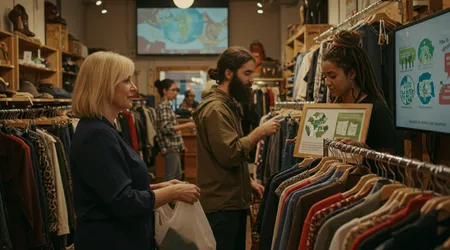
Secondhand shopping is a game changer. Stores like Oxfam and online platforms like Vinted offer high-quality, used clothing.
This way, you save resources and discover unique pieces. For example, Anna found a designer dress for €20 that would have cost €200 new.
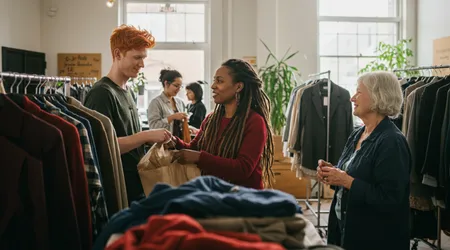
Clothing swap parties are another option. Friends get together, swap clothes, and give items a new life.
See more: 10 sustainable gift ideas for environmentally conscious people
This fosters community and reduces the need for new production. Try it out; you'll be surprised how much fun it is!
Local tailors can repair or alter clothing. A torn shirt becomes wearable again instead of being thrown away. This saves money and protects the environment. Sustainability begins with conscious choices.
Slow Fashion: Quality over Quantity
Slow fashion focuses on long-lasting, high-quality clothing instead of short-lived trends. Invest in timeless pieces that can be combined in a variety of ways, like a well-cut pair of jeans. These pieces last for years, not months.
A capsule wardrobe is ideal: 30–40 versatile pieces that can be mixed and matched. This saves space and reduces impulse purchases. For example, Lisa combined five basics into 20 outfits for one week.
See also: Zero Waste in the Office: Sustainable Solutions for the Workplace
Sustainable materials like organic cotton or linen are more environmentally friendly. Look for seals like the "Blue Angel" or "Green Button," which guarantee strict standards. This way, you support brands that take responsibility.
DIY projects like upcycling are creative and sustainable. With a little paint or sewing, an old T-shirt becomes a one-of-a-kind piece. This saves resources and makes your style unique.
The role of transparency and certificates
You find sustainable clothing and avoid fast fashion, if you value transparency. Brands that disclose their supply chains are more trustworthy. Blockchain technology helps trace origin and production.
Certifications are a guide. The GOTS seal guarantees organic materials and fair working conditions. The Fair Wear Foundation monitors labor standards. Such seals help prevent greenwashing.
Compare brands on platforms like "Siegelklarheit." They show which certificates are credible. This way, you can make informed decisions and support true sustainability.
For example, the brand "Armedangels" publishes detailed reports on its supply chains. This builds trust and demonstrates how fashion can be produced responsibly.
| certificate | Meaning | Advantages |
|---|---|---|
| GOTS | Organic materials, fair conditions | Environmental protection, social responsibility |
| Fairtrade | Fair wages, sustainable production | Supports workers, sustainable agriculture |
| Blue Angel | Environmentally friendly production | Reduces chemicals, conserves resources |
Community approaches against fast fashion
You find sustainable clothing and avoid fast fashionby becoming part of a movement. Clothing swap events promote community and sustainability. In Berlin, monthly swap parties take place where hundreds of people swap clothes.
Secondhand platforms like Vinted have millions of users. They extend the lifespan of clothing and reduce waste. In Germany, over 10 million items of clothing were sold through Vinted in 2024.
Sustainable fashion events like Fashion Revolution Week raise awareness of ethical fashion. Workshops teach upcycling techniques that transform old clothes into new favorites. Participation is worthwhile!
Local initiatives like repair cafés offer free repairs. Here, you can learn how to mend clothes and save resources. Such initiatives raise awareness of sustainability.
The power of conscious decision
Your purchasing decisions shape the fashion world. You find sustainable clothing and avoid fast fashion, if you consume consciously. Before every purchase, ask yourself: "Do I really need this?"
Repairing instead of throwing away is like giving the environment a small gift. A mended garment tells a story and saves resources. Try a sewing class!
Support local designers who produce sustainably. Their collections are often unique and long-lasting. This way, you encourage creativity and protect the environment.
Education is crucial. Read blogs and follow influencers like "Eco Warrior Princess" who promote sustainable fashion. Knowledge empowers you to make better decisions.
The path to your sustainable wardrobe
You find sustainable clothing and avoid fast fashionby rethinking your wardrobe. Start by taking stock: What do you really wear? Sort out unused items.
Invest in timeless classics. A high-quality wool coat or a pair of leather shoes will last for decades. Quality pays for itself over time through longevity.
Experiment with upcycling. Turn an old shirt into a real eye-catcher with embroidery. Online tutorials on platforms like YouTube offer simple instructions for beginners.
Share your journey on social media. Post photos of your secondhand finds or upcycling projects. This way, you'll inspire others and strengthen the sustainable fashion movement.
Conclusion: Your contribution to a better fashion world
You find sustainable clothing and avoid fast fashion, if you take small, conscious steps. Every decision counts—buying secondhand, repairing, or supporting sustainable brands.
The fashion industry is changing because people like you are taking responsibility. Imagine: Your wardrobe is like a garden; with proper care, it grows sustainably and flourishes.
Start today, get informed, swap clothes, or sew up a hole. Your decisions shape the future of fashion.
Sustainability isn't a sacrifice, but an opportunity. You save money, discover unique pieces, and make a contribution to the planet.
Become part of the movement, inspire others, and create a wardrobe that reflects your values. The journey begins now—are you ready?
Frequently Asked Questions (FAQ)
1. How do I recognize sustainable clothing?
Look for certificates such as GOTS, Fairtrade or Blue Angel and check the transparency of the brand.
2. Is secondhand shopping really sustainable?
Yes, it extends the lifespan of clothing and reduces the demand for new production.
3. What can I do with old clothes?
Repair, upcycle, swap, or donate them to local initiatives that reuse textiles.
4. Are sustainable brands always expensive?
Not necessarily. Secondhand, clothing swaps, or durable basics are often cheaper than constantly buying new fast fashion.
5. How do I avoid greenwashing?
Research the supply chain, check certificates and trust platforms like “Good On You” or “Siegelklarheit”.