
Zero Waste in the Office: Sustainable Solutions for the Workplace
Advertisement
Zero Waste in the Office is more than a trend – it is a movement that combines responsibility and creativity.
In a world that demands sustainable solutions, the zero-waste lifestyle in the workplace is gaining relevance.
Offices are places where resources are consumed daily: paper, plastic, energy. But how can we minimize this consumption while simultaneously increasing efficiency?
This article shows how companies and employees can reduce waste and create a sustainable work culture through innovative approaches.
Using practical examples, a fresh perspective and current data, we illuminate how Zero Waste in the Office shaping the future. So why not take the first step now?
The idea of avoiding waste may seem complex at first, but small changes can have a big impact.
From digital workflows to reusable materials, the possibilities are manifold.
According to a study by the German Environmental Aid Association (2023), offices in Germany generate approximately 1.2 million tons of waste annually, to which single-use plastics and paper contribute significantly.
This article offers concrete strategies to reduce this footprint and shows how companies can strengthen not only the environment but also their reputation through sustainable measures.
Understanding the basics of zero waste in the office
Zero waste means avoiding waste before it is created. In the office, this starts with conscious consumption and smart choices.
Instead of using disposable products, reusable alternatives can make a difference. For example, a bamboo coffee cup instead of plastic cups saves hundreds of disposable cups per person every year.
++ 10 sustainable gift ideas for environmentally conscious people
Sustainability in the office requires planning. An inventory reveals where waste is generated: printer paper, packaging, food scraps.
This analysis is the first step towards change. A Berlin startup has reduced its paper consumption by 60 % using this method.
Involving employees is crucial. Workshops on Zero Waste in the Office They promote awareness and motivate creative solutions. Shared goals strengthen team spirit and sustainability.
Practical steps for less waste in everyday office life
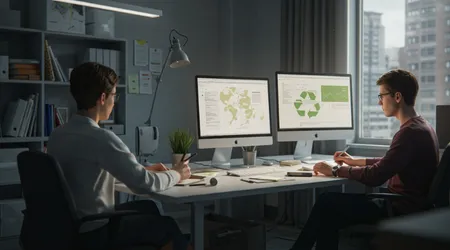
Digitalization is key to Zero Waste in the OfficeCloud-based documents drastically reduce paper consumption. Tools like Notion or Google Drive effectively replace physical notes.
Reusable office supplies are a must. Pens made from recycled materials or refillable ink cartridges conserve resources. A Munich-based publishing house uses such pens and saves €500 annually.
Office kitchens offer potential. Reusable containers for lunch or plastic-free soaps reduce waste. A Frankfurt office introduced reusable boxes and halved its plastic waste.
See more: How to achieve zero waste on a small budget
Sustainable office equipment: Quality over quantity
Furniture made from recycled wood or second-hand office chairs are durable and environmentally friendly. Quality trumps short-lived, cheap products. A Hamburg-based company equipped its office this way and is saving costs in the long run.
Energy efficiency plays a role. LED lamps and smart thermostats reduce consumption. According to the German Federal Environment Agency (2024), LED lamps save up to 80% energy compared to conventional incandescent bulbs.
See also: Zero Waste for Children: Teaching Sustainability in a Playful Way
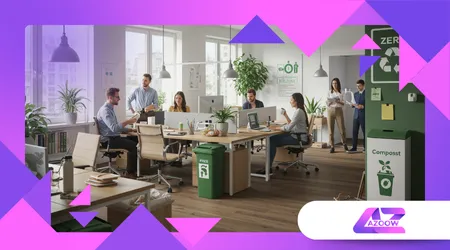
A well-planned waste management system is essential. Separation systems for paper, plastic, and organic waste promote recycling. Clear labeling makes it easier for employees to dispose of waste correctly.
The role of corporate culture in the zero-waste movement
A sustainable culture begins with leadership. Role models inspire: When bosses use reusable bottles, employees follow suit. A Cologne-based tech company introduced "zero-waste days" with noticeable success.
Training courses raise awareness. Interactive formats, such as waste workshops, make sustainability tangible. For example, a Dresden office rewarded creative zero-waste ideas with prizes.
Communication is crucial. Regular updates on progress, such as reduced waste volumes, motivate the team. Transparency builds trust and strengthens team spirit. Zero Waste in the Office-Philosophy.
Technology as the key to zero waste
Digital tools like Trello or Slack minimize paperwork. Virtual meetings reduce travel waste such as single-use packaging. A Stuttgart-based company saves tons of CO₂ annually this way.
Energy-efficient devices are essential. Monitors with energy-saving mode or printers with eco-settings conserve resources. A Viennese office reduced its electricity consumption by 30 kWh.
AI can help analyze waste streams. Software like WasteHero optimizes recycling processes. Such tools make Zero Waste in the Office measurable and effective.
Financial and environmental benefits of zero waste
Less waste reduces disposal costs. A medium-sized company in Leipzig reduced its waste disposal fees by 25% through zero-waste measures. Sustainability therefore saves money.
Customers value sustainable companies. A Statista survey (2025) shows that 78% of consumers prefer environmentally conscious brands. Zero waste strengthens the brand.
In the long term, zero waste conserves resources. Less consumption means less raw material extraction. This protects the environment and secures future generations.
Challenges and how to overcome them
Resistance within the team is normal. Some employees see zero waste as an effort. Clear communication and small incentives quickly change this attitude.
The cost of sustainable materials can be daunting. However, long-term savings outweigh the initial investment. For example, reusable cups pay for themselves within a year.
Lack of time is a hurdle. Automated processes, such as digital ordering for sustainable products, provide relief. A Berlin office is successfully using such systems.
Inspiration through real-life examples
A Munich-based startup implemented a "no-print" policy. The result: 90% less paper consumption. Employees use tablets for taking notes, saving time and money.
A Frankfurt office café offers plastic-free snacks. Employees bring their own containers. This reduced single-use plastic by 70% in six months.
Let's compare an office to a household: Just like in the kitchen, small changes in the office can have a big impact. So why hesitate?
Table: Waste sources in the office and zero-waste solutions
| Waste source | Solution | Advantage |
|---|---|---|
| Disposable cups | Reusable bamboo cups | Saves 200 cups per person/year |
| printer paper | Digital documents | Reduces paper by up to 60% % |
| Plastic packaging | Reusable lunch boxes | Halves plastic waste |
| Disposable pens | Refillable pens | Saves 500 euros annually |
Conclusion: A step towards the future
Zero Waste in the Office It is not a luxury, but a necessity. It combines ecological responsibility with economic benefit. Companies that act today shape the world tomorrow.
From digital workflows and sustainable furniture to a conscious corporate culture, the possibilities are diverse.
Every step counts, and the sum of small changes leads to great success. The question is not whether we need to change, but how quickly we do it.
Zero Waste in the Office This is the path to a sustainable, future-proof working world. Start protecting the environment now and your team will thank you.
Frequently Asked Questions (FAQ)
1. What exactly does zero waste mean in the office?
Zero Waste in the office aims to minimize waste through reuse, recycling and conscious consumption in order to conserve resources.
2. How do I convince my team of the benefits of zero waste?
The team can be motivated through training, transparent communication, and small incentives such as bonuses for sustainable ideas.
3. Are zero-waste measures expensive?
Initial costs for sustainable materials are often quickly recouped through reduced disposal fees and long-term savings.
4. What role does technology play in zero waste?
Digital tools such as cloud software and energy-efficient devices reduce paper and energy consumption and optimize waste management.