
Fair fashion for the small budget: Affordable and sustainable
Advertisement
Fair fashion for a small budget It is more than a trend, it is a movement that combines style, ethics and budget.
In a world where fast fashion pollutes the environment and working conditions are often questionable, more and more people are looking for alternatives that are sustainable and affordable.
But how can you stay fashionable without breaking the bank or damaging the planet?
This article delves deep into the world of fair fashion, showing practical tips, real-world examples and current developments to make sustainable clothing accessible to everyone.
We explore how conscious consumption, clever strategies and innovative brands make it possible to combine style and responsibility without compromise.
Sustainability in the fashion industry gained momentum in 2025, driven by growing environmental awareness and social responsibility.
The EU textile strategy aims to make the textile sector circular and environmentally friendly by 2030. But for many, the question remains: Is fair fashion really affordable?
Here we show how Fair fashion for a small budget It is not only possible, but also inspiring.
From secondhand treasures to affordable, certified brands, this guide offers concrete solutions for shopping sustainably without breaking the bank.
Why fair fashion should be affordable for everyone
The fashion industry faces a challenge: it causes approximately 8–10 % of global greenhouse gas emissions (UN Alliance for Sustainable Fashion).
Nevertheless, fast fashion remains enticingly cheap. Fair fashion focuses on quality rather than quantity, which saves money in the long run. Fair fashion for a small budget This means consciously choosing products that are durable and ethically produced.
++ DIY Upcycling: Make old things new – creative ideas for old clothes
Many people believe that sustainable fashion is a luxury. But brands like Mela or ThokkThokk prove the opposite with affordable, GOTS-certified basics.
Through transparent supply chains and fair working conditions, they offer quality at fair prices. This makes sustainability accessible to everyone.
For example, Lisa, a student from Berlin, discovered a GOTS-certified T-shirt at Mela for 25 euros. It lasts longer than cheaper alternatives and supports fair wages. Purchases like these show that quality doesn't have to be expensive.
Strategies for budget-friendly fair fashion
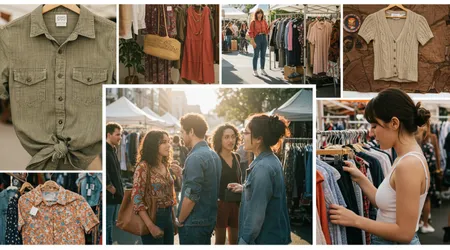
Secondhand shopping is a key to Fair fashion for a small budgetPlatforms like Vinted or local flea markets offer high-quality clothing at fractions of the original price.
Vintage shops in cities like Hamburg or Vienna are treasure troves of unique pieces.
Clothing swap parties are another smart option. Friends or local initiatives organize events where clothes can be exchanged for free and sustainably. This way, you can refresh your wardrobe without spending a penny.
See more: Fair Sportswear: Sustainable Clothing for Fitness and Leisure
Upcycling is a creative approach. An old pair of jeans becomes a bag, a T-shirt a dress. Tutorials on platforms like YouTube offer simple instructions for beginners. This saves money and promotes individuality.
Certified brands that save you money
Brands like Armedangels or Recolution show that Fair fashion for a small budget It's possible. Armedangels offers jeans from €69, which are fairly produced in Europe. Their timeless designs outlast trends.
Mela, another example, combines Fairtrade and GOTS certifications with prices starting from 20 euros for T-shirts.
See also: Greenwashing in the fashion industry: How to recognize it
Production in India is regularly inspected to ensure fair conditions. Brands like these make sustainability affordable.
| brand | product | Price (approx.) | Certifications |
|---|---|---|---|
| Mela | T-shirt | 20–30 € | GOTS, Fairtrade, Green Button |
| Armedangels | jeans | €69–120 | GOTS, Fair Wear Foundation |
| ThokkThokk | Hoodie | 50–80 € | GOTS, Fairtrade |
| Recovery | sweater | 60–90 € | GOTS, Vegan |
This table shows how affordable certified fashion can be. Such brands offer quality that pays off.
The power of small decisions
Every purchase is like a drop in the ocean, but together they change the world. Fair fashion for a small budget It starts with conscious decisions. Buying less, but choosing durable pieces, is the key.
Repairs extend the lifespan of clothing. A tailor can replace a broken zipper for 10 euros instead of buying a new garment. This saves resources and money.
Platforms like Räubersachen offer clothing for rent, ideal for special occasions. This allows you to wear high-quality fashion without owning it. These models promote sustainability without high costs.
Secondhand and vintage: Sustainability with character
Secondhand shops are a paradise for bargain hunters. In Vienna, for example, Neustiftgasse offers vintage gems for 5–20 euros. Such finds are unique and environmentally friendly.
Online platforms like Mädchenflohmarkt make it possible to buy brand-name clothing at low prices. A used designer sweater often costs only 30 euros instead of 100 euros. This saves money and is better for the environment.
For example, Max from Munich found a barely worn Armedangels jacket on Vinted for 40 euros. It would have cost 120 euros new. Secondhand makes Fair fashion for a small budget real.
Sustainable materials and their advantages
Organic cotton, Tencel, and recycled fabrics are at the heart of fair fashion. They reduce water consumption and avoid toxic chemicals. Organic cotton saves up to 91 liters of water compared to conventional cotton.
Brands like Lanius use Tencel, a wood-based fabric that is biodegradable. Such materials are skin-friendly and durable, ideal for conscious consumers.
Vegan fashion, like that from Bleed, avoids animal-derived materials. A vegan sweater often costs only 50 euros and is just as stylish as conventional alternatives.
The role of certificates and transparency
Certifications such as GOTS or Fairtrade are guideposts for Fair fashion for a small budgetThey guarantee fair wages and environmentally friendly production. The Siegelklarheit portal evaluates such seals for credibility.
Transparency is crucial. Brands like Mela publish detailed reports about their supply chains. This way, you know where the clothing comes from and under what conditions it was produced.
Consumers can use apps like Good On You to check brands for sustainability. This helps them make informed decisions without having to delve into in-depth research.
Community and creativity promote sustainability
Clothing swap events foster community and save money. In Berlin, initiatives like Fashion Revolution regularly organize such events. People exchange clothes and make new connections.
DIY projects make fashion personal. Anna from Cologne sewed a blanket from old T-shirts. Such projects are inexpensive and give clothes a second life.
Local tailors support the community. Repairing a torn dress for 15 euros is more sustainable than buying a new one for 20 euros.
Current trends and innovations in fair fashion
By 2025, brands like Reformation will focus on climate-positive production. They will use renewable energy and offer clothing starting at €50. Innovations such as biodegradable fabrics will become increasingly important.
Start-ups like Unown offer clothing rentals. For 20 euros a month, you can wear high-quality outfits without buying them. It's sustainable and affordable.
The EU textile strategy promotes a circular economy. From 2025, separate textile collection will be mandatory, which will facilitate recycling and reuse. This will make fair fashion more accessible.
How consumers can change the fashion industry
Every purchase is a vote for a better world. By Fair fashion for a small budget By choosing this option, you support sustainable brands and fairer working conditions.
Initiatives like Fashion Revolution encourage consumers to ask questions: Who made my clothes? Such questions force brands to be transparent and change.
A well-planned wardrobe saves money in the long run. Fewer, but higher-quality pieces reduce the need for new purchases and promote a sustainable lifestyle.
Conclusion: Fair fashion for everyone
Fair fashion for a small budget It's not a utopia, but reality. Secondhand shopping, upcycling, clothing swaps, and affordable brands make sustainability accessible.
The fashion industry is changing, driven by conscious consumers and strict regulations such as the EU Textile Strategy.
Everyone can be part of this movement by making small, smart choices. So why not start today?
A conscious wardrobe is not only good for the planet, but also for your wallet. Join us and help shape the future of fashion in a sustainable, fair, and stylish way.
Frequently Asked Questions (FAQs)
1. What exactly is Fair Fashion?
Fair fashion includes clothing that is produced under fair working conditions and with environmentally friendly materials, often with certifications such as GOTS or Fairtrade.
2. Is sustainable fashion really affordable?
Yes, through secondhand shopping, clothes swapping or brands like Mela (T-shirts from €20) Fair fashion for a small budget possible.
3. How can I recognize fair trade clothing?
Look for certifications such as GOTS, Fairtrade or the Green Button and check the brand's transparency using apps like Good On You.
4. Can I completely avoid fast fashion?
Yes, through conscious consumption, secondhand shopping and repairs you can reduce fast fashion and promote sustainable alternatives.
5. How do I get started with fair fashion?
Start with basics from brands like Armedangels, swap clothes, or buy secondhand. Small steps make a big difference.
Sources: