
Greenwashing in the fashion industry: How to recognize it

Advertisement
Greenwashing in the fashion industry This is an issue that will demand more attention than ever in 2025.
In a world that celebrates sustainable consumption, many fashion companies use eco-friendly promises to attract customers, often without substance.
But how do you distinguish genuine sustainability from mere facade? This article reveals the tricks of greenwashing, provides practical tips for identification, and shows you how to shop consciously.
With growing environmental awareness and new EU regulations, transparency is becoming key. Let's take off the fashion industry's green mask!
The fashion industry faces a challenge: it is responsible for approximately 10 million tons of global CO₂ emissions. Consumers are demanding change, but many brands are responding with misleading claims.
Greenwashing in the fashion industry It deceives with vague promises like "eco-friendly" or "sustainable." This guide provides you with tools to recognize genuine sustainability and expose greenwashing.
With practical examples, a clear table, and a fresh perspective, we'll delve deep into the subject. Are you ready to discover the truth behind the green labels?
What exactly is greenwashing?
Greenwashing in the fashion industry This describes when companies market their products as sustainable without concrete evidence. It's a marketing trick that abuses trust.
The term originated in 1986 with Jay Westerveld, who criticized hotels that marketed towel reuse as environmental protection.
In the fashion industry, brands use similar tactics to create a green image. According to a study by the Changing Markets Foundation (2022), 60% of the environmental claims made by major fashion brands were misleading. This highlights the urgent need for vigilance.
Often, empty promises are hidden behind terms like "eco" or "conscious." Fast-fashion giants like H&M or Zara launch "sustainable" collections that make up only a fraction of their product range.
This tactic distracts from environmentally damaging practices. Consumers are deceived while the industry continues to overproduce. A critical look at the supply chain is essential.
++ Fair Sportswear: Sustainable Clothing for Fitness and Leisure
Greenwashing in the fashion industry It's like a wolf in sheep's clothing; it seems harmless, but the truth is more complex.
Another problem is emotional manipulation. Brands use green colors or nature imagery to suggest sustainability. Such visual tricks influence us subconsciously.
For example, a fast-fashion label advertises a "green collection" made with recycled polyester, but conceals the fact that child labor is used in its production. Such half-truths are dangerous.
They feign responsibility while their ecological footprint grows. Do your research before you buy!
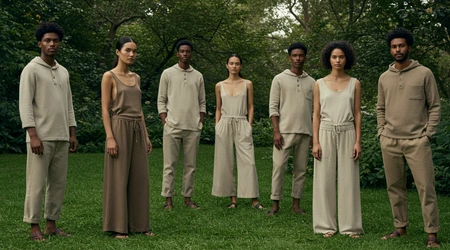
Common greenwashing tactics
Vague terms like "environmentally friendly" without evidence are a classic of Greenwashing in the fashion industryThey sound positive, but remain non-committal.
Brands like Shein use such buzzwords without providing transparent data. Without certifications like GOTS (Global Organic Textile Standard), such claims are often just empty promises.
Consumers should take a closer look. Ask yourself: What evidence does the brand provide? Transparency is key to exposing deception.
Another tactic is misleading labels. Some companies invent their own "eco-labels" that cannot withstand independent scrutiny. For example, one label advertises "sustainable cotton," but only 5% of the product is organic.
See more: How to style your outfit sustainably
The Greenpeace seal of approval guide helps to identify reputable certifications. Such self-created labels are a red flag. Greenwashing in the fashion industry They use this tactic to gain trust. Always check the origin of seals!
Recycling programs are another popular tactic. H&M's "Close the Loop" campaign promised to recycle 98% of the collected clothing. However, geo-tracking revealed that many textiles ended up in distant countries instead of being recycled. Such initiatives often only encourage consumption.
They suggest responsibility while overproduction continues. Greenwashing in the fashion industry They use such programs to ease customers' consciences. Ask questions before you believe!
How do you recognize true sustainability?
True sustainability begins with transparency. Brands like Patagonia publish detailed supply chain information, while greenwashers remain vague. Look for concrete figures, such as CO₂ reduction or material origin.
Reputable brands state facts, not platitudes. Greenwashing in the fashion industry avoids clear data. For example: ArmedAngels states that it uses 70 GOTS-certified fabrics.
Verify such information on the website or through independent sources.
Certifications are another indicator. GOTS, Fair Trade, or Bluesign guarantee strict standards. Caution is advised without such seals.
See also: Sustainable jeans brands in comparison
A fictional example: The brand “EcoTrend” advertises “organic” without a certificate – a clear indication of greenwashing. Greenwashing in the fashion industry loves vague promises.
Consumers should seek out independent reviews. Platforms like Good On You objectively evaluate brands. Use them to gain clarity!
The business model also provides insight. Made-to-order brands like Sumissura only produce to order, which minimizes overproduction. Fast fashion, on the other hand, focuses on mass production.
Compare the production methods: Is it demand-oriented or geared towards overproduction? True sustainability is evident throughout the entire value chain.
Greenwashing in the fashion industry It often disguises itself through small "green" collections. Question the brand's overall image before you buy!
The influence of consumers:
Your purchasing decisions have power. Every vote against Greenwashing in the fashion industry So why not choose consciously?
Movements like #WhoMadeMyClothes are forcing brands to hold accountable. Consumers can exert pressure by demanding transparency.
Write to brands directly or use social media. For example, a Twitter campaign forced Zalando to remove misleading "sustainability filters" in 2025. Your influence drives change!
Buy less, choose better – this principle is changing the industry. Second-hand platforms like Vinted or local vintage shops offer alternatives.
This is how you reduce the need for fast fashion. Sustainable brands like Veja are growing because consumers are demanding quality.
Greenwashing in the fashion industry We thrive on mindless consumption. Choose durable clothing and support ethical brands. Your wallet is your voice!
Education also plays a role. Share your knowledge about greenwashing with others. Recommend transparent brands or organize clothing swap events. Such actions raise awareness and reduce overconsumption.
A local example: In Berlin, “Swap & Shop” organized swap meets in 2025, making fast fashion obsolete. Together we can Greenwashing in the fashion industry expose.
Become part of the movement and make a difference!
New regulations and the way forward

The EU is intensifying its fight against greenwashing in 2025. The Green Claims Directive will force companies to substantiate their sustainability claims. Vague terms without evidence will be penalized.
The Digital Product Passport makes it possible to trace the origin of every garment. Such measures increase transparency.
Brands must deliver, or they will lose trust. Consumers benefit from clear information and can make informed decisions.
But regulations alone are not enough. Companies need to change their business models. Circular fashion, such as upcycling or rental models, is gaining in importance. Brands like "Kleiderei" offer clothing for rent, which saves resources.
Consumers can support this change by choosing sustainable alternatives. Moving forward requires collaboration between policymakers, industry, and consumers. Only then will the fashion industry truly become green.
Innovations also play a role. New materials such as mushroom leather or recycled fishing nets reduce environmental damage. Brands like Stella McCartney are focusing on such alternatives.
But beware: Not every "innovative" material is sustainable if its production remains questionable. Examine the entire supply chain.
Progress lies in honest communication and concrete measures that go beyond mere marketing tricks.
Table: Greenwashing vs. genuine sustainability
| criterion | Greenwashing | True sustainability |
|---|---|---|
| terms | Vague, like "eco" or "sustainable" | Specifically, with evidence and certificates. |
| Certificates | Own, unverified seals | GOTS, Fair Trade, Bluesign |
| transparency | Little to no supply chain information | Detailed information on origin |
| production | Overproduction, fast fashion | Made-to-order, circular models |
| Example | H&M “Conscious” with 5 % organic cotton | Patagonia with 100% recycled polyester |
Conclusion: Your path to sustainable fashion
Greenwashing in the fashion industry It's a challenge, but you have the power to effect change. With a critical eye and targeted questions, you can expose deceptions.
Check certificates, question terms, and support transparent brands. The fashion industry is changing, driven by consumers and new regulations.
Choose quality over quantity, support secondhand shops, and share your knowledge. Imagine the fashion industry as a garden: greenwashing is like weeds choking the real plants. Pull it out by consuming consciously!
The path to sustainable fashion is not a one-way street. Every purchase, every question to a company counts. Use platforms like Good On You to rate brands.
Support initiatives like #PayUp that demand fair working conditions. Your choices shape the future of fashion.
Let's work together to ensure that sustainability doesn't remain a marketing gimmick, but becomes the norm. Become part of the change – the world needs your commitment!
Frequently Asked Questions (FAQ)
What is the difference between greenwashing and genuine sustainability?
Greenwashing deceives with vague terms, while true sustainability offers transparency and certifications like GOTS.
How do I find sustainable brands?
Look for certificates, check supply chains on the website, and use platforms like Good On You.
Are recycling programs always sustainable?
No, many only promote consumption. Check if the brand actually recycles, as in H&M's exposed campaign.
What role do consumers play?
Your purchasing decisions and questions to brands force them to be transparent and promote real change.
Are there any legal measures against greenwashing?
Yes, the EU Green Claims Directive (2025) requires evidence for sustainability claims and penalizes misleading claims.
Sources: Changing Markets Foundation (2022), Greenpeace Label Guide, EU Green Claims Directive (2025).