
How to achieve zero waste on a small budget

Advertisement
Zero waste on a small budget Sustainability is not a contradiction. It often seems expensive, but with clever strategies you can avoid waste without straining your bank account.
The zero-waste movement, which was founded by Bea Johnson with her book Zero Waste Home Its popularity demonstrates that less waste means a higher quality of life.
In a world where 1.5 kg of waste is generated per person daily in Austria, conscious consumption is urgently needed.
You can achieve this goal even with little money by choosing smart alternatives and questioning habits.
Imagine your everyday life as a minimalist dance: every step counts, without waste. This article guides you through practical, budget-friendly tips to... Zero waste on a small budget to live.
From shopping planning to DIY projects, here you'll find approaches that are inspiring and feasible.
Ready to shrink your ecological footprint without emptying your wallet? Let's get started.
Shop with care: Less waste, more savings
A well-thought-out purchasing strategy is the key to... Zero waste on a small budgetPlan meals and create shopping lists to avoid impulse purchases.
Farmers' markets often offer unpackaged fruit and vegetables at lower prices than supermarkets. Bringing your own reusable shopping bags will save you packaging waste and money.
++ Sustainable alternatives to aluminum foil and cling film
Zero-waste shops are ideal, but more expensive. Use them for long-lasting supplies like rice or lentils, which are cheaper in bulk.
Apps like Too Good To Go save food from being thrown away. This way you can buy high-quality products for a fraction of the price.
Compare prices at discount stores: Aldi or Lidl often accept your own containers for baked goods, which reduces waste and costs.

Reuse instead of throwing away: Creative alternatives
Zero waste on a small budget It thrives on reuse. Second-hand purchases or upcycling extend the lifespan of products and conserve resources.
Swap parties with friends are free and fun. This way you can find new clothes or decorations without spending a penny.
Platforms like eBay Classifieds offer used furniture or kitchen utensils. A wooden chopping board for 5 euros? A zero-waste bargain!
Old glass jars are perfect as storage containers. Jam jars cost nothing and replace expensive plastic containers.
See more: Zero Waste Christmas: Gifts, decorations and celebrations without waste
Repair instead of throwing away: A torn shirt can be turned into a shopping bag with a few stitches. YouTube tutorials make it easy.
Example: Lisa sewed fabric bags from old curtains and saved 20 euros on shopping bags. Creativity pays off!
Do it yourself: DIY for your wallet
Homemade products are inexpensive and produce no waste. Zero waste on a small budget This can be achieved through DIY projects such as soaps or cleaning products.
A bar of soap costs about €1 and replaces shower gel, shampoo, and laundry detergent. A multi-talented product for minimalists!
You can mix cleaning products for under €2 using vinegar, baking soda, and citric acid. Recipes can be found on blogs like... Simply Zero.
Homemade deodorant made from coconut oil and baking soda costs 50 cents a month. Compare that to 5 euros for a drugstore product!
Preserving seasonal fruit saves money and reduces waste. A jar of homemade jam costs you only €1.
Example: Tom made spiced chips from stale bread. Result? A free snack and no food waste.
Saving food: Smart ways to use leftovers
Avoiding food waste is crucial for Zero waste on a small budgetUsing leftovers creatively saves money and reduces waste.
You can make free broth from vegetable peels. Carrot tops become pesto simply by blending them with oil and nuts.
Leftover bread becomes croutons. A recipe? Dice the bread, fry it, season it, and you're done!
Apps like Foodsharing connect you with neighbors who share surplus food. It's free and sustainable.
Compost organic waste. A small balcony composter costs 30 euros and fertilizes your plants for free.
Seasonal foods are cheaper and often unpackaged. In autumn, you can find apples for €1 per kilo at the market.
Live a minimalist lifestyle: Buy less, save more
A minimalist lifestyle supports Zero waste on a small budgetLess consumption means less waste and more financial freedom.
Before every purchase, ask yourself: Do I really need this? An "in & out" list helps to buy only what is necessary.
Avoid promotional gifts like pens or flyers. They often end up in the trash and waste your time sorting through them.
Borrowing instead of buying: Books from libraries or tools from neighbors save money and space.
A capsule wardrobe concept with 30 items of clothing reduces expenses. Second-hand shops make it budget-friendly.
Analogy: Your household is like a garden; the less weeds (rubbish), the more the important plants (savings) bloom.
Establishing sustainable habits in everyday life
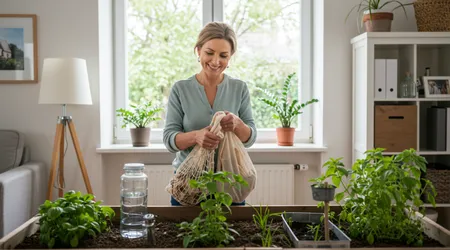
Long-term changes make Zero waste on a small budget It becomes routine. Small steps lead to big results without financial pressure.
Always carry a reusable water bottle with you. Tap water is cheaper than bottled mineral water and reduces plastic waste.
Use beeswax wraps instead of cling film. Homemade from old fabric and beeswax, they only cost 2 euros.
Avoid disposable coffee cups. A reusable travel mug for 10 euros pays for itself after a month of using coffee to go.
Opt for digital notes or recycled paper. Writing on both sides saves resources and money.
Start with one room, such as the kitchen, and gradually replace disposable products with reusable alternatives.
Benefiting from community: Stronger together
Zero waste on a small budget It becomes easier through community. Collaboration saves costs and promotes the exchange of sustainable ideas.
Join local zero-waste groups on platforms like Facebook. Members share tips and free resources there.
Organize clean-up events in your neighborhood. They cost nothing and raise awareness about waste prevention.
Swap seeds or seedlings with fellow gardeners. A head of lettuce from your own garden only costs you time.
Buying together with friends reduces costs. Bulk packages of unpackaged goods are often cheaper per kilo.
Attend free workshops at zero-waste shops or adult education centers. They offer practical tips for beginners.
Table: Budget-friendly zero-waste alternatives
| product | One-way costs (per month) | Reusable alternative | Costs (one-time) | Savings after 6 months |
|---|---|---|---|---|
| plastic bags | 5 € | fabric bag | 2 € | 28 € |
| Disposable coffee cups | 15 € | Thermos mug | 10 € | 80 € |
| cling film | 3 € | Waxed cloths | 5 € | 13 € |
| shower gel | 4 € | Castile soap | 1 € | 18 € |
Conclusion: Small steps, big impact
Zero waste on a small budget is not a distant dream, but a feasible reality.
Every conscious step, be it a homemade cleaning product, a second-hand find, or a composted apple core, adds up to a more sustainable world.
According to a 2023 study, zero-waste practices can save up to 20 million euros in household spending by reducing unnecessary consumption. So why not start today?
Your wallet and the planet will thank you. Share your experiences in the comments – what tips do you have for… Zero waste on a small budget?
Together we can advance the movement and show that sustainability is affordable for everyone. Your next purchase could be the start of a zero-waste life.
Frequently Asked Questions (FAQ)
Is zero waste really cheaper?
Yes, by consuming less, reusing and DIYing, you save money in the long run, e.g. by using bar soap instead of shower gel.
Where can I find zero-waste shops?
Search online for maps like the ones from Utopia.de or ask in local zero-waste groups for shops near you.
How do I get started as a beginner?
Start with one area, e.g., shopping bags, and expand gradually. Small changes like composting make a big difference.
Aren't zero-waste shops expensive?
They may be more expensive, but for supplies like lentils, the investment is worthwhile. Combine them with discount stores for affordable basics.
Can I implement zero waste with children?
Absolutely! Swap disposable snack bags for lunchboxes, get creative with leftovers, and involve children in DIY projects like making jam.