
Sustainable alternatives to aluminum foil and cling film

Advertisement
Sustainable alternatives to aluminum foil and cling film are the key to an environmentally conscious household in 2025.
In a world that demands sustainable solutions, single-use products such as aluminum and plastic films are increasingly coming under criticism.
Their production consumes resources, and their recycling is often inefficient. But how can we keep food fresh without harming the planet?
This article presents smart, practical solutions that reduce waste and promote sustainability.
With creative approaches and real alternatives, we inspire you to live the zero-waste lifestyle.
The urgency is clear: According to a study by the environmental organization Greenpeace (2023), millions of tons of plastic films end up in incineration plants every year, releasing climate-damaging CO₂.
Aluminum foil is an additional burden due to its energy-intensive manufacturing process. But there is hope.
From reusable beeswax wraps to innovative materials, we offer sustainable alternatives to aluminum foil and cling film Practical ways to make everyday life more environmentally friendly.
Let's find out together how you can achieve great things with small steps.
Why aluminum foil and cling film are problematic
Aluminum foil seems practical, but its environmental impact is disastrous. Its production from bauxite consumes enormous amounts of energy and destroys ecosystems through open-pit mining.
Aluminum ions, which can be harmful to health, are released when it comes into contact with acidic or salty foods. Recycling? Only possible to a limited extent, and often inefficient.
Cling film, mostly made from petroleum-based polyethylene, is hardly biodegradable. Its production consumes fossil resources and promotes microplastics in the environment.
++ Zero Waste Christmas: Gifts, decorations and celebrations without waste
Both often end up in the trash after a single use. Pure single-use culture – but are there really no better options? Sustainable alternatives to aluminum foil and cling film conserve resources.
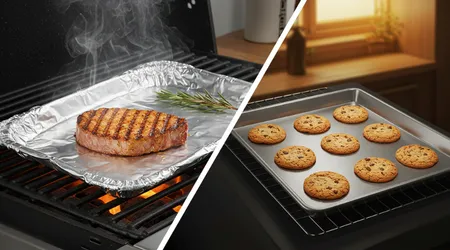
For example, aluminum foil is often used for grilling, even though stainless steel grill trays are just as effective. So why not rethink things?
Beeswax wraps: The flexible all-round solution
Beeswax wraps are a star among the sustainable alternatives to aluminum foil and cling filmThey are made of cotton coated with beeswax.
Reusable, washable, and biodegradable, they fit perfectly around bowls or loaves of bread. With cold hand washing, they last up to two years.
Be careful with raw meat or fish: For hygienic reasons, they are unsuitable here. But for vegetables or cheese? Absolutely perfect!
A practical example: Wrap your sandwich in a beeswax wrap – it stays fresh, and you save on plastic waste every day. Sustainability made easy!
For vegans, there are alternatives with plant-based wax, such as soy wax. This makes the solution suitable for every lifestyle. So why hesitate?
See more: Why Zero Waste is more than just waste prevention
Glass and stainless steel containers: Durable and robust
Glass containers with lids are ideal sustainable alternatives to aluminum foil and cling filmThey are airtight, odorless, and dishwasher safe.
Stainless steel boxes are perfect for on the go. Robust, leak-proof and plastic-free – ideal for school lunches or office meals.
Both options are durable and recyclable. No waste, no pollutants. They effortlessly replace foil for freezing or storage.
SSee also: Zero Waste Kitchen: How to Avoid Food Waste
Imagine: Leftovers from dinner in a glass container in the refrigerator, stackable and easy to see. It doesn't get much more practical than that!
One drawback? They're heavier than plastic wrap. But for home use or lunchboxes, the advantages far outweigh the disadvantages. Give them a try!
Silicone lids: The modern answer to disposable films
Elastic silicone lids fit bowls of any size and are heat-resistant, perfect for microwave or oven use. Reusable and durable.
Unlike cling film, they are dishwasher-safe and BPA-free. They reduce waste and guarantee an airtight seal.
One scenario: Place a silicone lid over a melon – it stays fresh, without plastic. Simple, efficient, sustainable.
Criticism: Silicone is not biodegradable. However, its durability makes it one of the sustainable alternatives to aluminum foil and cling film.
Tip: Choose high-quality, certified products to avoid harmful substances. This way you combine practicality with environmental awareness.
Compostable cling film: The plastic-free future
Compostable cling film, such as that from DirektNatur, is made from chemical-free cellulose. It is 100% biodegradable and plastic-free.
When moistened, it clings to containers, much like cling film. After use, it goes in the compost – zero waste!
It's suitable for bread, vegetables, or cheese, but not for fatty foods. Nevertheless, it's an ingenious solution!
Example: Wrap fruit in cling film. It stays fresh, and you promote humus formation in your garden. Win-win!
This innovation demonstrates: Sustainable alternatives to aluminum foil and cling film can combine traditional methods with modern environmental awareness.
Practical tips for everyday life
Using an upside-down plate as a lid for bowls saves on cling film. Simple, ingenious, and always handy in every kitchen.
Reusable fabric bread bags replace plastic wrap for baked goods. Breathable, washable, and stylish – perfect for zero waste.
When grilling? Use cast iron pans instead of aluminum foil. They are durable and prevent harmful substances like benzopyrene.
Ask yourself: Why use foil when everyday objects are just as effective? Sustainable alternatives to aluminum foil and cling film are often already there!
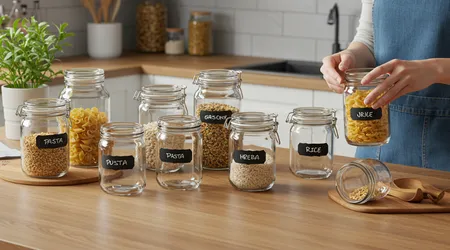
Tip: Save empty jam jars. They are perfect for storing leftovers or dry goods – free and sustainable.
Comparing the alternatives: Which one suits you best?
| alternative | Advantages | Disadvantages | Price (approx.) |
|---|---|---|---|
| beeswax wraps | Reusable, biodegradable | Not suitable for raw meat | 10–20 € (set) |
| Glass/stainless steel container | Durable, recyclable, odorless | Heavier, more expensive | 15–50 € |
| Silicone lid | Elastic, heat-resistant, dishwasher-safe | Not biodegradable | €8–25 (set) |
| Compostable paper | 100 % biodegradable, plastic-free | Not suitable for fatty foods | 5–15 € (pack) |
The bigger picture: A step towards zero waste
Every decision counts. Sustainable alternatives to aluminum foil and cling film are more than a trend, they are a statement.
Imagine your household as a well-functioning ecosystem where nothing is wasted. Every can, every cloth plays a role.
Statistics show that 80 million tons of plastic waste in Germany could be avoided through reusable products (German Federal Environment Agency, 2024). This is achievable!
These alternatives not only save waste, but also money. Invest once, use for years – sustainable for both the planet and your wallet.
Zero waste is not a destination, but a journey. With small changes like these, you actively contribute to the future.
Conclusion: Your contribution to a better world
Sustainable alternatives to aluminum foil and cling film These are the first step towards a more conscious life. From beeswax wraps to glass jars, the possibilities are endless.
They reduce waste, conserve resources, and make everyday life more pleasant. So why continue using disposable products when sustainable solutions are so easy?
Start today, with a small step. Your planet will thank you.
The journey towards zero waste is inspiring. Every decision, such as replacing plastic wrap, shapes a more sustainable future.
Try an alternative, perhaps a beeswax wrap or a lunchbox, and feel the difference. Together we can change the world, one kitchen at a time.
Frequently Asked Questions (FAQ)
Are beeswax wraps hygienic?
Yes, with proper care using cold water and mild dish soap, they will stay clean. Avoid raw meat or fish.
Can I use silicone lids in the microwave?
Yes, high-quality, BPA-free silicone lids are heat-resistant and microwave-safe. Look for certifications.
Where can I find compostable cling film?
It is available online or in zero-waste shops, e.g. from brands like DirektNatur. Look for compostability certificates.
Are glass containers really more sustainable?
Yes, they are durable, recyclable, and free of harmful substances. Their production is energy-intensive, but their longevity compensates for this.
How can I save money with these alternatives?
One-off investments like beeswax wraps or containers pay for themselves quickly, as you no longer need to buy disposable plastic wrap.