
Minimalist diet & packaging-free eating: Ways away from the supermarket
Advertisement
Minimalist diet & packaging-free eating In 2026, these will no longer be fringe phenomena, but a conscious response to the rapidly increasing flood of plastic waste in our cities.
While conventional supermarkets often wrap every cucumber in foil, more and more people are looking for ways that protect both their health and the planet.
This lifestyle does not mean deprivation, but rather a return to the essentials and the discovery of regional treasures directly from the producer.
Those who opt for unpackaged food today not only save waste, but often gain significantly higher quality and freshness for their daily meals.
Guidance in a plastic-free everyday life
- Direct purchase: How farm shops and farmers' markets drastically reduce dependence on long supply chains and plastic packaging.
- Stockpiling: The art of storing dry staple foods in glass containers to minimize food waste in your own kitchen.
- Seasonal priority: Why avoiding imported fruit in winter is the logical consequence of a minimalist and conscious diet.
- Waste prevention: Practical tips for shopping in zero-waste stores and using your own reusable systems on the go.
How does the switch to a zero-waste kitchen work?
The practice for Minimalist diet & packaging-free eating It usually starts in the mind, by critically questioning the usual way of walking through the supermarket aisles.
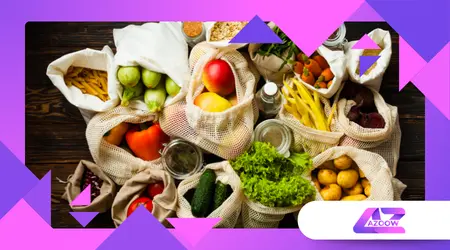
Instead of colorful cardboard boxes, glasses, cloth bags and stainless steel boxes are taking center stage, which you can simply take with you to the next weekly market.
People only buy what they actually use, instead of being tempted by "buy 3, pay for 2" offers to fill their pantries.
This reduction ensures order in the kitchen and prevents expired food from ending up unopened in the garbage can.
Why is the weekly market the best alternative?
Weekly markets offer the ideal infrastructure, as fruit and vegetables are traditionally sold loose there, and contact with the producer creates transparency.
Here you can fill your own nets without having an annoying sticker or plastic tray stuck to each product.
Furthermore, you directly support local farmers, which keeps transport routes short and sustainably strengthens the regional economy in your area.
Have you ever wondered why a tomato from the field next door tastes so much better than one from the distant greenhouse?
++ Zero Waste during Pregnancy & Parental Leave: Sustainability with Baby
What role do zero-waste shops play today?
In modern zero-waste shops you can find everything from pasta and grains to cleaning products, which you can fill up in exactly the amount you need.
This concept completely eliminates packaging waste and allows you to take even more exotic ingredients with you in the smallest quantities for testing.
Weighing your own containers before filling them is a ritual that brings a sense of calm to the often hectic everyday life of the big city.
This transforms shopping from a chore into a conscious act that puts the value of food back in the foreground.
What are the advantages of focusing on the essentials?
One Minimalist diet & packaging-free eating Practicing this often means avoiding highly processed convenience foods, which are usually encased in several layers of plastic.
This automatically reduces your consumption of artificial additives and sugar, which improves your well-being in the long term and actively supports your immune system.
Your body is like a high-precision engine; feed it pure fuel without chemical-based fiber, and it will run much smoother.
Reducing our diet to fresh, unprocessed ingredients is the most effective form of preventative healthcare that we can control ourselves in 2026.
See more: Celebrations and events without waste: Planning a zero-waste party
Why does minimalist eating actually save money?
Although organic products often seem more expensive, you can save considerably by specifically buying loose goods and avoiding brand marketing.
You no longer pay for the expensive packaging or the elaborate design, but solely for the edible contents of the container.
By reducing food waste, the money no longer ends up in the trash, but remains available for high-quality investments in one's own quality of life.
A study by Federal Environment Agency Previous studies have shown that households can save several hundred euros per year through conscious consumption.
See also: Zero waste in rented apartments: Small solutions for limited space
How does packaging-free living improve kitchen organization?
Uniform glass containers not only look aesthetically pleasing, but also allow you to see at a glance what supplies are still available.
The chaos of half-opened plastic bags disappears, making way for a clear, minimalist structure that makes cooking much more relaxed.
This clear layout prevents duplicate purchases and ensures that your food stays fresher for longer, as it is protected from pests and moisture.
Keeping your closet tidy often leads to inner peace, which positively influences everyday life and reduces stress.
Why is regional shopping more important than ever in 2026?
Global trade is struggling with rising energy costs, which Minimalist diet & packaging-free eating making it an economically sound decision for every household.
Locally sourced products do not require elaborate cooling for weeks on end or polystyrene padding for the long sea voyage.
When you buy directly from the farmer, you receive food that was harvested just before being sold and therefore retains its full vitamin content.
This freshness cannot be replaced by any industrial process and conserves the resources of our planet through minimal emissions.
What is the concept of community-supported agriculture?
In Community Supported Agriculture (CSA), consumers and farmers share the harvest and the risk, which guarantees a packaging-free supply.
You will receive a box of seasonal vegetables every week, which goes directly from the field to your bag, without any detours.
This model creates a deep connection to the origin of our food and promotes an understanding of the natural cycles of the seasons.
It's a win-win situation: The farmer has planning security and you receive pesticide-free goods without any plastic waste.
How does seasonality affect our diet?
Those who eat seasonally discover the variety of stored vegetables such as beetroot or kale in winter, instead of buying watery strawberries in January.
This variety ensures a natural supply of nutrients that is precisely tailored to the body's needs in each season.
Waiting for the first asparagus harvest or the sweet cherries in summer significantly increases the anticipation and the moment of enjoyment.
Seasonality is at the heart of a minimalist philosophy that makes the most of nature when it provides it.
Comparison of purchasing sources 2026
| source | Packaging waste | Regionality | Price-performance | Time required |
| supermarket | Very high | Small amount | Medium | Small amount |
| weekly market | Minimal | Very high | Good | Medium |
| zero-waste shop | Zero | Medium | Good (quantity selection) | High |
| Farm shop / Community Supported Agriculture | Zero | Maximum | Very good | High (Approach) |
| Homegrown | Zero | Pure locality | Top marks | Very high |
Time for conscious decisions
We have seen that Minimalist diet & packaging-free eating It is far more than just a trend; it is a vital strategy for a sustainable future.
The paths away from the supermarket lead us back to quality, community and a healthier use of our resources.
By banishing plastic from our kitchen, we create space for real flavor and reduce our ecological footprint day by day.
The first step starts with your next shopping trip: reach for a reusable shopping bag instead of a plastic one. Start small, but start, because every bit of packaging avoided counts towards a cleaner world.
Have you already tried a zero-waste shop near you, or do you use reusable shopping bags at the farmers market? Share your experiences in the comments!
Frequently Asked Questions (FAQ)
Isn't food without packaging much more expensive?
On the contrary: Since you only buy the quantities you need and don't pay for marketing costs for colorful boxes, you often save money.
Basic foodstuffs such as rice, lentils or oatmeal are usually cheaper in zero-waste shops than branded products in plastic bags.
How do I transport liquid foods like oil or milk?
For liquids, glass bottles with a swing-top closure or screw-top jars are best, which you should thoroughly clean at home beforehand.
Many shops also offer deposit systems if you want to shop spontaneously and don't have your own containers with you.
What do I do if there is no zero-waste shop in my city?
Weekly markets and organic shops are excellent alternatives for obtaining loose fruit, vegetables and cheese.
Even traditional bakers are usually happy to fill bread directly into your own cloth bag if you ask nicely.
How long do unpackaged supplies in a glass jar keep?
Dry goods such as pasta or flour keep just as long in airtight sealed jars as in the original packaging, often even longer.
A dark, cool place is important to optimally preserve the nutrients and flavor for months.
How do I handle meat and sausage without packaging?
At the fresh food counter in many markets or butcher shops, you can hand over your own stainless steel container.
Hygiene regulations usually allow this, as long as the can is placed on a special tray to avoid contact with the work surface.