
Noctourism Trend: Sustainable travel after sunset

Advertisement
The Noctourism Trend It completely redefines travel in 2026 by shifting the focus away from the burning daytime sun and towards the cool night.
This movement combines ecological responsibility with the longing for authentic experiences that only unfold their full magic after the dramatic sunset.
Today, travelers are increasingly seeking ways to avoid the extreme heat of climate change while also avoiding crowded tourist attractions during daylight hours.
Night hiking, astrophotography and the protection of nocturnal biodiversity are at the heart of this sustainable strategy, which celebrates the tranquility of darkness.
Strategic travel highlights
- Astrotourism: The discovery of certified star parks without disruptive light pollution worldwide.
- Nocturnal flora and fauna: Guided tours to observe rare, nocturnal animal species in protected areas.
- Protecting darkness: Initiatives to reduce artificial light in order to preserve natural biological rhythms.
- Cultural night events: Sustainably organized markets and festivals that celebrate local traditions after dark.
Why is night tourism so important for environmental protection?
The Noctourism Trend massively promotes awareness of the drastic effects of light pollution on our global ecosystems and human health.
Artificial light disrupts the orientation of migratory birds and endangers the reproduction of countless insect species, massively impacting the ecological balance.
By deliberately seeking out dark places, travelers help local communities to understand their natural nightscapes as a valuable asset worthy of protection.
This economic incentive often leads to stricter laws against unnecessary lighting and promotes the preservation of untouched wilderness areas.
How do endangered animal species benefit from this change?
Many species that flee from the heat or predators during the day only become truly active and visible in the cool of the night.
Sustainable night tourism uses special infrared technologies to observe animals without disturbing their natural biorhythm with bright flashlight light.
For example, sea turtle projects on the coasts of Costa Rica now offer guided night watches that do without harmful white light.
This mindful approach enables educational experiences that directly contribute to funding conservation measures for these endangered reptiles.
++ Overtourism solutions: How small tourist destinations can redirect visitors
What does "Dark Sky" certification mean for a region?
The International Dark Sky Association awards titles to regions that are actively committed to preserving the natural night sky.
Such places become magnets for the Noctourism Trend, as they offer a view of the Milky Way that is impossible in large cities.
This certification obliges municipalities to use outdoor lighting responsibly, which saves energy and reduces the carbon footprint.
Travelers will find here a stillness and visual purity that has become an absolute rarity in our modern, brightly lit world.
What are the advantages of planning a trip after sunset?
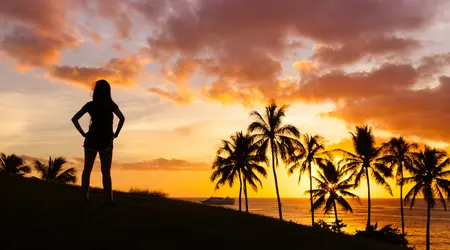
A key aspect of the Noctourism Trend is the significant reduction of heat stress for the body during the increasingly hot summer months.
Activities such as hiking or city sightseeing become a more physically pleasant experience at night, which is better for the health of tourists.
Furthermore, night owls escape the massive crowds that clog the main attractions during the day, resulting in a significantly higher quality of experience.
The darkness acts like a natural filter, focusing attention on what is essential and sharpening the senses for sounds.
See more: Backpacking with responsibility: Ecotourism for backpackers
Why is psychological recovery deeper at night?
The absence of visual noise and the hectic activity of the day allows for a form of mindfulness that is often lost in everyday life.
Observing the infinite vastness of the universe puts one's own worries into perspective and fosters a deep sense of connection with nature.
In a world that never sleeps, consciously choosing darkness offers a radical form of deceleration and inner peace.
This form of travel is similar to a digital detox, as the smartphone is often only used at night for long exposures of the starry sky.
See also: Sustainable honeymoons: Love, nature and responsibility
How does the night influence cultural understanding?
Many cultures maintain nocturnal myths and stories that tourists only discover through the Noctourism Trend to experience it truly authentically and up close.
Stories told around the campfire or nighttime temple visits convey a spiritual depth that is often obscured by the harsh midday sunlight.
In Japan, for example, „Tsukimi“ (moon viewing) is a centuries-old tradition that is now experiencing a modern revival through sustainable tourism.
In this way, travelers learn to respect nature not as a backdrop, but as a living, breathing space.
How does the logistics for sustainable night travel work?
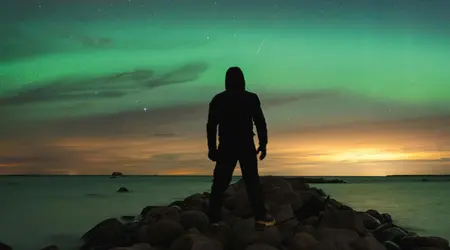
The successful implementation of the Noctourism Trend requires specialized equipment that guarantees safety without negatively impacting the sensitive environment.
Organizers are increasingly relying on electric, silent vehicles to preserve the nighttime stillness of forests and deserts for humans and animals.
High-quality optics such as telescopes or light amplifiers allow glimpses into worlds that are normally hidden from the naked eye, without artificially brightening the scene.
This technological support makes traveling after sunset an educational adventure for all ages.
What equipment is essential for night hikers?
Hikers today use red LED lights because these hardly impair human night vision and frighten animals less than bright blue light.
Sturdy footwear and GPS devices are essential to move safely in the altered perception of the terrain.
Preparing for a night excursion is similar to planning an expedition; it requires patience, caution, and a trained eye for detail.
Organizers place great emphasis on "Leave No Trace" principles in order to keep the ecological footprint as small as possible.
Why are specialized guides important for this trend?
A certified guide for the Noctourism Trend possesses in-depth knowledge of astronomy, biology, and safety under difficult viewing conditions.
He can interpret the language of the night and explain to guests why certain insects only dance in moonlight.
Without expert guidance, there is a risk of unintentionally disturbing sensitive habitats or putting oneself in danger.
Professional guides act as bridge builders between human curiosity and the need to protect nocturnal natural spaces.
Comparison: Day tourism vs. Sustainable night tourism
| feature | Classic day tourism | Sustainable night tourism | Ecological advantage |
| temperature | Often extreme heat | Pleasant coolness | Lower water consumption |
| Visitor density | Very high (overtourism) | Very low | Relief for the infrastructure |
| Main activity | Sightseeing & Shopping | Astronomy & Wildlife Observation | Focus on nature conservation |
| lighting | Natural sunlight | Red light & darkness | Biodiversity protection |
| Means of transport | Buses, cars, trains | Electric vehicles, hiking | Minimizing noise |
The magic of darkness as the future of travel
The Noctourism Trend marks a turning point in our perception of holidays and recreation in 2026.
We have analyzed how protecting the night sky not only preserves biodiversity but also provides us with deeper psychological recovery.
This form of travel is a response to the overheating of our planet and the overcrowding of our cities during the day.
By understanding the night as a valuable space for experience, we learn to perceive and appreciate the world through other senses. Ultimately, darkness is not emptiness, but a space full of undiscovered wonders, waiting to be explored responsibly.
Have you ever seen the Milky Way in complete darkness, or are you already planning your first night hike for your next vacation? Share your experiences in the comments!
Frequently Asked Questions (FAQ)
Isn't traveling at night more dangerous than during the day?
Under professional guidance and with the right equipment, the risk is minimal and comparable to daytime activities.
The greatest danger is often overestimating one's own abilities, which is why specialized guides are strongly recommended for beginners in the field of night tourism.
Where can you find the best places for astrotourism?
Regions such as the Atacama Desert in Chile, parts of Namibia, or certified star parks in the Eifel region offer the best conditions worldwide.
These places have minimal light pollution and often allow a crystal-clear view into distant galaxies.
Doesn't night tourism disturb the animals' sleep?
A responsible Noctourism Trend Take strict care to maintain distance and avoid using any disturbing light sources or noises.
The goal is to observe natural behavior, not to disturb the resting phases of the local fauna.
Do I need an expensive camera for night photography?
Modern smartphones in 2026 will have excellent night modes that enable impressive shots, provided a tripod is used.
However, professional astrophotography still requires specialized equipment with large sensors and fast lenses.
Why should I hike at night if I can't see the view?
The night offers a completely different "view", a glimpse into the cosmos and a sharpening of hearing and sense of smell.
It's less about the panorama in the distance and more about the immediate experience of the surroundings and the magic of the night sky.