
Fewer places, more experiences: The principle of slow travel
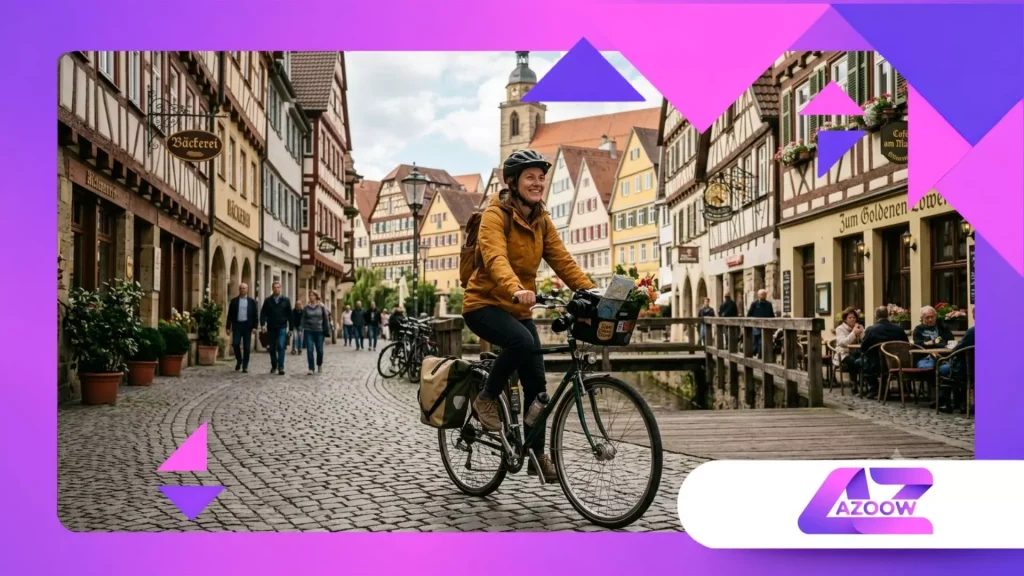
The principle of slow travel In 2026, it fundamentally revolutionizes the global tourism industry by radically prioritizing conscious deceleration over hectic mass tourism.
Advertisement
Today's travelers seek deeper, authentic encounters with local cultures, rather than simply ticking off world-famous landmarks for fleeting social media photos.
This journalistic report analyzes the profound shift in our travel behavior towards ecological responsibility and maximum deceleration in distant regions.
We are investigating sustainable mobility concepts, economic benefits for local communities, and practical methods for stress-free, conscious holiday planning.
A brief overview of our guide shows effective ways to slow down holiday travel through conscious route planning, sustainable means of transport and authentic cultural discoveries.
What does mindful travel actually mean?
What is conscious deceleration?
Travelers spend more time in a single chosen location to gain an in-depth understanding of the local culture, culinary traditions, and real everyday life.
It's about completely abandoning the stressful pace of modern everyday life and perceiving the environment holistically with sharpened senses.
This conscious lingering conserves the valuable resources of our earth, as frequent, environmentally damaging transport changes between widely separated holiday destinations are completely eliminated.
Off the beaten track, holidaymakers discover the true beauty of a region that usually remains hidden from classic package tourists due to a constant lack of time.
How does local integration work?
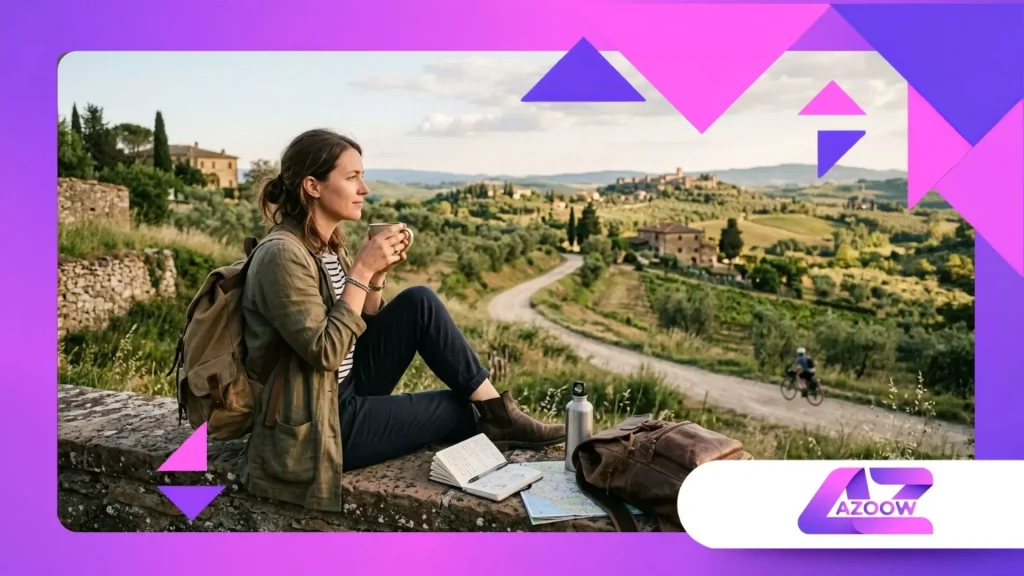
An excellent practical example is a one-week stay on a family-run organic farm in the picturesque, rural Tuscany instead of a hectic city tour.
Guests buy fresh ingredients directly at the regional weekly market and cook traditional dishes together with the friendly locals in the evenings.
This close, respectful exchange creates lasting, genuine friendships that sustainably broaden personal horizons far beyond the holiday period.
Travelers do not simply consume anonymous services, but become a valued part of the local community for a limited time.
++ Climate-conscious travel destinations: Places with a genuine sustainability strategy
Why does the environment benefit?
Those who consistently choose the principle of slow travel decides to minimize its ecological footprint by deliberately avoiding CO2-intensive domestic flights.
The conscious choice of modern trains, environmentally friendly buses or your own bicycle effectively protects the sensitive ecosystems of our holiday destinations.
Furthermore, this gentle form of tourism avoids the extreme overloading of sensitive natural areas, which are exposed to acute destruction by uncontrolled mass influx.
Sustainable travel means leaving places so untouched that future generations can fully experience their original beauty.
How does the practical implementation work?
Which means of transport are sustainable?
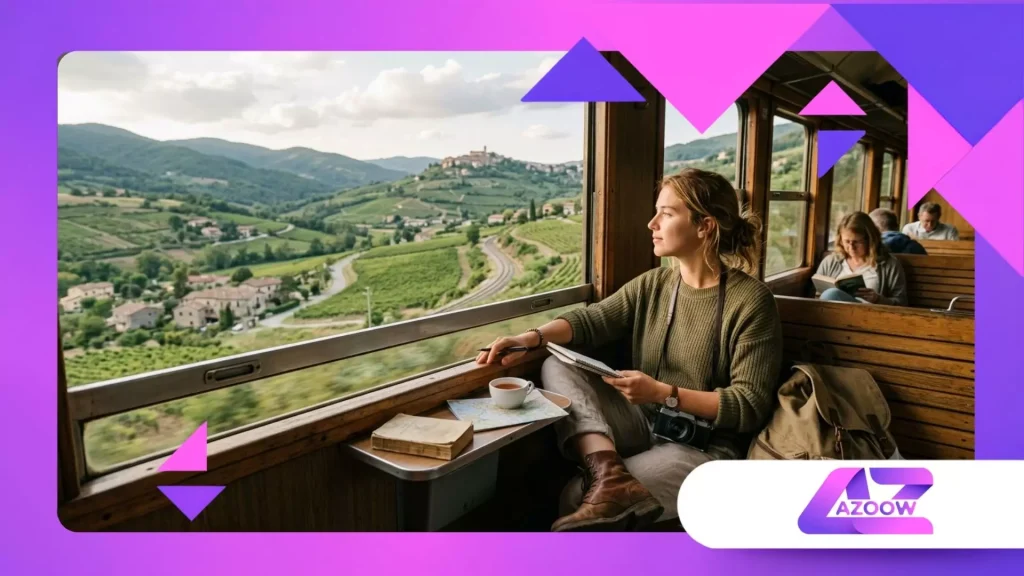
The use of the excellently developed European night train network enables comfortable, environmentally friendly travel to distant destinations without any airport stress.
During the journey, the landscape glides by like a gentle film, perfectly preparing travelers mentally for the upcoming adventure.
Slow travel is like a deep, restorative meditation: the journey itself becomes a valuable, integral part of the entire holiday experience.
At their destination, holidaymakers consistently use public transport or explore the picturesque surroundings completely emission-free on foot.
See more: 10 sustainable travel destinations off the beaten track
What do the current statistics show?
Current data from the Research Association for Holidays and Travel shows that interest in ecologically sustainable forms of vacation increased significantly in 2026.
Over 62 percent of the holidaymakers surveyed expressed an explicit desire to make their upcoming trips significantly more environmentally friendly and resource-efficient.
This clear statistic underlines the irreversible change of an entire industry, which must increasingly move away from pure profit maximization.
Local providers who consistently focus on sustainable tourism and authentic experiences are therefore experiencing continuously growing demand worldwide.
See also: Fair Trade on holiday: Buy souvenirs with a clear conscience
What does sustainable accommodation selection look like?
A second good example is the targeted booking of certified eco-lodges that cover their entire electricity needs independently from renewable energy sources.
These accommodations use innovative greywater systems for garden irrigation and avoid plastic waste through the consistent use of durable reusable systems in room service.
By specifically supporting such visionary businesses, travelers direct important financial resources directly into active nature and species conservation on site.
In addition, guests enjoy a healthy indoor climate and excellent, freshly prepared food made from organic produce grown in the immediate neighborhood.
What are the advantages of slowing down?
Why is holiday stress decreasing?
Rigidly ticking off crowded tourist highlights by the minute often creates more mental stress than the normal, strenuous workday at home.
However, if we consider the principle of slow travel We decide, we determine the daily pace completely freely and flexibly ourselves.
Without the constant pressure of having to reach the next museum on time, there is finally room for spontaneous discoveries and relaxing breaks.
This newfound freedom deeply regenerates the strained nervous system and ensures a long-lasting, genuine recovery after the return.
How is the local economy reacting?
Sustainable tourism should focus more on small, independent family businesses, artisans and regional farmers, instead of transferring money to international hotel chains.
Every euro invested stays directly in the region, securing fair jobs and important traditional professions from extinction.
Wouldn't you also like your hard-earned holiday money to directly help the people on the ground, instead of disappearing into anonymous tax havens?
Deliberate economic support creates a healthy balance between the needs of travelers and the living conditions of the local population.
Why do we change our habits?
Experiencing untouched nature and genuine hospitality sharpens awareness of the acute need to protect our planet in daily life.
We take the valuable inspirations of slower-paced cultures home with us and gradually integrate them into our own, often hectic, everyday lives.
This turns every journey into a profound transformation process that sustainably and positively changes our personal values for the future.
Ultimately, we realize that true luxury lies not in material waste, but in unforgettable, profound moments.
The following informative table compares the essential organizational features of traditional mass tourism with future-oriented approaches of conscious deceleration.
This overview helps you to rationally assess the environmental and personal impacts of your individual travel behavior.
| Travel parameters | Traditional mass tourism | Sustainable deceleration |
| Number of travel destinations | Many places in a very short time | Few places with maximum dwell time |
| Preferred means of transport | CO2-intensive short-haul flights | Climate-friendly trains and buses |
| Economic effect | Profits flow to large corporations. | Direct support for local families |
| Personal recreational value | High (due to tight schedules) | Maximum (through flexible leisure activities) |
A future-proof concept for conscious globetrotters
A consistent focus on quality instead of pure quantity is proving to be the only right path for the future of global tourism.
The clever the principle of slow travel It protects sensitive ecosystems, strengthens local communities, and gives us deeper, unforgettable travel experiences.
What inspiring experiences have you personally had while traveling at a slower pace in faraway or near countries?
Please share your personal stories and valuable tips for sustainable tourism in the comments below!
Frequently Asked Questions
Isn't slow travel much more expensive?
No, because staying longer in one place often allows for attractive discounts on accommodation and local transport.
In addition, the extremely high costs of constant connecting flights, expensive tourist tickets and overpriced restaurants in overcrowded tourist centers are eliminated.
How much time is needed for slow travel?
The concept can already be perfectly and successfully implemented in a single long weekend in one's own, local region.
Rather, it is the inner, mindful attitude and the conscious reduction of planned activities that matters, not the number of weeks.
Is this type of travel also suitable for families?
Yes, children benefit enormously from the stress-free atmosphere, as fixed locations offer plenty of space for free play and exploration.
Avoiding stressful transport days saves parents' nerves and sustainably strengthens the shared family experience in nature.