
What does energy efficiency class A+++ really mean?
Advertisement
The Energy efficiency class A+++ stands for maximum energy savings in household appliances. But what does this label mean?
At a time when energy costs are rising and climate change is pressing, it is crucial to understand the meaning of this label.
It not only promises lower power consumption but also a contribution to sustainability. This article delves deep into the world of energy efficiency, illuminates the nuances of the label, and shows why it's more than just a letter.
From how it works to practical examples and common misconceptions, here you will learn everything you need to know about Energy efficiency class A+++ need to know.
Energy efficiency isn't an abstract concept, but a key to sustainable living. Appliances with this label consume significantly less electricity than others.
But how is this class defined, and why was the system revised in 2021? This blog post explains the background, provides current insights, and shows how you as a consumer can benefit.
With rising energy prices and new EU regulations, it is more important than ever to make informed purchasing decisions.
Let’s find out together what Energy efficiency class A+++ really means and how it changes your everyday life.
The evolution of energy efficiency classes
Before 2021, Energy efficiency class A+++ the highest level for household appliances. But the EU introduced a new scale from A to G. Why?
Many devices achieved A+++ ratings, making comparisons difficult. The new classes are more stringent, and even top-of-the-line devices often end up in B or C.
The revision provides clarity and encourages manufacturers to innovate. A refrigerator with an old A+++ rating might now only be rated D.
++ How to save electricity in everyday life – without changing your lifestyle
The label takes into account electricity consumption, water use and noise levels to provide consumers with better information.
A QR code on the label links to the EU EPREL database with detailed product data, allowing you to compare devices precisely.
The new rules have applied to refrigerators, washing machines and televisions since March 2021, and to tumble dryers since July 2025.
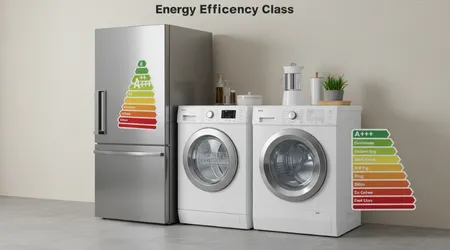
How is the energy efficiency class A+++ calculated?
The Energy efficiency class A+++ was based on the Energy Efficiency Index (EEI), which measures power consumption compared to a reference device. A lower EEI meant higher efficiency. Today, the scale is more stringent, with A being the highest.
Manufacturers must test the EEI under standardized conditions, such as in the eco program of washing machines.
See more: Municipal energy transition: How cities become pioneers
According to Stiftung Warentest, only a few devices will reach the new Class A by 2025. The focus is on real benefits.
Factors such as water consumption and noise level are also taken into account. A dishwasher rated A saves up to 30% energy compared to a C. The label also shows the annual consumption in kWh.
| Device type | Energy efficiency class | Electricity consumption (kWh/year) | Water consumption (liters/cycle) |
|---|---|---|---|
| Refrigerator | A | 100 | – |
| washing machine | A | 50 | 40 |
| dishwasher | B | 70 | 9 |
| tumble dryer | C | 200 | – |
Why does energy efficiency play a key role?
High energy efficiency significantly reduces your electricity bill. A refrigerator with Energy efficiency class A+++ (old) saves about €50 annually compared to a C-class appliance. With rising energy prices, this is a clear advantage.
Sustainability is another plus. High-efficiency appliances reduce CO₂ emissions. According to the EU Commission, a household with A-rated appliances saves up to 200 kg of CO₂ annually. This protects the environment sustainably.
See also: Energy certificate: obligations, costs and tips for landlords
In addition, new EU guidelines promote repairability. A-labeled appliances often offer longer spare parts availability, extending their service life. This way, you combine savings with ecological responsibility.
Choosing an efficient appliance also impacts your living comfort. Modern appliances are quieter, which is especially important in open-plan living spaces. A quiet dishwasher improves your quality of life.
Practical examples: Efficiency in everyday life
Imagine you buy a washing machine. A new Class A model consumes 50 kWh annually, while a Class C model consumes 80 kWh. That saves €15 per year.
Or take a refrigerator: A rated A appliance cools more efficiently and keeps food fresh longer. One example is the Müller family, who save €60 annually with an rated A refrigerator.
Another example is a tumble dryer. A C-rated appliance consumes 200 kWh, while an A-rated model consumes only 120 kWh. That's a difference of €40 per year.
Efficient appliances are especially worthwhile for frequent use. A family that cooks daily will benefit greatly from an A-rated oven with low consumption.
Misunderstandings about energy efficiency class A+++
Many people believe that an A+++ (old) is always the best choice. But the new scale is more precise, and an old A+++ can now only be a D. Why this confusion?
The old energy ratings led to a "piling-up effect." Many appliances were rated A+++, despite significant differences in energy consumption. The new scale creates transparency.
Another misconception: Higher efficiency means higher costs. In fact, Class A appliances often pay for themselves within a few years through lower consumption.
Some people think only new appliances are efficient. But even older models with good labels can be economical if they are properly maintained.
The impact on manufacturers and innovation
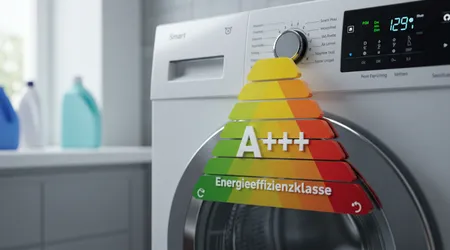
The strict scale forces manufacturers to develop more efficient devices. The EU aims to convert all product categories to energy-efficient energy consumption by 2030 to drive innovation.
For example, LED light bulbs dominate today because they meet the new A-class criteria. Old incandescent bulbs are passé because they are inefficient.
Manufacturers are investing in technologies like heat pumps for dryers that drastically reduce consumption, creating more sustainable products for consumers.
The EU Ecodesign Directives also promote repairability. Devices with an A-label must provide spare parts and repair instructions, which extends their lifespan.
How to make the right choice
When purchasing an appliance, check the energy label carefully. The QR code leads to detailed data in the EPREL database, such as consumption and noise levels.
Compare annual consumption in kWh, not just the class. A Class A appliance with 100 kWh is better than a Class B appliance with 150 kWh.
Consider your usage habits. A large family needs a more efficient dishwasher than a single-person household. Tailor your choice to your needs.
Look for additional features like eco programs. These further reduce consumption, especially for frequently used appliances like washing machines.
An analogy: Energy efficiency as a marathon
Think of energy efficiency like a marathon. An A-rated device is like a runner who can go far on little energy. A C-rated device starts to gasp after just a few kilometers.
The Energy efficiency class A+++ was once the top runner, but the new scale demands even more endurance.
Like a marathon runner, you have to make smart decisions: The right device will save energy, costs, and protect the environment in the long run. Which device should you choose?
Frequently Asked Questions (FAQ)
Why was the *Energy efficiency class A+++* abolished?
The A+++ class caused confusion because many appliances achieved this level. The new AG scale is more stringent and encourages innovation.
Are A-devices more expensive?
Higher initial costs are offset by savings. An A-rated refrigerator often saves €500 over 10 years compared to a C-rated model.
Does the new label apply to all devices?
Since 2021 for refrigerators, washing machines, and televisions; since 2025 for tumble dryers. Ovens will follow by 2030.
Conclusion
The Energy efficiency class A+++ was a milestone, but the new AG scale brings more clarity and drives innovation.
It helps you reduce electricity costs and protect the environment. You can maximize the benefits by making conscious purchasing decisions and using eco-friendly programs.
Learn about the energy label, use the EPREL database, and choose appliances that fit your everyday needs.
Energy efficiency is not a luxury, but a necessity for a sustainable future. Which appliance will be your next step toward greater efficiency?