
Zero Waste Lifestyle: How you can achieve big things with small changes
Advertisement
Sustainability is becoming increasingly important, and many people are wondering how they can make their everyday lives more environmentally friendly. Zero Waste Lifestyle is a way to actively have a positive impact on the environment without sacrificing quality of life.
It's not about being perfect overnight, but about making more sustainable decisions step by step.
Using resources consciously not only helps avoid waste, but also saves money in the long run and reduces your ecological footprint. But how exactly does that work? What small changes in everyday life can really make a difference?
This article shows how anyone can achieve this with simple measures. Zero Waste Lifestyle can integrate into his life.
Why Zero Waste is important
Every day, vast amounts of waste are generated – from plastic packaging to leftover food. A large portion of this ends up in landfills or in the oceans, where it causes significant environmental damage.
Microplastics enter our food chain, and the production of many disposable products burdens nature through high CO₂ emissions.
A Zero Waste Lifestyle This is precisely where it comes in: conscious consumer behavior, reuse and waste avoidance can conserve valuable resources.
The concept is based on five principles: Refuse, Reduce, Reuse, Recycle and Rot (compost).
Read also: Where to find zero-waste products in Germany.
Step by step towards less waste
Everyone can contribute without having to turn their entire life upside down. Small changes can already have a big impact.
Shop consciously and avoid packaging waste
Supermarkets are full of products packaged in plastic.
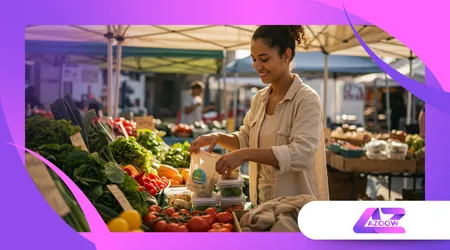
One of the simplest ways to reduce waste is to shop in zero-waste stores or at farmers' markets. There, food can be transported in reusable containers.
Additionally, it's worthwhile to opt for reusable products. A reusable water bottle, cloth bags for fruit and vegetables, and separate containers for meat and cheese help to drastically reduce packaging waste.
Use sustainable alternatives in the household
Many conventional cleaning products contain chemicals and are packaged in plastic bottles.
An environmentally friendly alternative is homemade cleaners made from vinegar, baking soda, and citric acid. These ingredients are not only environmentally friendly but also inexpensive.
You can also save a lot of plastic in the kitchen. Beeswax wraps replace cling film, and glass or stainless steel containers are durable alternatives to plastic containers.
Consume fashion more consciously
The textile industry is one of the world's biggest polluters. Fast fashion generates enormous amounts of waste, as clothing is often discarded after a short time.
A sustainable approach involves buying high-quality clothing that lasts longer, favoring second-hand fashion, or using clothing swaps.
Waste less food
Food waste is a huge problem. Many products end up in the trash even though they are still perfectly edible. By planning consciously, shopping carefully, and creatively using leftovers, a lot of waste can be avoided.
A simple trick is to plan meals in advance and make a shopping list. Storing food properly extends its shelf life and prevents unnecessary waste.
Zero waste in the bathroom
There are also many ways to reduce waste in the bathroom. Solid soaps, shampoo bars, and toothpaste in glass containers are sustainable alternatives to conventional products. Additionally, washable makeup remover pads can replace disposable cotton pads.
How to integrate zero waste into your everyday life
It's not necessary to completely change your life all at once. Those who consume more consciously, step by step, can develop sustainable habits that will have a positive long-term impact.
Shop sustainably and avoid packaging waste
A large portion of our daily waste is generated during shopping. Supermarkets are full of products wrapped in plastic, and many people opt for disposable items out of convenience.
A more sustainable alternative is shopping in zero-waste stores or at weekly markets, where food is available without packaging.
Reusable products are also a sensible solution. A reusable water bottle, cloth bags for fruits and vegetables, or glass containers for food can replace plastic packaging. Many bakeries and butcher shops now allow customers to bring their own containers to avoid unnecessary waste.
Zero waste in the kitchen: Waste less food
Food waste is a major problem. Often, perfectly edible products end up in the trash. With careful planning, waste can be avoided:
- Plan meals in advance and shop accordingly
- Store food properly to extend its shelf life
- Use leftovers instead of throwing them away.
Another aspect is the conscious use of packaging materials. Those who opt for glass or stainless steel containers not only reduce waste but also keep food fresh for longer.
Sustainable alternatives for the household
Many conventional cleaning products contain harsh chemicals and are packaged in plastic bottles. An environmentally friendly alternative is homemade cleaners made from natural ingredients such as vinegar, baking soda, and citric acid. These are not only more environmentally friendly but also more cost-effective.
In the kitchen, plastic products can be replaced with durable alternatives. Beeswax wraps are a sustainable way to replace cling film. Reusable sponges and bamboo dishwashing trays are also practical alternatives to disposable items.
Sustainable fashion: Slow fashion instead of fast fashion
The fashion industry is one of the biggest polluters. Many garments are worn only a few times and then thrown away. Those who want to live more sustainably can:
- Buy high-quality clothing that lasts longer
- Prefer second-hand fashion
- Use clothing swap platforms
Fair fashion companies now also offer sustainable collections that are produced under environmentally friendly conditions.
Conclusion: Every small step counts
A Zero Waste Lifestyle It doesn't have to be complicated.
It's not about immediately living a zero-waste life, but about consuming more consciously and making more sustainable choices. Every small change helps to reduce the burden on the environment.
Those who gradually change their thinking can make a big difference in the long run – for themselves and for future generations.
FAQ: Frequently asked questions about the zero-waste lifestyle
1. Is a zero-waste lifestyle expensive?
No, quite the opposite. Conscious consumption often saves money. Reusable products last longer than disposable ones, and homemade cleaning products or cosmetics are often cheaper than conventional alternatives. Furthermore, less consumption leads to lower expenses.
2. Do I have to completely change my life immediately?
No, the transition to a zero-waste lifestyle happens gradually.
It's about acting more consciously and gradually making more sustainable choices. Every small step counts and helps to reduce the burden on the environment.
3. What is the easiest way to reduce waste in my everyday life?
One of the simplest measures is the use of reusable products such as cloth bags, drinking bottles and glass containers.
Shopping more consciously – for example in zero-waste shops or at weekly markets – also helps to avoid packaging waste.
4. What can I do if there are no zero-waste shops in my city?
Sustainable alternatives can be found even without zero-waste shops.
Supermarkets often offer loose products that can be filled into reusable cloth bags or glass containers brought from home. Additionally, buying larger packages instead of many smaller ones helps to reduce waste.
5. Is zero waste really effective against environmental pollution?
Yes, because the less waste is produced, the less it burdens the environment.
Plastic waste pollutes oceans and soils, while food waste squanders valuable resources. Every contribution to waste reduction helps protect nature and live more sustainably.