
Vertical gardening: Maximum harvest in minimal space
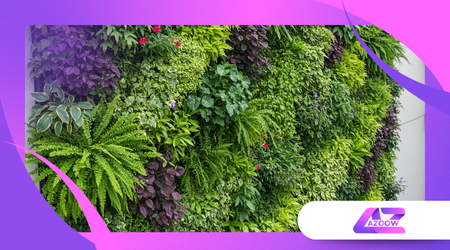
Advertisement
With the increasing lack of space in urban areas and the growing interest in sustainable living, more and more people are looking for creative ways to create their own garden.
Vertical gardening offers an innovative solution to achieve a bountiful harvest even in the smallest of spaces.
By using vertical structures, plants can grow upwards instead of outwards, which not only saves space but also maximizes yields.
Whether on the balcony, on the house wall or in the courtyard – vertical gardening opens up new possibilities for growing fruit, vegetables and herbs.
This article will tell you everything about the advantages, methods and best plants for this space-saving gardening method.
Why is vertical gardening so effective?
Vertical gardening makes optimal use of available space and offers numerous advantages. This innovative method is not only suitable for urban gardens, but also for anyone who wants to use their growing area more efficiently.
1. Space savings and higher yields
By stacking or attaching plant containers to walls, trellises or special vertical structures, gardeners can cultivate a variety of plants even in the smallest of spaces.
This allows for a larger harvest, even in limited living spaces.
2. Improved air circulation and reduced pest infestation
Because plants don't grow close together on the ground, air circulation improves, reducing the risk of fungal diseases and pest infestations. Furthermore, pests like slugs have more difficulty reaching the plants.
3. Easier care and harvesting
Vertical gardens require less bending and kneeling, making them particularly attractive for people with back problems or limited mobility. Harvesting is also often easier, as many plants grow at eye level.
4. Better use of light and water
The staggered arrangement of the plants allows everyone to benefit more from sunlight.
Furthermore, the water can be distributed more efficiently, as excess water from upper levels can seep into the plant containers below.
The best methods for vertical gardening
There are various techniques for creating a vertical garden. Which method is best depends on the individual circumstances and the desired plants.
1. Wall gardens and vertical planting systems
Wall gardens consist of special pockets, vertical planters or modular systems that are attached to walls.
They are particularly well suited for herbs, salads and smaller vegetables such as radishes or strawberries.
Learn more: The importance of fair trade in the fashion industry.
2. Trellises and climbing supports
Many plants, such as tomatoes, cucumbers, beans, and climbing roses, naturally grow upwards.
By using trellises, espaliers or nets, they can be optimally supported and take up less space in width.
3. Hanging gardens and vertical shelves
Hanging planters or multi-tiered shelves allow for the use of vertical space on balconies and terraces.
This method is particularly suitable for plants with a shallow root system, such as herbs and leafy vegetables.
4. Hydroponic and aeroponic systems
Modern vertical gardens often rely on hydroponic or aeroponic systems, in which plants are supplied with nutrient solutions or finely misted water.
These systems are particularly space-saving and productive, but require a certain level of technical equipment.
Which plants are suitable for vertical gardening?
Not all plants are suitable for vertical growing. Here are some of the best options:
- Vegetables: Tomatoes, cucumbers, peppers, beans, zucchini
- Herbs: Basil, mint, thyme, oregano, parsley
- Berries: Strawberries, raspberries, blackberries
- Flowers: Climbing roses, petunias, ivy, clematis
A vertical garden can be optimally used and maintained by combining the right plants.
Conclusion
Vertical gardening is a clever way to achieve a rich harvest even in a small space.
By using walls, trellises, shelves and modern hydroponic systems, gardeners can maximize their growing area while simplifying maintenance.
The right choice of plants and a well-thought-out irrigation system are crucial for the success of a vertical garden.
Whether on the balcony, in the courtyard or on the house wall – with the right technique, a space-saving, productive garden can be created almost anywhere.
Those who take advantage of vertical gardening can not only harvest fresh food right on their doorstep, but also promote a green and sustainable lifestyle.
Furthermore, this method contributes to improving air quality, creates natural cooling effects and increases biodiversity by providing habitats for insects and birds.
Another advantage is the possibility of growing your own healthy, pesticide-free food through vertical gardening, which is particularly beneficial in urban areas with limited access to fresh produce.
Anyone who has familiarized themselves with this technique will quickly realize that it is not only practical, but also an extremely aesthetic enhancement for any outdoor or indoor space.
With some planning, creativity and regular maintenance, everyone can benefit from the numerous advantages of vertical gardening and implement a sustainable, space-saving solution for home cultivation.
FAQ – Frequently Asked Questions
1. Is vertical gardening suitable for beginners?
Yes, many vertical gardening systems are easy to implement and require little maintenance. Beginners should start with low-maintenance plants such as herbs or lettuce.
2. Which materials are suitable for a vertical garden?
Plant boxes, trellises, hanging pots, pallets or special wall modules can be used for vertical cultivation.
3. How is a vertical garden watered?
Depending on the system, watering cans, drip irrigation, or hydroponic solutions can be used. It is important that the water reaches all plants evenly.
4. Can I do vertical gardening indoors?
Yes, with the right lighting and a suitable irrigation system, herbs and small vegetable plants can also thrive indoors.
5. What mistakes should you avoid when vertical gardening?
Common mistakes include choosing the wrong location, insufficient watering, and overloading structures with too many or unsuitable plants. Careful planning helps avoid these problems.
5. What mistakes should you avoid when vertical gardening?
Common mistakes include choosing the wrong location, insufficient watering, and overloading structures with too many or unsuitable plants. Careful planning helps avoid these problems.
6. How can I protect my vertical garden from pests?
Natural pest control methods such as neem oil, mixed cropping, or the introduction of beneficial insects help to keep pests away.
7. Which climbing supports are best suited for climbing plants?
Trellises, espaliers and rope systems are particularly effective for plants such as beans, cucumbers and climbing roses.
8. How does vertical gardening affect the environment?
It contributes to air purification, reduces heat in urban areas and promotes biodiversity by providing additional habitats for insects and birds.
9. Can I combine vertical gardening with hydroponics?
Yes, hydroponic systems are an efficient way to make vertical gardens even more sustainable and productive.
10. What lighting conditions are ideal for a vertical garden?
Most plants need at least 6 hours of sunlight daily. Alternatively, LED grow lights can provide additional illumination.