
Urban gardening: How to start your garden in the city
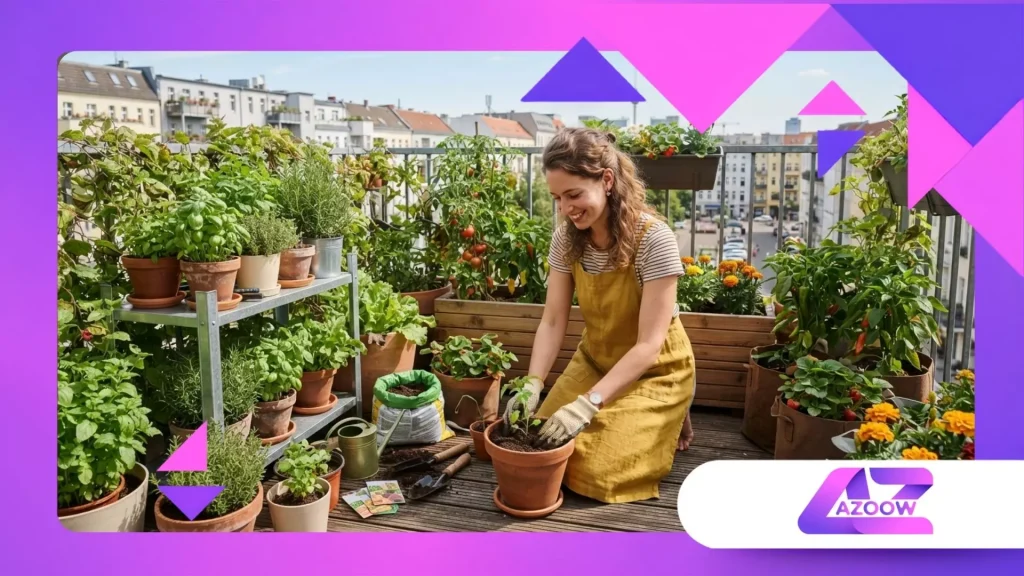
Urban gardening Today it is more than just a trend; it is the answer to the desire for nature amidst the concrete-hard reality of our modern metropolises.
Advertisement
Those who live in the city often seek a balance to their digital everyday life and find it in the creation of green retreats in a very small space.
This movement transforms grey roofs, small balconies and unused backyards into vibrant ecosystems that improve our diet and noticeably cool the urban climate.
Have you ever wondered what it feels like to harvest your own dinner right on your doorstep while the traffic roars past outside?
- Basics for the city garden
- Choosing the right plants
- Effective space utilization through vertical systems
- Care and sustainability in urban areas
Why is having your own garden in the city essential today?
What ecological benefits does urban gardening offer for the urban climate?
By strategically greening sealed surfaces, we are making an active contribution to reducing urban heat islands, which are increasingly becoming a health hazard, especially in summer.
The plants act like a natural air conditioner, as they evaporate moisture and at the same time effectively filter and bind fine dust from the polluted city air.
Studies by the German Federal Environment Agency confirm that green roofs can lower the ambient temperature by up to four degrees Celsius on hot days, noticeably improving the microclimate in densely built-up areas.
A urban gardening The project thus not only acts as a personal retreat, but also plays an important role in the quality of life and health of all city residents in the neighborhood.
How does urban gardening promote mental health?
Working with soil and plants on a daily basis provides a necessary contrast to the constant accessibility and visual stimuli of the digital world, which has been proven to significantly reduce stress levels.
It is an analog activity that grounds us and focuses our attention on the natural rhythm of growth and decay, which wonderfully calms the mind.
Gardening is like learning a new language, where we learn to pay attention to the subtle signals from our plants instead of just staring at screens and following algorithms.
Through regular interaction with living organisms, we develop patience and mindfulness, which also offer us valuable and stable support in other areas of our demanding, modern lives.
++ Swap instead of buy: Share plants, seeds and knowledge
How do you successfully launch your project in a small space?
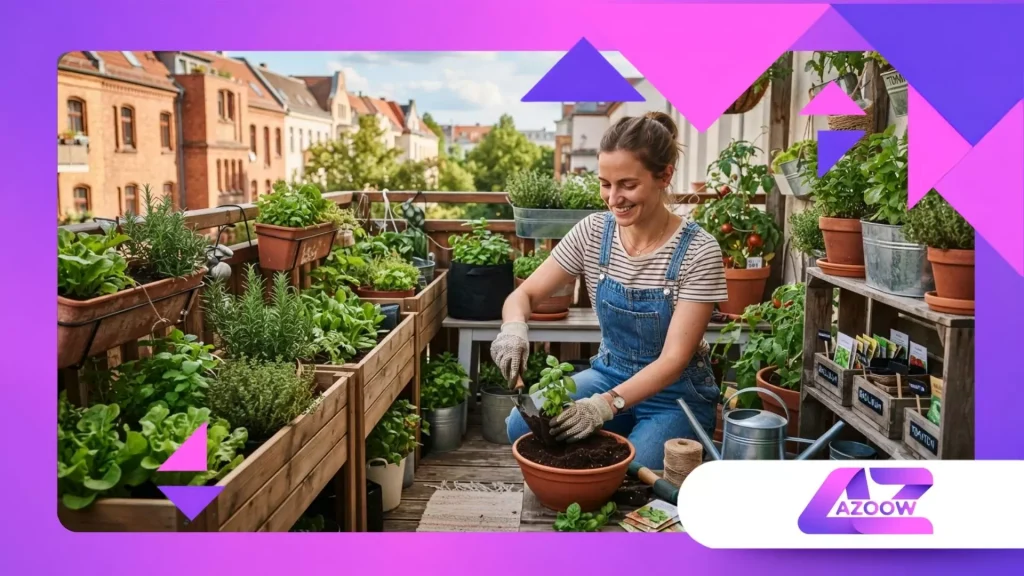
Which locations are suitable for getting started?
Before you begin, carefully observe how sunlight falls on your balcony or terrace, as most vegetable plants need at least six hours of direct light daily.
A south-facing balcony is ideal for Mediterranean herbs and tomatoes, while shadier north-facing balconies are perfect for leafy greens such as spinach, lamb's lettuce or various spicy mint varieties.
Start with a manageable number of pots instead of immediately overloading the entire space with heavy buckets, so as not to compromise the structure.
The urban gardening The principle is based on the art of the feasible, where every square centimeter is valuable and can be creatively expanded over time through clever shelving systems.
See also: Urban gardening winter harvest despite little sunlight
What should be considered when selecting containers and soil?
Use high-quality, peat-free organic soil that stores sufficient nutrients and provides a good structure for root development, because plants have limited space in pots.
Make sure that every container has a drainage hole at the bottom to avoid harmful waterlogging, which can quickly lead to the death of young plants, especially at cooler temperatures.
For optimal root ventilation, clay pots are often better than plastic containers because they can regulate moisture, although they are heavier and need to be watered more often.
A good start requires preparation, but with the right materials it's possible. urban gardening Projects are possible even without traditional garden soil, as raised beds can now be placed almost anywhere.
Which techniques maximize yield in the city?
How does vertical farming work?
Vertical gardening is the key to optimally expanding limited ground space by using walls, railings or hanging structures as additional growing areas for various crops.
Climbing plants such as beans, peas or cucumbers often only need a stable support structure to orient themselves upwards and form a green, opaque wall.
This method not only saves space, but also protects your plants from ground frost and pests, as they lose direct contact with the cold ground.
In the urban gardening Context means vertical design, utilizing the third dimension, which can almost double the yield, especially in cramped courtyards or on tiny city balconies.
See more: Food Forest City: Edible ecosystems in a small space
Which plant combinations increase productivity?
Mixed crops are very popular in permaculture because they protect each other and naturally maintain soil fertility in the long term through different root depths and nutrient needs.
For example, plant basil right next to tomatoes, as this combination not only harmonizes culinarily, but the basil also effectively repels pests with its intense fragrance.
Plan the planting distances carefully to ensure good air circulation between the leaves, which significantly reduces fungal infestation in damp urban weather.
The art of urban gardening It lies in observing growth and adjusting planting plans to get the best out of each container and each season.
| Plant type | Space requirements | Sun needs | Harvest period |
| radish | Very low | Medium | 4-6 weeks |
| tomatoes | High | High | 3-4 months |
| Herbs (mint) | Medium | Medium/Shadow | Year-round |
| lettuce | Small amount | Medium | 6-8 weeks |
Conclusion: Your path to becoming an urban gardener
Urban gardening is far more than a leisure activity; it is a conscious decision for sustainability and a better understanding of our natural resources in an urbanized world.
By taking responsibility for small areas, we make a direct contribution to species conservation and our own healthy diet, which is becoming increasingly important in times of global supply chains.
Start today with a single pot, watch your first seedlings grow and let the daily changes motivate you.
Have you already gained experience growing food on your balcony, or are you planning your first project for the coming season? Share your experiences in the comments.
Frequently Asked Questions
How often do I need to water my plants in an urban environment?
Soil in pots dries out much faster than in a garden bed; therefore, check daily with your finger whether the soil in the top few centimeters is already dry.
Is urban gardening possible in winter?
Many robust herbs such as thyme or hardy lettuces can survive the cold season outdoors, while sensitive plants need a protected place indoors.
Do I need a green thumb to get started?
Not at all, because there are plenty of easy-care varieties for beginners that will patiently continue to grow even with minor mistakes and guarantee initial success.