
Zero Waste Bathroom: How to reduce plastic and packaging
Advertisement
A bathroom without plastic sounds like a complicated project to many. But this is often precisely where the biggest change begins.
Because the bathroom is one of the places in the household where a lot of waste is generated daily – mostly through packaging, disposable products and unnecessary cosmetics.
A zero waste bathroom addresses precisely this: less waste, more conscious choices, and a space that not only looks clean but also functions sustainably.
Why the bathroom is a key location for zero waste
Anyone entering a bathroom immediately sees bottles, tubes, and jars. All packaged. All short-lived. Toothpaste in plastic, shampoo in disposable bottles, disposable razors, cotton pads – all of this usually ends up in the trash after just a few weeks.
Switching to a zero-waste bathroom not only helps to avoid waste, but also saves money in the long run, reduces harmful substances on the skin and brings more clarity to everyday life.
A zero-waste bathroom is more than a trend. It's a conscious decision for less consumption, for natural care, and for products that are reusable or biodegradable.
Once you get used to it, you quickly realize: It's not about deprivation. It's about freedom.
What you can specifically change – and how to begin
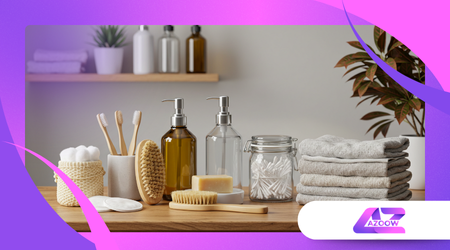
The best way to start is with small, achievable steps. A bar of soap instead of liquid shower gel. A bamboo toothbrush instead of plastic.
Refillable deodorant or toothpaste tablets in a glass jar. The selection of zero-waste bathroom products is constantly growing, and many of them are now available locally or easy to find online.
The packaging itself also plays a role. Glass instead of plastic, paper instead of foil – those who pay attention to this when shopping reduce waste simply by making a purchase decision.
And those who make certain things themselves – such as scrubs from coffee grounds or mouthwash from herbs – not only avoid waste, but also create a new awareness of ingredients.
++ Vertical gardening: Maximum harvest in minimal space
Zero waste also means: Less is more
An overcrowded bathroom shelf quickly looks chaotic. Many products are used simultaneously, while others gather dust unused.
Reducing the number of skincare products to a few, but high-quality ones creates clarity – and trust. Knowing what's in a product makes it easier to recognize what's good for your skin and what isn't.
Switching to a zero-waste bathroom often leads to greater mindfulness. People take time again for brushing their teeth, for post-shower skincare, or for consciously applying oil.
The focus is shifting from speed to quality. And this change has a positive effect on body and mind.
Challenges and solutions in everyday life
Of course, there are also obstacles. Not every city has a zero-waste shop. Some products in the supermarket are only available in plastic. But even here, creative thinking is possible.
Online shops with sustainable product ranges, swap meets or DIY recipes for bathroom cleaners and care products help to find alternatives.
Nobody has to change everything at once. Consistency is much more important. Replacing one product or trying a new solution each month will get you there step by step. And with each step, your understanding of your own consumption habits will grow.
How children and families can be involved
A zero-waste bathroom isn't just for individuals. Especially in households with children or multiple people, it's important to find shared solutions.
Children are easily inspired to adopt environmentally friendly habits – if they are allowed to participate in the decision-making process in an age-appropriate manner.
Colorful soaps, homemade care products, or jars filled together not only make everyday life more sustainable, but also more playful.
Conversations also help. Explaining why certain products are being replaced fosters understanding. And developing new routines together ensures that the bathroom becomes a conscious space for everyone – regardless of age.
Long-term impact on consumer behavior and well-being
A sustainable lifestyle often begins with small changes. Becoming more mindful in the bathroom quickly extends this attitude to other areas of life.
Choosing regional foods, avoiding fast fashion, or switching to a bicycle – all of this begins with the desire to live more consciously.
The zero-waste bathroom is therefore more than just an ecological project. It's a reflection of one's own values.
And those who groom themselves every morning in a room free of unnecessary clutter quickly realize: This change is good for them. Not only for the environment, but also for themselves.
The zero-waste bathroom as a space for change
A bathroom without plastic and single-use packaging changes more than just the amount of waste you produce. It changes how you perceive yourself.
It strengthens the feeling of having an influence on the environment. And it creates moments of calm in a space that is often characterized by haste.
A zero-waste bathroom isn't an ideal to be perfectly achieved. It's a journey. And this journey begins with curiosity, with the courage to change – and with the desire to leave the world a little bit better.
FAQ about the Zero Waste Bathroom
Why is the bathroom a good starting point for zero waste?
Because many disposable products are used here daily. The switchover quickly shows measurable results.
Do I need to replace everything immediately?
No. It is better to gradually replace products with sustainable alternatives when they are used up.
Are zero-waste products more expensive?
Often not. Many last longer, are refillable or reusable, and thus save money in the long run.
How can I find good zero-waste alternatives?
Online shops, zero-waste stores, and community recommendations are good sources. Homemade products often work very well too.
What do I do with old products?
They should ideally be used up before switching to a different system. Throwing them away would not be sustainable.
Can I get plastic-free bathroom cleaners?
Yes. Many cleaners can be made at home or bought as tablets wrapped in paper and dissolved in water.
Do solid products work just as well?
Yes. Solid shampoos, soaps, and deodorants are now comparable to conventional products in quality and effectiveness – often even better.
What is the biggest advantage of a zero-waste bathroom?
Besides reducing waste and conserving resources, it creates more clarity, calm, and a conscious sense of one's body.
How can I convince others?
By leading by example. Those who enthusiastically change their ways automatically inspire others.
How do I stay motivated?
Through exchange, small successes, and the good feeling of actively doing something for the environment.
Which materials are particularly suitable for sustainable bathroom use?
Glass, stainless steel, bamboo and cotton are considered particularly durable, recyclable or compostable – ideal for many bathroom products.
How can I maintain my zero waste routines while traveling?
Travel-sized products in refillable containers, solid products, and reusable wipes also help to avoid plastic when traveling.
Are there zero-waste solutions for menstrual products?
Yes. Menstrual cups, cloth pads or period underwear are sustainable alternatives to tampons and disposable pads.