
Voluntourism: Doing good on holiday – but properly
Advertisement
Voluntourism It combines travel with social engagement, but how can one help without causing harm?
In a world that increasingly values sustainable travel, this form of travel is gaining popularity. However, the combination of vacation and volunteer work carries risks.
Without preparation and critical selection, the desire to do good can have negative consequences. This article explores how. Voluntourism can be designed sustainably and responsibly.
With practical tips, current insights and clear guidance, we show how travelers can make a real contribution without burdening local communities.
The appeal of Voluntourism It lies in the connection between adventure and finding meaning. But good intentions alone are not enough.
The commercialization of this form of travel has often led to questionable practices that do more harm than good.
According to a study by Bread for the World (2018), 15,000 to 25,000 Germans use short-term [refugees/refugees] annually. VoluntourismOffers, often without sufficient preparation.
This article takes you on a journey through the opportunities and challenges of this type of travel, with the goal of making your commitment meaningful and sustainable. So how can we ensure that our involvement truly makes a difference?
What exactly is voluntourism?
Voluntourism combines vacation with voluntary work, often in social or environmental projects.
Travelers work in communities for a few hours or days at a time. The focus is on experiences, but helping others is paramount.
This type of travel is particularly appealing to young people who want to combine travel with purpose. However, the short notice of these assignments can cause problems. Without sound knowledge, volunteers risk disrupting local structures.
++ Soft tourism: considerate travel in sensitive regions
For example, Lisa, 24, taught English in Ghana for two weeks. She felt enriched by the experience, but the students needed long-term support. Such assignments can create dependencies if projects are not planned sustainably.
Proper organization is crucial for achieving a positive impact. Reputable providers like weltwärts support long-term projects with clear structures.
Travelers should question their motivation: Is it about helping others or about adventure? A clear answer maximizes the benefit for everyone involved.

The downsides of voluntourism
Short-term VoluntourismThese deployments can negatively impact local labor markets. Unqualified volunteers often replace local workers, which harms the local economy.
Children's homes are particularly problematic. Short-term relationships with volunteers can cause emotional harm to children. Reputable organizations avoid such projects.
Commercialization leads to questionable offerings. Some providers prioritize profit over sustainability, resulting in inadequate preparation of volunteers.
See more: 10 eco-friendly travel gadgets for on the go
For example, Markus paid 3,000 euros for a two-week assignment in Cambodia, but there were no clear tasks to be performed on site. Such experiences are frustrating and of little use.
Thorough research is essential. Platforms like fairunterwegs.org offer guides to identify reputable providers and avoid pitfalls.
Sustainability as the core of responsible voluntourism
Sustainable Voluntourism Respects local needs and promotes long-term development. Projects should involve local people, not replace them.
Travelers can strengthen the economy by choosing sustainable accommodations and supporting local businesses. TourCert-certified tour operators guarantee fair conditions.
A practical example: In Costa Rica, Anna supported a reforestation project run by locals. Her involvement strengthened the community in the long term.
Ecological sustainability is equally important. Projects such as nature conservation in national parks minimize environmental impacts and promote biodiversity.
See also: How to avoid waste when traveling
Travelers should choose projects that pursue transparent goals. Questions like "Who benefits?" help identify sustainable initiatives.
Practical tips for meaningful engagement
Thorough preparation is the key to meaningful action. Voluntourism. Find out about the target country and the project goals.
Choose projects that utilize your skills. Medical students can be more effective in healthcare projects than in childcare.
Long-term assignments, ideally four weeks or more, maximize the benefits. Short-term projects should be well-structured.
Avoid providers who advertise children's homes. Experts warn that such recruitment efforts often do more harm than good.
Ask for transparency: How are funds channeled? Are locals involved? Reputable organizations like DeeperTravel provide clear answers.
The role of self-reflection
Why do you want to help? This question is central to responsible behavior. VoluntourismHonest self-analysis prevents egocentric motivations.
Travelers should examine their expectations. A thirst for adventure is legitimate, but it shouldn't overshadow the need to help others. Clear goals promote meaningful efforts.
Cultural sensitivity is essential. Respect for local traditions avoids misunderstandings and strengthens intercultural exchange.
For example, Sophie learned basic knowledge of the local language before her assignment in India. This facilitated cooperation and showed respect.
Self-reflection protects against naive approaches. It ensures that your commitment truly makes a difference.
Voluntourism in Germany: An alternative
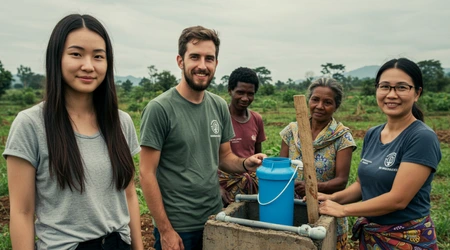
Voluntourism It's not limited to faraway countries. In Germany, there are numerous opportunities to get involved locally.
National natural landscapes offer projects such as nature conservation in biosphere reserves. Such projects are often free of charge and flexible.
Example: In the Black Forest, Max supported a renaturation project. He got to know the region and made a concrete contribution.
Local projects promote sustainable tourism and strengthen the community. They are ideal for shorter time slots.
Organizations like BUND-Reisen offer structured programs. They combine nature experiences with meaningful local engagement.
How to identify reputable providers
Reputable providers of Voluntourism They are characterized by transparency and sustainability. They offer clear information on projects and costs.
Check for certifications such as TourCert or Fair Trade Tourism. These guarantee ethical standards and local involvement.
Avoid providers with vague descriptions. Reputable organizations like Volunteer World list detailed project goals and requirements.
Ask: Are locals being trained? Are there long-term partnerships? The answers will show the reliability of a provider.
A table helps to compare criteria:
| criterion | Reputable provider | Questionable provider |
|---|---|---|
| transparency | Detailed project descriptions | Vague information about tasks |
| Local integration | Locals are in charge or benefit | Focus on volunteers |
| Preparation | Comprehensive training | Minimal or no preparation |
| Certifications | TourCert, Fair Trade Tourism | No certificates or questionable certificates |
The future of voluntourism
The demand for Voluntourism It's growing, but the focus is shifting towards greater responsibility. Travelers are demanding authentic, sustainable experiences.
Technology makes planning easier. AI tools like GuideGeek suggest suitable projects based on interests and skills.
At the same time, awareness of ethical standards is growing. Organizations like forum anders reisen (forum for alternative travel) rely on transparent criteria.
Travelers are becoming more critical. They question whether their trip truly brings long-term benefits or only short-term experiences.
2025 could be a turning point: Voluntourism It will either become more sustainable or risk fading away as a mere trend.
Conclusion: Prioritize responsibility over adventure
Voluntourism It offers the chance to combine travel with purpose, but requires careful planning. Good intentions alone are not enough.
Through thorough preparation, critical selection, and self-reflection, travelers can make a real contribution.
Sustainability means respecting local needs and prioritizing long-term impact. Ask yourself: Do you just want to travel, or do you want to make a real difference?
With the right steps, your commitment will enrich everyone. Use platforms like fairunterwegs.org to find reputable projects and make a difference responsibly.
Frequently Asked Questions (FAQ)
1. What is the difference between voluntourism and voluntary service?
Voluntourism combines holidays with short-term engagement, while voluntary service is long-term and non-profit in nature.
2. How do I find reputable voluntourism providers?
Look for certifications like TourCert, check for transparency and local involvement. Platforms like Volunteer World can help.
3. Are short-term deployments worthwhile?
They can be beneficial if they are well-structured and respect local needs. Longer-term deployments are often more sustainable.
4. Can voluntourism be harmful?
Yes, especially in children's homes or during unqualified deployments. Inform yourself to avoid negative consequences.
5. Is there voluntourism in Germany?
Yes, projects such as nature conservation in national parks or social initiatives offer meaningful opportunities to help locally.
Sources: