
Soft tourism: considerate travel in sensitive regions
Advertisement
Sustainable tourism stands for a form of travel that respects nature, culture, and people. In times of growing environmental problems and social challenges, this philosophy is gaining importance.
Sensitive regions such as nature reserves or cultural hotspots require special consideration to preserve their uniqueness.
This article highlights how travelers can make a positive contribution through conscious behavior.
From choosing sustainable transport to supporting local communities, we show how soft tourism changed the world.
So why not make your next trip more sustainable? Be inspired to take responsibility and preserve the world's beauty for future generations.
Why sustainable tourism is crucial in sensitive regions
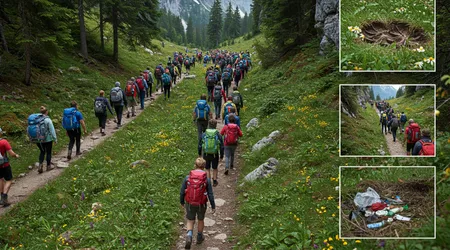
The fragility of sensitive regions makes soft tourism essential. Nature reserves like Berchtesgaden National Park suffer from mass tourism.
Overcrowded hiking trails harm flora and fauna. According to a study by the Federal Environment Agency (2023), 61 percent of Germans want sustainable travel. Conscious travel protects ecosystems and strengthens local economies.
One example is the Valbona Valley in Albania. Here, local hosts promote sustainable hiking tourism that preserves nature.
++ How to avoid waste when traveling
Travelers benefit from authentic experiences without harming the environment. Sustainable tourism means finding the balance between enjoyment and protection.
At the same time, it prevents social inequalities. In sensitive regions like Zanzibar, mass tourism often leads to land displacement.
Sustainable approaches, on the other hand, promote fair working conditions and local value creation. This ensures that tourism remains a blessing, not a curse.
Practical ways for sustainable travel
Sustainable tourism It starts with travel planning. Taking trains or buses instead of planes significantly reduces CO₂ emissions.
Deutsche Bahn offers climate-friendly connections to many destinations. Accommodations with certifications like TourCert guarantee environmentally conscious management.
Imagine a treetop walk in the Black Forest becoming the backdrop for your journey. In Bad Wildbad, sustainable accommodations combine nature experiences with regional cuisine.
Such places show how tourism and nature conservation can harmonize.
Travelers can promote local products. On the Black Forest Cheese Route, organic cheese dairies support the region.
See more: How to find local and sustainable travel providers
Every purchase strengthens local suppliers and protects the landscape. Sustainable tourism is a conscious decision for sustainability.
Another approach is avoiding single-use plastic. Hotels like TUI's "Green & Fair" properties reduce waste through sustainable alternatives.
Travelers contribute to waste prevention through simple measures such as reusable bottles.
Challenges and solutions in ecotourism
Sensitive regions are threatened by overexploitation and cultural alienation. Sustainable tourism offers solutions, but implementation is complex.
Visitor numbers in nature reserves must be regulated to minimize damage. The Wadden Sea National Park relies on limited access quotas.
A practical example: The island of Juist is aiming for carbon neutrality by 2030. Car-free mobility and rail travel reduce emissions. Such initiatives show how soft tourism achieved concrete results.
See also: Cruises and Sustainability: A Critical Review
Nevertheless, there are hurdles. Sustainable options are often more expensive, which deters travelers. Platforms like Bookitgreen help find affordable eco-friendly accommodations. Transparent communication about sustainability measures builds trust.
Education plays a key role. Workshops for travelers, such as those offered by the WWF, promote environmentally conscious behavior.
In this way, tourists learn to minimize their ecological footprint and respect the culture.
The role of local communities
Sustainable tourism strengthens local communities. In Costa Rica, eco-lodges promote sustainable income sources.
Locals offer tours that combine nature and culture. This creates jobs and protects the environment.
In Germany, Saarland is showing how it's done. As the first sustainable federal state (TourCert-certified), it relies on bioenergy villages and regional products. Travelers experience authentic culture, while locals benefit.
Community-based projects, such as those in Thailand, enable cultural exchange. Tourists stay in villages and support local artisans. Such approaches promote respect and economic stability.
Another example is the “Biosphere Breakfast” initiative in Berchtesgadener Land.
Regional food strengthens the local economy and reduces transport emissions. Sustainable tourism combines enjoyment with responsibility.
Certifications and their significance
Sustainability certificates like Viabono or the EU Ecolabel guide travelers to environmentally friendly offers. They guarantee resource conservation and fair working conditions. Transparency is crucial here.
In Sweden, the "Naturens Bästa" label helps travelers find sustainable accommodations. It helps travelers identify providers that are ascended. Sustainable tourism becomes more tangible through such labels.
Certifications prevent greenwashing. Some providers use "sustainable" as a marketing ploy. Reputable seals like GSTC offer security. Travelers should check the criteria.
A glance at a hotel's website often reveals its commitment. Sustainable establishments communicate openly about energy efficiency or waste reduction. soft tourism credible.
Statistics and comparison: CO₂ emissions in tourism
| Means of transport | CO₂ emissions per person (kg/100 km) |
|---|---|
| Airplane | 28,5 |
| car | 10,4 |
| Train | 2,8 |
| long-distance bus | 3,2 |
Source: Federal Environment Agency, 2023
This table shows why the choice of transport is crucial. Trains and buses are significantly more climate-friendly than flights or cars.
The future of sustainable tourism
The demand for soft tourism is growing. Travelers are demanding more responsibility from providers. Technology like big data is helping to optimize sustainable travel planning. Apps are showing low-carbon routes.
Regional initiatives like those in the Black Forest inspire the world. Sustainable cheese dairies and winemakers demonstrate how tourism strengthens the local economy. The future lies in cooperation.
Political support is crucial. Ecotourism funding programs, such as those in Austria, create incentives. Travelers and providers must share responsibility.
A look at Costa Rica demonstrates the potential. National parks and certifications promote biodiversity and economic stability. Sustainable tourism is a global role model.
Conclusion
Sustainable tourism is more than a trend; it's a necessity. Sensitive regions like the Wadden Sea National Park and the Valbona Valley need protection.
Travelers contribute to this through conscious choices such as train travel or local shopping. The analogy of a garden is apt: without care, it wilts; with care, it blooms.
Let's treat the world like a garden. The future of travel lies in our responsibility for nature, culture, and future generations.
Frequently asked questions about sustainable tourism
What is soft tourism?
A form of travel that protects the environment, culture, and local communities through sustainable practices and respectful behavior.
Is sustainable travel more expensive?
Not necessarily. Platforms like Good Travel offer affordable eco-friendly accommodations. In the long run, you save money by using fewer resources.
How do I find sustainable offers?
Seals like TourCert, Viabono, or the EU Ecolabel are helpful. Provider websites provide insight into sustainability measures.
Which means of transport are best?
Trains and long-distance buses emit less CO₂ than planes or cars (see table above). Plan environmentally friendly routes.