
Slow Travel Europe: Fewer places, deeper travel experiences
Advertisement
Slow Travel Europe By 2026, it is no longer a niche market, but rather the answer to the growing longing for genuine deceleration and authentic encounters.
While mass tourism often leaves behind only fleeting selfies, this trend focuses on quality rather than quantity, thereby specifically conserving our valuable ecological resources.
Today, travelers are increasingly seeking a deeper connection to the places they visit, rather than randomly ticking off sights on an endless list.
This philosophy transforms the holiday from a stressful logistical task into an enriching life experience that consciously focuses attention on the here and now.
- The essence of deceleration: Why fewer places offer more relaxation.
- Ecological footprint: How conscious travel protects the environment.
- Cultural Immersion: Ways to genuine encounters with locals.
- Planning aids: Strategies for stress-free travel organization.
Why does slow travel change our understanding of vacation?
The classic „Abitzhaken tourism“ often leads to exhaustion instead of relaxation, as the constant movement and sensory overload massively overwhelm the brain.
Slow Travel Europe It acts as an anchor, allowing us to truly understand and sustainably internalize the soul of a place.
Imagine reading a book word for word, instead of just skimming the summary.
It is precisely this difference that defines the deeper travel experience, where details and local peculiarities finally receive the space they deserve.
What does conscious deceleration actually mean?
In practice, this means spending a whole week in a small village in Tuscany, instead of rushing through five major Italian cities.
You get to know the baker, understand the local traditions and develop a real sense of the rhythm of daily life.
This approach not only reduces travel stress but also promotes mental health through mindful moments.
Why should we rush through our vacation when the goal is actually to relax from our already hectic everyday lives?
++ Sustainable travel 2026: What has changed for holidaymakers
How do the environment and climate benefit from this trend?
Staying in one place for a longer period significantly reduces emissions from domestic flights or long car journeys.
According to data from the European Environment Agency, traveling by train saves an average of over 75 % of CO2 emissions compared to traveling by plane.
Furthermore, slow travel supports the local economy more directly, as travelers are more likely to stay in owner-operated guesthouses and buy regional products.
This strengthens the infrastructure away from the overcrowded hotspots and protects sensitive ecosystems from destruction caused by excessive visitor numbers.
What are the advantages of immersing oneself in local cultures?
Those who take their time can look behind the facades of tourist traps and discover the true treasures of a region.
At the Slow Travel Europe The movement is about becoming a temporary part of a community, rather than just being a paying guest with a camera.
A wonderful example is hiking on the „Cami de Cavalls“ in Menorca, where you can explore the coast for days.
You discover secluded bays and hidden craft workshops that are not listed in any quick travel guide, thus supporting the preservation of local cultural monuments.
See more: 10 sustainable travel destinations off the beaten track
Why is the choice of accommodation so crucial?
Small, sustainable accommodations often offer a personal contact with the hosts, which is completely lost in large hotel chains.
These houses are often integrated into historic buildings, giving the stay a distinctive character and a very special, authentic atmosphere.
This proximity allows for first-hand tips that go far beyond internet knowledge.
You can find out where the best olive oil is pressed or which path leads to the most beautiful, undisturbed sunset over the cliffs.
See also: Fair Trade on holiday: Buy souvenirs with a clear conscience
How can the perfect balance between structure and freedom be achieved?
A relaxed travel plan deliberately leaves gaps for spontaneous discoveries and unexpected invitations from locals.
Instead of scheduling every hour, you define only a few key points and let the rest of the day flow organically and completely freely according to your mood.
This feeling of freedom is the true luxury of our time, which one can achieve through Slow Travel Europe can be recaptured.
It's not about doing nothing, but about experiencing what you do with full attention and genuine enthusiasm.
How do you effectively plan a sustainable slow journey?
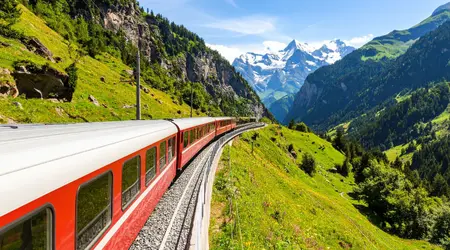
Smart planning begins with the choice of transport options, and rail in Europe today offers excellent, comfortable connections.
Slow Travel Europe Use night trains or regional trains to experience the journey itself as a valuable part of the adventure and relaxation.
Compare the different options and choose routes that are less well-known.
Often the most beautiful experiences are just a short train ride away from the major centers in the idyllic, unspoiled and hospitable province.
What role does digital detox play in this?
To truly immerse yourself, the smartphone should more often remain in your pocket and not disturb the direct perception of your surroundings.
Digital maps are helpful, but asking a passerby for directions can be the start of a wonderful, unforgettable story.
When was the last time you enjoyed the sounds of a forest or the scent of a market without digital distractions?
Reducing screen time intensifies sensory impressions and makes memories of the trip much more vivid and lasting.
Why should travelers take advantage of seasonal differences?
Traveling in the off-season relieves the pressure on destinations and offers a much quieter, almost private experience of nature and architecture.
Prices are often fairer, and locals have more time for genuine interaction due to the absence of seasonal crowds.
In a wintry mountain village or on an autumnal coast, the true identity of a place often becomes much clearer.
Slow Travel Europe Use these quiet phases to establish an honest and genuine connection with the environment and its inhabitants.
Comparison of travel approaches (weekly basis)
| criterion | Mass tourism | Slow Travel Europe | effect |
| Number of locations | 4-6 cities | 1-2 regions | Deeper bond |
| means of transport | short-haul flights | Train / Bicycle | CO2 savings |
| Accommodation | Large hotel chains | Eco-guesthouses / agriturismo | Local value creation |
| Catering | Fast Food / Chains | Regional markets / Slow Food | Cultural enjoyment |
| Memory value | Superficial (photos) | Intensive (stories) | Sustainable happiness |
Europe offers an unparalleled diversity in a very small space, practically inviting you to slow down and take a closer look.
Those who are interested in Slow Travel Europe By making this decision, we gain time for what is essential and simultaneously protect the beauty of our continent for future generations.
Paradoxically, reducing the number of places leads to a much richer treasure trove of experiences that continue to have an impact on everyday life long after returning home.
Ultimately, the goal of every journey is not the arrival, but the conscious being in a place that touches us and perhaps even changes us a little.
Give yourself the freedom to set your own pace and discover the world with new, mindful eyes.
Which region in Europe would you love to explore for two weeks straight, without any time constraints or a fixed schedule? Share your experiences and dreams in the comments!
Frequently Asked Questions
Isn't slow travel much more expensive than a package holiday?
No, it is often even cheaper, as there are lower transport costs and longer stays often get you discounts in holiday apartments or local guesthouses.
How can I find sustainable accommodation in Europe?
Look for certificates such as the EU Ecolabel or use specialized booking platforms for ecotourism that check strict social and environmental criteria.
Is slow travel also suitable for families with children?
Absolutely, as children often respond better to a stable location and can explore nature more intensively without being overwhelmed by constant changes of location.
Do I need a lot of vacation time in one go for slow travel?
Not necessarily. Even a long weekend can be structured according to the slow principle if you concentrate on a single, nearby place.
How do I deal with the fear of missing out?
Slow travel teaches us that we can never see "everything" anyway. The depth of an experience is more valuable than the number of facades seen.