
How to properly care for clothes to extend their lifespan

Advertisement
How to properly care for your clothes A key to sustainable fashion that protects the environment and preserves your style. In a world where fast fashion, with its rapid consumption cycle, burdens the environment, properly caring for your clothes is an act of responsibility.
Sustainability means not only shopping consciously, but also treating clothes in a way that makes them last a long time.
This article shows you how to extend the lifespan of your wardrobe with simple but clever measures.
From choosing the right detergent to repairing minor damage, every decision counts. According to a study by the European Environment Agency (2023), 5.8 million tons of textiles are disposed of annually in the EU, which equates to 11 kilograms per person.
With targeted care, you can reduce this mountain of waste. Imagine your favorite jeans were like a good friend: with a little care, they'll stay loyal to you for a lifetime. Ready to make your clothes a lifelong companion?
Why proper care is sustainable
Sustainability begins not only with the purchase, but also with the care. How to properly care for your clothes This means saving resources and avoiding waste. Every wash consumes water, energy, and chemicals that can pollute the environment.
By washing less often but more selectively, you significantly reduce your ecological footprint. You also preserve the quality of your fabrics, making new purchases unnecessary. Sustainable care is a statement against the throwaway mentality of fast fashion.
Textile production consumes immense resources: A pair of jeans requires about 8,000 liters of water. How to properly care for your clothes conserves these resources through longer use.
++ Fair fashion for the small budget: Affordable and sustainable
This way, you not only extend the lifespan but also the story of your clothes. Imagine a garment telling the tale of your adventures instead of ending up in a landfill. Sustainable care is a conscious step for the planet.
Another advantage is the financial savings. High-quality, sustainable fashion is often more expensive, but with proper care it stays looking new for longer.
How to properly care for your clothes Save money and support fair supply chains. This way you promote sustainable brands that prioritize ethical standards. Your choice of skincare is a small but powerful contribution to change.
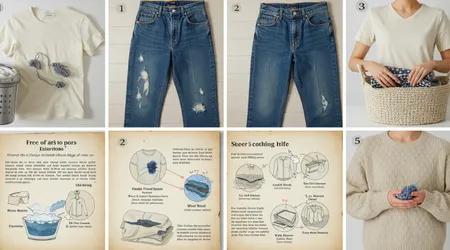
The right washing technique for longevity
Wash less, wash better – that's the motto for sustainable care. Washing machines are often the biggest enemies of delicate fabrics.
Choose low temperatures, ideally 30 degrees, to protect fibers. Use environmentally friendly detergents without microplastics, such as those with GOTS certification. This way you protect both clothes and waterways.
Hand washing is ideal for delicate fabrics such as silk or wool. How to properly care for your clothes This means taking care instructions on labels seriously.
Use a laundry bag for delicate items to minimize friction. For example, my favorite organic cotton blouse stayed like new for five years thanks to hand washing. Small changes in your routine make a big difference.
See more: Greenwashing in the fashion industry: How to recognize it
Avoid using a tumble dryer, as it damages fibers and consumes energy. Air drying in fresh air is environmentally friendly and gentle.
How to properly care for your clothes This also means pretreating stains instead of throwing everything in the washing machine. A drop of bile soap on a coffee stain often works wonders. This way, your clothes stay fresher for longer.
| Type of care | material | Recommended method | Environmental benefit |
|---|---|---|---|
| Hand wash | Silk, wool | 30 degrees, mild detergent | Saves water and energy |
| Cold wash | organic cotton | 30 degrees, Eco program | Reduces CO₂ emissions |
| Air dry | All materials | Outdoors, in the shade | No energy consumption |
| Stain treatment | Cotton, linen | Gall soap, targeted application | Prevents unnecessary washing |
Repair instead of throwing away
A small tear is no reason to give up on your clothes. Repairing them is sustainable and gives your wardrobe character. Learn simple sewing techniques or visit a tailor.
For example: My favorite sweater got a hole, which I repaired with a colored patch; now it's unique. How to properly care for your clothes That means appreciating them.
Secondhand platforms and repair cafés offer creative solutions for damaged clothing. Many sustainable brands, such as Nudie Jeans, offer free repairs.
This way, your jeans stay in circulation instead of ending up in a landfill. Repairing saves resources and promotes a circular economy.
See also: DIY Upcycling: Make old things new – creative ideas for old clothes
Furthermore, repairing clothes fosters your creativity. Upcycling transforms old clothes into new treasures. An old T-shirt becomes a trendy bag.
How to properly care for your clothes It means reinventing them. Have you ever thought about what else your old jeans could be? Repairing is an act of love for fashion.
Understanding and protecting materials
Each material has its own needs. Organic cotton is robust, but sensitive to high temperatures.
Wool requires gentle care to prevent felting. Read labels carefully to avoid mistakes. Sustainable materials like lyocell are biodegradable, but only durable with proper care.
Recycled polyester, often called rPET, is easy to care for, but it releases microplastics. Use a laundry bag with a microplastic filter to protect the environment.
For example: My sneakers made from recycled PET stayed like new thanks to cold washing and air drying. How to properly care for your clothes That means understanding materials.
Innovative materials such as Piñatex or algae fibers will gain importance in 2025. These materials are sustainable, but often delicate.
Avoid harsh cleaning methods to preserve their functionality. Learn about the origin of your clothing to understand its care requirements. Knowledge is key to longevity.
Sustainable storage for long-term protection
How you store clothes affects their lifespan. Avoid tight closets that cause creases and pressure marks.
Use wooden hangers for jackets and dresses to help them retain their shape. Mothproofing made from natural cedar wood protects wool without chemicals. Sustainability starts in the wardrobe.
Seasonal clothing should be stored clean and dry. Vacuum bags save space but can damage delicate fabrics.
Use cotton bags for breathable storage. My winter coats stay fresh and moth-free in cotton bags. How to properly care for your clothes It also protects them during breaks.
Improper storage can cause mold or discoloration. Store in dry, dark places to protect fabrics. Regularly ventilating the closet will prevent moisture buildup.
Sustainable storage is simple yet effective. Your wardrobe becomes a treasure trove of long-lasting fashion.
The role of consumer behavior
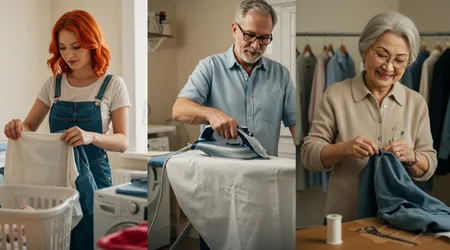
Sustainable care begins with conscious consumption. Buy less, but buy high-quality products. Timeless designs outlast trends and reduce the need for new items.
A capsule wardrobe with versatile pieces is ideal. This way you minimize overconsumption and support sustainable brands.
Secondhand shopping or clothing swaps are alternatives to fast fashion. These options save resources and give clothes a second life.
Consider this: Do you really need a new T-shirt, or can you upgrade an existing one? Conscious consumption complements care and closes the sustainable cycle.
Certifications like GOTS or Fair Wear Foundation help you identify sustainable brands. Find out about production conditions before you buy.
Your choices influence the fashion industry. Sustainable consumption and care go hand in hand for a better future.
Conclusion: Sustainable care as a lifestyle
How to properly care for your clothes It's more than a task; it's a lifestyle that combines environment and style. Every small action, from conscious washing to creative repairs, contributes to sustainability.
Your clothes tell stories that live on through care. Imagine your wardrobe is like a garden: with care, it blossoms.
Start today, choose sustainable methods, and inspire others. Sustainable fashion isn't a fad, it's a movement. Join us and help shape the future of fashion!
Frequently Asked Questions (FAQ)
How often should I wash my clothes?
Only wash when necessary! Air out clothes like sweaters or jeans to remove odors, and wash only when stained. This saves water and protects fabrics.
Which laundry detergents are sustainable?
Choose GOTS-certified or plant-based detergents without microplastics. Brands like Seepje offer eco-friendly alternatives that protect waterways.
Can I store all the materials in the same place?
No, delicate fabrics like wool need breathable cotton bags, while robust materials like cotton can be stored more easily.
Why is repairing better than throwing away?
Repairing saves resources, reduces waste, and gives clothes character. It supports the circular economy and makes your wardrobe unique.
How can I recognize sustainable clothing?
Look for certifications like GOTS, Fair Wear, or Cradle-to-Cradle. Research the brand and choose natural or recycled materials.
This article offers you practical, actionable tips to How to properly care for your clothes and thus extend the lifespan of your wardrobe.
Start now, act consciously and contribute to the sustainable fashion movement!