
Energy efficiency in old houses: tips and solutions.
Advertisement
Energy efficiency In old houses, this is an important topic that is gaining in importance in times of rising energy prices and growing environmental awareness.
The implementation of energy-efficient renovations can not only the Energy consumption not only significantly reduce costs, but also increase quality of life. More and more homeowners are looking for sustainable tips, to enhance the charm of their Old buildings to preserve the existing character while integrating state-of-the-art technologies.
In this article, we will give you practical advice on how to improve the energy efficiency of old houses as well as insights into funding programs and innovative solutions to successfully overcome this challenge.
Introduction to Energy Efficiency
Energy efficiency Energy plays a crucial role in today's society. It describes the relationship between the benefit of a given amount of energy and the amount of energy required to produce it. The focus is on reducing the energy consumption, which not only saves costs, but also leads to resource conservation Buildings account for around 40 percent of energy consumption and 30 percent of CO2 emissions in the EU, highlighting the importance of measures to increase Energy efficiency underlines.
By 2033, all buildings in the EU must achieve a medium energy efficiency rating. Two-thirds of all residential buildings in Germany were built before 1980. Unfortunately, many of these buildings are inefficient. Tens of thousands of owners must comply with the new EU renovation obligation, which aims to improve energy efficiency standards. This affects around 45 percent of property owners in Germany and is expected to encompass over 14 million homes and apartments.
The need for energy-efficient building renovations requires significant investment. The KfW Development Bank estimates that approximately €254 billion is needed for this purpose in Germany. The German government has set targets that prioritize the installation of heat pumps as a key measure for improving energy efficiency. energy efficiency Promote the installation of one million heat pumps annually starting in 2024, which, in addition to subsidies, will also lead to... resource conservation leads.
The importance of energy efficiency in old buildings
The Importance of energy efficiency in old buildings The need for climate protection is constantly increasing. To achieve greenhouse gas emission reduction targets, owners of Old buildings the necessary measures for energy efficiency modernization Implement this promptly. Residential buildings are responsible for 231,000 of the total CO2 emissions in Germany, which presents a significant potential for reducing these emissions.
The political efforts to achieve a climate-neutral building stock by 2050 encompass approximately 18 million residential buildings and 1.5 million non-residential buildings. This underscores the urgency of addressing the climate change to actively combat it.
To improve the energy efficiency of Old buildings To improve energy efficiency, various structural measures are required. For example, insulating facades, which typically has a payback period of about 10 years, can lead to a significant reduction in heat loss. Furthermore, triple-glazed windows reduce heat loss by up to 80%. A well-planned energy-efficient renovation This not only contributes to lower energy costs, but also to improving building values.
On this page Comprehensive information on energy efficiency classes is available, which helps assess the energy-saving potential in older buildings. Paying attention to progress in energy-efficient renovation will be crucial to achieving the targeted climate goals.
Energy efficiency in old houses
Older houses often have high primary energy demand, meaning that a large portion of the energy is needed for heating, ventilation, and hot water. A targeted approach modernization offers diverse Potential for improvementBy investing in good insulation and modern windows, owners can significantly reduce transmission heat losses.
When renovating, it's important to keep the number of apartments in the building after the refurbishment in mind. The value of a single-family home can increase by up to 17 percent through renovation to the next higher energy efficiency class, which can significantly influence the decision to implement such measures. Increased energy efficiency which makes it particularly attractive. Statistics show that two out of three single-family homes built before 2013 perform worse than energy efficiency class D.
This situation leads to a significant price difference between the various energy efficiency classes. For example, the price per square meter for older buildings in energy efficiency class H is €2,289, while houses in class D achieve an average price of €3,219. Such differences clearly demonstrate that the modernization not only ecological Advantages but can also be economically sensible.
Fundamentals of energy-efficient building renovation
The energy-efficient renovation Energy efficiency refers to a variety of measures for improving the energy efficiency of buildings. The focus is on optimizing heating systems and thermal insulation. Properly implemented insulation not only reduces heating costs but also increases living comfort. Particularly in older buildings, which are often poorly insulated, there is considerable potential for effective energy efficiency improvements. renovation measures.
The Energy Saving Act (EnEG) forms the legal basis. basics for the requirements of the Energy Saving Ordinance (EnEV), which, among other things, regulates thermal insulation and energy-saving building services engineering. However, there are exceptions to these requirements for so-called "buildings of particular historical value." In the case of listed buildings, the preservation of the monument must be prioritized, which leads to special challenges and opportunities in the energy-efficient renovation leads.
Investors often benefit from low-interest loans from the KfW (German Development Bank), which are intended for the energy-efficient renovation are provided for older buildings. These financial incentives help to encourage investment in the necessary renovations. renovation measures to promote and achieve a sustainable change in the building fabric in order to minimize CO2 emissions.
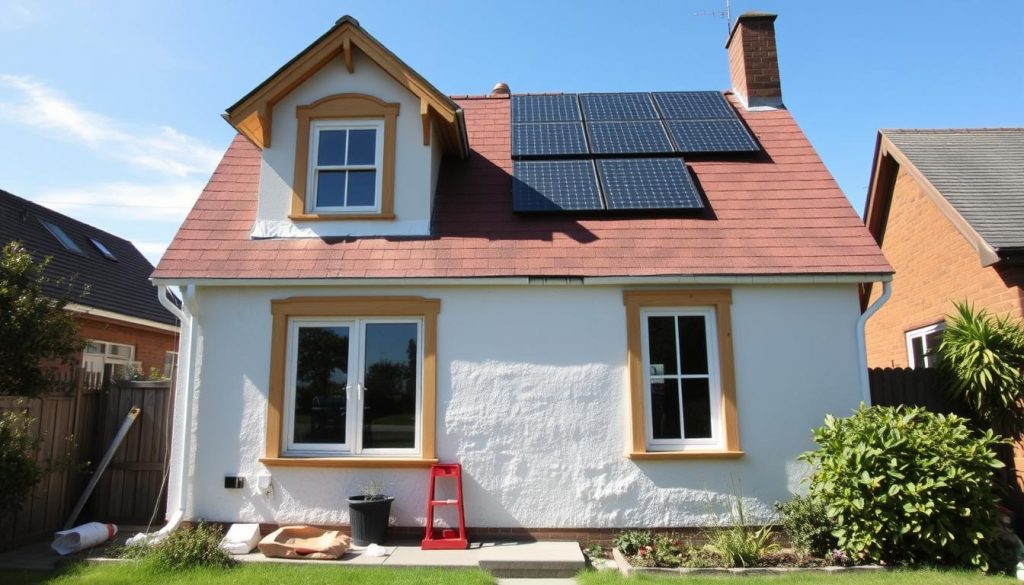
Small but targeted measures can be used to... energy-efficient renovation Significant energy cost savings can already be achieved. These include, among other things, replacing heating systems, insulating heating and hot water pipes, and improving roof insulation. Investing in modern technologies, such as combined heat and power plants and cogeneration units, also offers the opportunity to further increase energy efficiency.
To learn more about specific renovation measures and their Advantages Those interested can find detailed information at Remediation obligation view.
Practical tips for increasing energy efficiency
Around the Energy efficiency in the household to increase, there are many practical tipsThese measures can be implemented immediately. One small, simple step is adjusting the heating temperature. Every degree less on the heating can save up to 6 liters of heating energy. This results in an attractive cost reduction, which many households hardly notice.
Water-saving faucets are another measure to take. These help reduce water consumption, which also has a positive effect on energy costs. Purchasing energy-efficient appliances rated A+++ is important for many. Such appliances consume significantly less electricity compared to older models.
Another effective tip is to use LED lighting. These lamps require up to 80% less energy than traditional incandescent bulbs. Sealing windows and doors helps prevent heat loss, thus reducing heating costs. Good insulation can even save up to 30% on heating costs.
Comparison table of heating efficiency:
| heating system | efficiency | Energy saving (%) |
|---|---|---|
| Modern boilers | Over 90 % | 50% |
| Older boilers | Below 70 % | – |
| Condensing boiler | Efficient through exhaust gas heat | Up to 15% |
Replacing old windows and doors also helps to significantly reduce heat loss. Furthermore, installing a ventilation system with heat recovery can significantly lower heating requirements. Creating an individual renovation roadmap (iSFP) may qualify you for higher subsidies.
Effective renovation measures for old houses
Around the energy efficiency old houses To improve sustainably, targeted measures are needed. renovation measures Essential. First, the building envelope should be insulated to minimize heat loss. Replacing old, leaky windows can significantly reduce heating costs, often by 10-20%. New windows usually pay for themselves within 8-15 years, thus contributing to a better return on investment in renovations.
Another important step is the modernization of the heating system. Switching to a heat pump can save up to 40% on heating costs in the first year. For comprehensive Remediation measures KfW loans of up to 150,000 euros are available, supplemented by repayment subsidies for the implementation of the efficiency house standard.
In addition, the following measures must be taken into account:
- Installation of solar thermal systems for annual heating cost savings of up to 750 euros.
- Individual restructuring roadmaps (iSFP) for the optimal use of financial incentives.
- Effective insulation, especially in older buildings constructed before 1949, to prevent significant energy losses.
The investments in a energy-efficient renovation They typically pay for themselves within 5 to 10 years, especially given rising CO2 prices.
Modern heating systems and their advantages
The switch to modern heating systems, such as heat pumps and condensing boilers, offers numerous advantages in relation to the energy efficiencyThe use of these systems enables a significant reduction in energy consumption and contributes to lowering CO2 emissions. From 2024, new heating systems are required to be powered by renewable energy sources for at least 65%, which underscores the importance of these technologies.
Heat pumps, in particular, utilize environmental energy, drawing up to 75% of the required heat from natural sources. This makes them an ideal solution for older buildings, where fossil fuels such as gas or oil are often still used. energy efficiency The efficiency of these systems ranges between 300 and 500 percent, which is remarkable compared to conventional gas heating systems that reach a maximum of 100 percent.
Financially, they offer modern heating systems Attractive subsidies are available. Homeowners can currently receive grants of up to 401,000 euros towards the purchase price. The cost of a heat pump ranges from €25,000 to €35,000. Combined with the high subsidy rates of up to 701,000 euros, switching to sustainable heating systems is becoming increasingly financially attractive.
Additionally, switching to modern heating technologies results in energy savings of up to 851 TW (3,000 pounds) in renovated older buildings. Owners can save up to 301 TW (3,000 pounds) on heating costs by switching from a conventional gas heating system to a heat pump. It is clear that the introduction and use of modern heating systems is crucial for improving... energy efficiency in old buildings.
Use of renewable energies
The use of renewable energies plays a crucial role in improving energy efficiency in older homes. By installing Solar systems Photovoltaic and solar thermal systems can significantly reduce energy costs. These systems not only contribute to cost savings but also promote… sustainability and environmental protection.
In Germany, approximately 35 percent of final energy consumption comes from the building sector, making it necessary to focus more on renewable energy to implement. Efficient solutions are particularly important with regard to hot water preparation, which accounts for approximately 10 to 15 percent of the final energy consumption of private households. Solar thermal energy is gaining increasing importance in this context. Furthermore, switching to heating systems with a solar thermal share of at least 65 percent is possible. renewable energies, the fossil Energy consumption to significantly reduce.
The German Federal Government is promoting energy-efficient building renovations with up to €17 billion by 2020. Measures like these demonstrate that investments in renewable energy not only are they ecologically sound, but also through financial incentives be made attractive. The legally required transition to renewable energy For new heating systems from January 2024 onwards, this represents a further step towards climate neutrality.
| measure | To use |
|---|---|
| Installation of Solar systems | Cost reduction at Energy consumption, promoting the sustainability |
| Heat pumps are used | Efficient heating technology, low operating costs |
| Thermal insulation | Reduction of heat demand, savings on heating costs |
The focus on renewable energy Energy efficiency in buildings is a crucial step towards achieving Germany's climate targets by 2050. This requires not only technological changes, but also a rethinking of the planning and use of buildings.
Government subsidies and financial incentives
The energy-efficient renovation Energy efficiency measures for buildings are a necessary step to achieve the EU's climate goals. Government subsidies These programs play a central role in this process. They offer homeowners various ways to mitigate the costs of renovations and modernizations.
A notable financial incentive is the subsidies available through the Federal Funding Program for Efficient Buildings (BEG). These subsidies comprise several sub-programs, such as the BEG for residential buildings and individual measures. Through these subsidies, up to 20 million euros of the investment costs for measures on the building envelope and up to 50 million euros for heating system optimizations can be reimbursed.
For the energy-efficient renovation of residential buildings, owners can receive up to 70% of the investment costs for replacing old boilers. Combining financial incentives with the involvement of energy efficiency experts can further increase the chances of success. It should be noted that certain measures affecting the building envelope require the expertise of specialists to be eligible for funding.
An important measure to Cost reduction This includes utilizing KfW programs, which offer, among other things, low-interest loans for complete renovations to achieve KfW Efficiency House standards. Support ranges up to €150,000 with repayment subsidies of up to €67,500.
Additional subsidies, such as the income bonus for households with a taxable income of up to €40,000, demonstrate the government's efforts to make financial incentives more accessible to lower-income citizens. Submitting an application on time is crucial to secure the allocated subsidies and benefit from these programs in a timely manner.
Extensive government subsidies and financial incentives motivate many property owners to renovate their buildings for energy efficiency. This not only saves costs but also contributes to climate protection.
The role of the energy performance certificate
The energy performance certificate This is of great importance to owners of older houses, especially when it comes to selling or re-letting. Legal regulations stipulate that such a certificate must be presented. evaluation The energy efficiency of a building is determined by this certificate and plays a crucial role in the planning of renovation measures.
A energy performance certificate It is valid for a period of 10 years and must then be updated. The cost of obtaining one should be expected to be a few hundred euros. The energy performance certificate based on calculated energy demand is particularly suitable for older buildings, as it objectively assesses the theoretical energy demand. In contrast, the energy consumption certificate provides insight into the actual consumption figures for the last three years, which is more appropriate for newer or renovated buildings.
A poor energy efficiency rating on the energy performance certificate can deter potential buyers. Energy efficiency is categorized into classes from A+ to H, with higher classes indicating greater energy savings. The certificate not only provides information about the current status but also offers specific recommendations for improving energy efficiency, which are essential for implementing more efficient energy-saving measures. renovation measures are crucial.
Precise data integrity is crucial when creating an energy performance certificate. Incorrect assumptions can lead to inaccurate certificates, which can undermine efficiency strategies. In many cases, the Energy certificate Mandatory for residential buildings according to the Building Energy Act (GEG). Smaller buildings with less than 50 m² are exempt from this requirement.
Selecting the right materials and technologies
The material selection It plays a crucial role in the energy-efficient renovation of older buildings. The use of high-quality and energy-efficient materials not only improves thermal insulation but also significantly reduces monthly energy costs. Effective thermal insulation can reduce heat loss through exterior walls, roofs, and floors, which can lower heating costs in winter by up to 30%.
Modern energy technologies Heat pumps, for example, have the potential to reduce energy consumption by up to 50%. Investing in these technologies and choosing the right ones... material selection It pays off in the long run, with potential returns of up to 200%. At the same time, switching to energy-efficient windows significantly reduces a building's CO2 emissions, as old windows are often responsible for over 30% of heat loss.
A holistic approach also takes into account sustainable productswhich can reduce the ecological footprint by up to 901 TDP. Highly insulating building materials such as mineral wool and innovative aerogels offer excellent insulating properties and are both effective and durable. Therefore, the planning and execution of the renovation should be carried out carefully to achieve optimal results and increase living comfort.
| material | Advantage | Thermal insulation value |
|---|---|---|
| Mineral wool | Good insulation, fireproof | 0.035 – 0.040 W/mK |
| polystyrene | Lightweight, cost-effective | 0.030 – 0.035 W/mK |
| Aerogel | Extremely high insulation performance | 0.013 – 0.014 W/mK |
Planning the energy-efficient renovation
The planning renovation This is crucial for achieving the desired energy savings in older buildings. A clearly structured approach is required. energy-efficient strategy, in order to consider various aspects, from the desired goals to their practical implementation. A step by step This approach is recommended to plan the renovation in the best possible way.
An initial analysis of the building helps to identify the relevant requirements. Energy performance certificates and expert reports provide valuable information about the current condition. The next step is to select suitable renovation measures. Here, one should consider which measures are financially feasible. Advantages Whether they bring their own funds or receive government funding, a detailed action plan enables sound budgeting and helps keep costs under control.
To cover all facets of planning renovation To achieve this, it is advisable to involve specialists in energy-efficient renovations. These experts can not only provide valuable advice on materials and methods, but also connect you with tradespeople and suppliers.
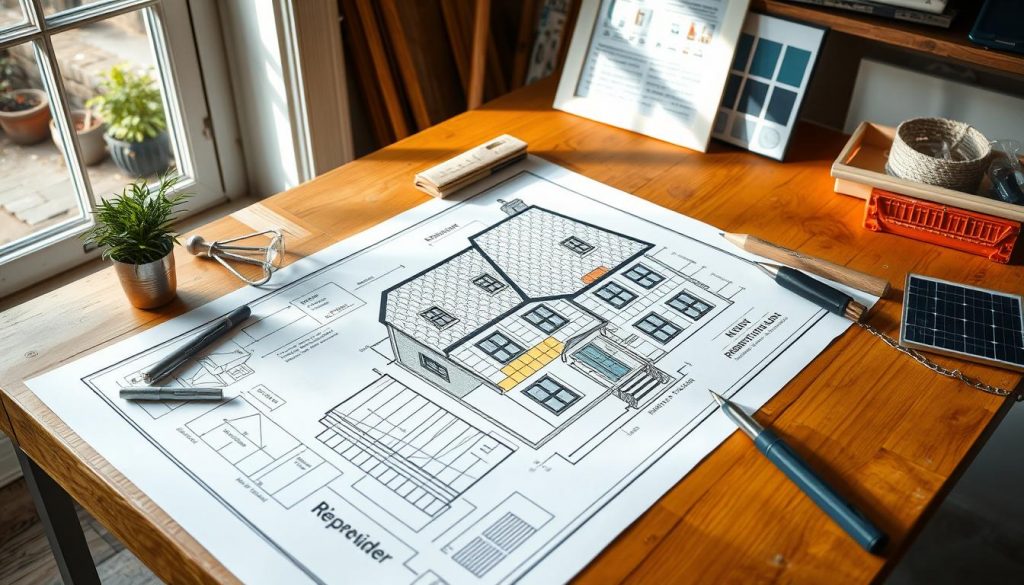
| Possible remediation measures | Cost estimate (per m² or unit) |
|---|---|
| Insulation of the facade | 100 – 200 € |
| Roof insulation | 100 – 150 € |
| Window replacement | €300 – €800 |
| Insulate heat pipes | 10 – 30 € |
| Replace heating system | from €12,000 |
The objective and a comprehensive plan shape the planning renovation Effective. Informed decisions thus lead to successful implementation and sustainable energy savings.
Conclusion
The energy transition in Germany urgently requires measures to improve energy efficiency in older houses. These measures are not only necessary to meet the climate change not only to counteract this, but also to realize economic advantages. Through targeted renovation projects, homeowners can not only reduce their heating energy consumption, but also increase the quality of life in their homes.
A key aspect is investing in modern technologies that lead to sustainable renovation success. This includes, for example, compliance with legal thermal insulation regulations and the use of renewable energies. Such forward-looking solutions are not only ecologically sound but also result in long-term cost savings.
Financing options, such as those offered by KfW, provide an additional incentive for homeowners to actively engage with the topic of energy efficiency. These incentives help minimize initial investments and contribute to making comprehensive energy-efficient renovations feasible for many citizens. Ultimately, this collective effort leads to improved living quality and more valuable property ownership.
FAQ
What is meant by energy efficiency in old houses?
Energy efficiency in older houses describes the relationship between the benefit of a given amount of energy and the amount of energy required to produce it. The goal is to reduce energy consumption and costs while improving living comfort.
What are the advantages of energy-efficient renovation?
Energy-efficient renovations not only help reduce energy costs but also contribute to lowering greenhouse gas emissions, which is crucial for climate protection. Furthermore, improved energy efficiency can increase the value of the property.
What simple measures can I take to improve energy efficiency?
Simple measures include reducing heating costs by adjusting the temperature, using water-saving fixtures, purchasing energy-efficient appliances, and optimizing lighting with LEDs. Sealing windows also improves efficiency.
Which renovation measures are particularly effective for old houses?
Effective renovation measures include insulating the building envelope, replacing windows and doors, and modernizing the heating system. Installing ventilation systems with heat recovery is also beneficial.
Which modern heating systems can I use?
Modern heating systems Heat pumps and condensing boilers, for example, use available energy more efficiently. They not only reduce energy consumption but also contribute to reducing CO2 emissions.
How can I integrate renewable energies into my renovation project?
Installing photovoltaic systems can significantly increase a house's energy efficiency. Solar thermal energy is also important for hot water preparation and reduces dependence on fossil fuels.
What financial incentives are available for energy-efficient renovations?
There are various government programs that offer grants and low-interest loans for energy-efficient renovations. These financial incentives are crucial for making investments in energy-efficient technologies more attractive.
Why is the energy performance certificate important?
The energy performance certificate provides information about a building's current energy consumption and helps to assess its current condition. It is essential for planning renovation measures and offers recommendations for improvements.
Which materials are recommended for energy-efficient renovation?
When renovating, attention should be paid to materials with high thermal insulation and energy-efficient technologies. Expert advice can help find the best solutions for individual requirements.
How should I approach the planning for the energy-efficient renovation?
Thorough planning is key to success. This includes defining the objectives, analyzing the building, and developing an action plan. Professional support is recommended to coordinate all aspects from costs to execution.