
The biggest myths about zero waste and how to overcome them.
Advertisement
The Zero Waste Myths are widespread and often contribute to confusion about the practices of Waste prevention at.
Many people believe it's impossible to live sustainably in everyday life, leading to a resigned attitude. In this article, we debunk these myths and show ways we can make our lives more sustainable. Environmental awareness They can strengthen and actively contribute to waste reduction.
Insights from current studies and the experiences of experts clearly demonstrate that it is possible to integrate the principles of zero waste into our daily lives. Join us on a journey to discover how we can achieve the goal of... sustainability can get closer.
Introduction to the topic of Zero Waste
What is Zero Waste?This movement aims to avoid waste and optimize resource use. It promotes environmentally friendly practiceswhich can be applied in various areas of life. These principles include: Waste separationRecycling and the promotion of reusability. An excellent example is hair salons that reduce their waste production to a minimum, such as the first zero-waste salon in Germany, which produces a maximum of one liter of waste per week.
The societal relevance of the zero-waste approach is underscored by increasing environmental pollution and climate change. Every minute, approximately two truckloads of plastic end up in the world's oceans, rivers, and streams. This vividly illustrates the importance of making environmentally conscious choices. The introduction of mandatory reusable containers for restaurants and cafes starting in 2023 is another step in the right direction and will contribute to reducing single-use plastics.
Implementing environmentally friendly practices in everyday life may initially incur higher costs, but it is more cost-effective in the long run. Cost savings also occur through the use of materials that are already in circulation, which reduces procurement costs and increases the stability of supply chains. A practical example of this is meal prepping, where consumers prepare their own food and store it in reusable jars or containers.
The origins of the zero-waste movement
The Zero Waste Story It begins with the recognition that the growing amount of waste poses a pressing problem for society. Every year, the average German produces about 450 kg of household waste, which is more than one kilogram per day. This alarming figure underscores the need for a fundamental shift in thinking regarding our consumption and waste management.
The environmental movement In recent decades, it has played a crucial role in the emergence of the zero-waste movement. Key moments include the large-scale climate strikes, in which around 4 million people took to the streets in 163 countries on September 20th. These protests highlighted the growing public awareness of environmental problems and demanded measures for sustainable development.
A key player in the Zero Waste Story Bea Johnson is known as a pioneer of the zero-waste lifestyle. She and her family produce only one liter of waste per year. Such inspiring figures have greatly influenced the movement and motivated many people to reduce their own waste production.
Global challenges, such as the increasing production of plastics, which is expected to rise by 401,000 tons in the next 10 years, require innovative approaches to waste prevention. Using reusable products and participating in initiatives like "Plastic Free July" are examples of sustainable changes in everyday life.
In recent years, the zero-waste movement has gained momentum. More and more people and organizations are committed to reducing waste, which has fueled the discussion about environmentally friendly practices and further fuels the pursuit of sustainability goals. Initiatives and recommendations from the environmental movement They offer valuable support in bringing about individual and societal change. The development of the zero-waste movement shows that it is always possible to initiate positive change and do something good for the environment.
The most common zero waste myths
Myths about Zero Waste Many people are deterred from making sustainable choices. A common misconception is the idea that zero waste is only suitable for certain people or lifestyles. In fact, everyone, regardless of their background, can take steps towards a more sustainable lifestyle. Waste prevention companies. These false ideas can have a negative impact on actions.
Another common misconception is the assumption that it's impossible to implement a complete zero-waste policy in everyday life. The reality is that a successful zero-waste practitioner produces enough waste in a year to fit into a jam jar. In contrast, the average household generates significant amounts of waste every week. This example illustrates that every small change in daily life can be significant.
The perception that recycling is sufficient to reduce waste is also misleading. While recycling can enable significant material savings in CO₂ emissions and raw materials, not all waste is easily recyclable. Differences in waste separation rules, such as separating packaging into bins and recycling bins, often lead to mistakes. For example, thermal paper receipts belong in the general waste bin, not the paper recycling bin.
Furthermore, only about 331,000 of glass waste is correctly sorted by color, which reduces valuable recycling potential. Toothbrushes and CDs should also not be put in the yellow bag, but taken to recycling centers. These facts illustrate that Misunderstandings the effectiveness of Waste separation and thus jeopardize the reuse of valuable raw materials.
| myth | True facts |
|---|---|
| Zero waste is only suitable for certain lifestyles. | Everyone can reduce waste with small changes. |
| Recycling is sufficient to protect the environment. | Effective Waste separation is crucial for recycling. |
| Plastic waste can always be recycled. | Only a small portion is actually reused. |
| All waste is equal | Different materials require different disposal methods. |
Overcoming this Myths about Zero Waste It requires education and commitment. Learn about proper disposal methods and inspire others to make sustainable choices as well. You can find more information in this [link/document]. Article about the most common misunderstandings Zero Waste.
The reality behind the myths
The Facts about Zero Waste This reveals a different reality than many common myths suggest. It's often assumed that zero waste is an unrealistic lifestyle. In reality, even small changes can make a big difference. Switching to eco-friendly alternatives doesn't always require a large financial investment. For example, an all-purpose cleaner made from citrus peels is extremely inexpensive, costing only about €0.30 per liter.
Shocking amounts of food are wasted worldwide. One-third of all food produced ends up in the trash, contributing significantly to household waste. The use of single-use products like cups and bags also exacerbates the problem. These often have a lifespan of less than five minutes. The reality is that littering in Austria is a significant challenge that contributes to environmental pollution.
In Switzerland, around 800,000 tons of plastic waste are generated annually, of which over 801,000 tons are incinerated. Only a small portion, less than 101,000 tons, is actually recycled. These figures illustrate the real challenges facing the zero-waste movement. The widespread use of plastic products and the lack of effective recycling systems make it difficult to achieve the desired results. sustainability to reach.
Growth is evident in the increasing number of zero-waste shops, indicating a growing awareness. At the same time, the concept of sustainability Often perceived as an unaffordable luxury, it's actually more a matter of mindset. Switching to zero waste can often begin within one's own immediate surroundings, and with the right motivation, tangible results are possible.
| statistics | Number |
|---|---|
| Participants in Zero Waste Week 2018 | 56 million |
| Annual plastic waste in Switzerland | 800,000 tons |
| Recycling rate for PET bottles in Switzerland | 82% |
| Recycling rate for plastic packaging in Germany (2016) | 48,4% |
| Actual recycling of plastic waste in Germany | Just over 5% |
How the intention-behavior gap affects the zero waste goal
The Intention-behavior gap represents a central aspect in psychology that, when it comes to the Behavioral change moving towards a zero-waste lifestyle. People often have the best intentions to reduce their waste or prefer sustainable products. However, these intentions frequently remain just that, and their behavior doesn't change accordingly. This discrepancy illustrates why it's so challenging to put good intentions into practice.
Factors such as social norms, availability of alternatives, and personal habits play a crucial role in the closure of the Intention-behavior gapThe analysis of the waste separation and sorting behavior of 14 households showed that, despite the desire for less packaging, many consumers continue to buy packaged products. These observations underscore the complexity of the issue. Behavioral change and the need to consider different aspects of lifestyle.
A funding project with a grant amount of €119,221.00 aims to systematically integrate the consumer perspective into the Behavioral change support. The goal is to... Intention-behavior gap to close. By establishing clubs, people can be empowered to question their behavior patterns and actively choose sustainable alternatives. Such an approach can have a positive impact on the entire community and contribute to achieving environmental protection goals.
Zero Waste Myths and Their Impact on Behavior
The Influence of myths on the Behavior in waste prevention This is a crucial factor influencing commitment to sustainable practices. Often, unrealistic expectations or exaggerated fears of making mistakes limit individual actions. These concerns can lead people to abandon zero-waste practices instead of making positive changes in their consumption habits.
One example is the five principles of Zero Waste: Refuse, Reduce, Reuse, Recycle, and Rethink. A misunderstanding of these principles leads some people to believe they have to be perfect to make a difference. This kind of perfectionism hinders actual progress. Behavior in waste preventionInstead, consumers should focus on taking small steps towards sustainability. Conscious purchasing decisions can not only reduce one's own environmental impact but also encourage many companies to adopt sustainable practices.
The Psychology of consumption This plays a significant role here. Many people are drawn to the idea that they have to do everything perfectly, which can lead to a feeling of being overwhelmed. As a result, several negative effects can be observed:
- Excessive fear of making mistakes in everyday life
- Withdrawal from sustainable initiatives
- Reduced willingness to buy environmentally friendly products
The solution lies in education and promoting a more positive approach to the topic. By clearly distinguishing between myth and fact, consumers can be encouraged to make active choices.
| myth | reality |
|---|---|
| Zero waste means perfection. | The focus is on small, continuous steps. Every reduction in waste counts. |
| Unpackaged goods stores are unhygienic. | High hygiene standards ensure safety when shopping without packaging. |
| Sustainable products are too expensive. | In the long term, this reduces Waste prevention Costs, e.g. due to reusable packaging. |
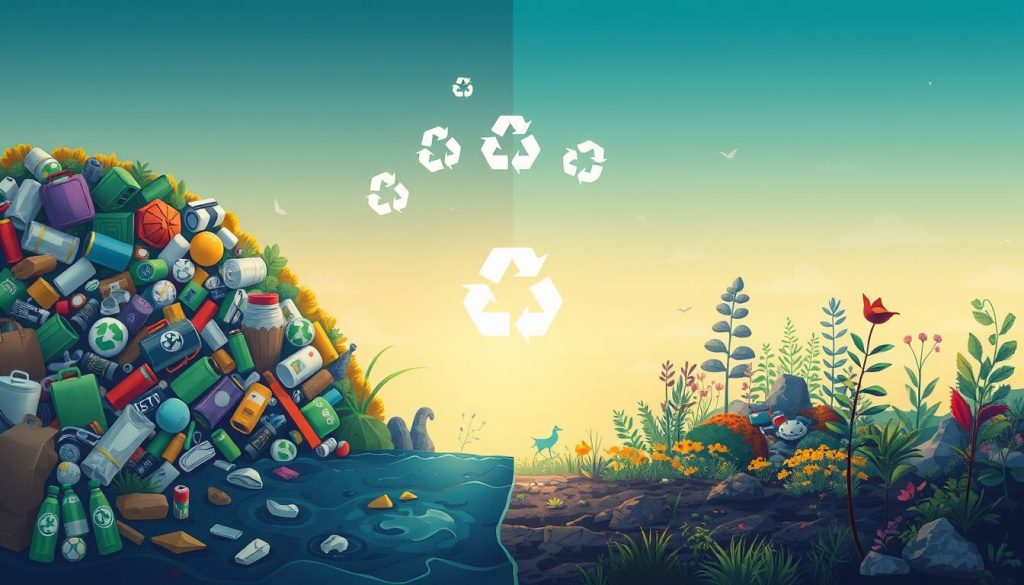
Practical tips for reducing waste in everyday life
The implementation of Tips for waste reduction can have a significant impact on a sustainable everyday life Small changes in habits can significantly reduce waste. A good start is using reusable containers for food. These replace single-use packaging and help avoid plastic waste.
Conscious shopping plays a crucial role. Visiting local markets not only offers the opportunity to buy fresh produce but also reduces reliance on packaged foods. Choosing seasonal products is recommended; these can save you money and help protect the environment. Furthermore, food should be stored in glass containers to extend its shelf life.
A fundamentally important strategy in Zero waste in everyday life is the Waste separationIt promotes the recycling of materials and ensures that valuable raw materials are reused. Using washable baking mats instead of disposable baking paper is another simple way to avoid waste.
A traditional shopping trip with a list can reduce impulse purchases and help avoid unnecessary food waste. Innovative digital tools like shopping apps help keep track of existing food and its storage, further minimizing waste.
Special attention should also be paid to the use of sustainable alternatives. For everyday items like toothbrushes, switching to wooden or bamboo models is a good option. Such small steps make a big difference when it comes to... sustainable everyday life to design. To learn more about this topic, you can find helpful information in our Zero Waste Guide.
The role of the community in the zero waste approach
The Zero Waste Community plays a crucial role in promoting environmentally friendly practices. Joint initiatives They support individuals in making more sustainable choices, which has a direct positive impact on the environment. By exchanging ideas and resources, an environment is created in which social responsibility becomes the norm.
Involvement and engagement are essential components of these community projects. When people come together, they can effectively develop solutions to concrete problems. Examples show how local groups raise awareness of zero-waste practices through workshops, swap meets, and community gardens.
Some successful joint initiatives in the area of Zero Waste include:
- Public events that promote recycling.
- Exchange platforms for used items.
- Joint composting projects to reduce organic waste.
Local communities have demonstrated their transformative power. Through collaboration, they not only generate innovative solutions but also foster a strong sense of belonging and responsibility. In the long run, this leads to a more conscious use of resources and a significant reduction in waste. This underscores the importance of... Zero Waste Community for the promotion and dissemination of sustainable lifestyles.
| Type of initiative | Description | To use |
|---|---|---|
| Public events | Workshops on waste prevention | Raising awareness of sustainable practices |
| Exchange platforms | Platforms for exchanging used items | Reduction of consumption and waste |
| Community gardens | Areas where food is grown together | Promoting cooperation and use of seasonal products |
By working together, communities not only promote understanding of the social responsibilityThey are not only acting as agents of change, but also positioning themselves as drivers of significant transformation. The zero-waste approach is therefore not just an individual effort, but above all a collective one, dependent on the power of the community.
How companies can help overcome zero waste myths
The role of businesses plays a crucial part in promoting Zero Waste companies and the dismantling of widespread myths. Through targeted initiatives and development sustainable business models They can send a strong message. A key goal is to eliminate avoidable packaging by 2025.
To support the circular economy, several companies have sought to introduce a common set of rules for open and closed reusable packaging pool solutions. In addition to these practical approaches, the importance of early childhood education in raising awareness of packaging myths is of great relevance. Companies should also implement a standardized, comprehensive sustainability label for products and packaging.
Clear and credible consumer information on the collection and recycling of household waste is essential. Uniform, user-friendly separation and sorting instructions on packaging help to eliminate confusion. Educational programs in schools and other educational institutions can help raise awareness and reduce littering.
The increased use of single-material packaging minimizes waste and supports recycling processes. Actively involving consumers in these processes significantly improves separation and sorting efficiency. Benchmarks and regulations can increase recycling rates while simultaneously promoting the sustainable use of plastics.
Collaboration along the value chain between packaging producers, retailers, and recyclers is already showing positive results. Feedback mechanisms from households are essential to improve waste separation performance and the Corporate responsibility to take it to a new level.
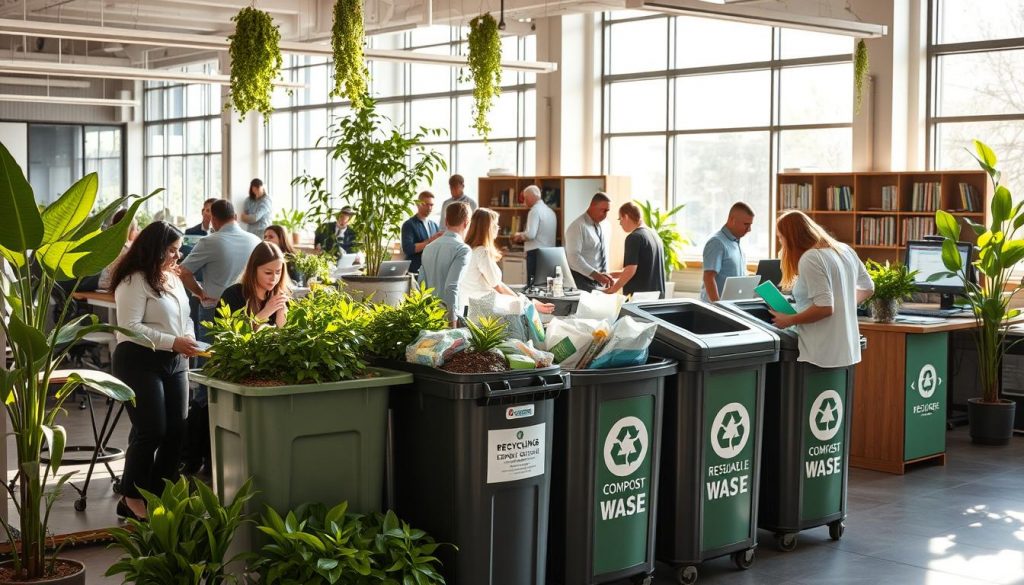
| measure | Goal |
|---|---|
| Elimination of avoidable (re)packaging | By 2025 |
| Common rules for reusable pools | Promoting the circular economy |
| Standardized sustainability labeling | Transparency for consumers |
| Educational opportunities in schools | Raising awareness regarding waste prevention |
| Monomaterials | Waste reduction |
| Active involvement of consumers | Improvement of recycling processes |
Avoid food waste and consume sustainably
Reducing food waste is a key aspect of the zero-waste approach. Consumers can sustainably adjust their consumption by making more conscious purchasing decisions and using their food more efficiently.
It is important to know that approximately one-third of all food worldwide is wasted. In Germany, 11 million tons of edible food end up in the trash every year. These figures highlight the enormous opportunity to change our eating habits in order to reduce food waste. To reduce food waste and to Zero Waste Diet to contribute.
Here are some simple strategies for a sustainable consumption:
- Planning: Create a structured weekly shopping plan to avoid impulse buys.
- Regionality: Prefer regional, seasonal and organically produced goods that cause less environmental impact.
- Storage: Store fruits and vegetables correctly to increase their shelf life and minimize potential losses.
- Cook: Use all available food and demonstrate flexible cooking habits.
- Sustainable alternatives: Consuming unpackaged products and vegan staple foods can significantly reduce packaging waste.
Misinterpreting the best-before date is a major cause of food waste. Consumers should learn to interpret this date correctly to avoid prematurely throwing away edible food.
In cities like Vienna and Graz, zero-waste shops such as "Der Greißler" and "Das Gramm" have opened, offering an environmentally friendly shopping alternative. The use of food-sharing apps is also growing as a trend for rescuing food, strengthening the community in the fight against food waste.
A conscious, sustainable lifestyle makes a crucial contribution to protecting the environment and combating global hunger. Every small action counts when it comes to... To reduce food waste and a Zero Waste Diet to live.
Conclusion
In the Summary: Zero Waste It becomes clear that every individual and the community plays a central role in creating a sustainable future. The Zero Waste concept aims to minimize waste and significantly reduce dependence on single-use products. Simple measures such as using reusable shopping bags and avoiding packaging can already make a concrete contribution to reducing waste.
It is crucial that we rethink our thinking and actions to prevent food waste and promote sustainable consumption habits. Switching from single-use products to durable alternatives, as well as applying the "5 Rs" (Refuse, Reduce, Reuse, Recycle, Rot), helps everyone make more environmentally friendly choices in their daily lives. Composting is one example, which can reduce up to 301,000 tons of total household waste.
The Call to action My message to all readers is: Start today with small but significant changes in your daily life. Whether it's using food waste apps like Too Good To Go or boycotting fast fashion—every action counts. Together, we can contribute to a sustainable future and protect the Earth for generations to come.
FAQ
What does Zero Waste mean?
Zero Waste refers to a lifestyle that aims to avoid waste, use resources efficiently, and integrate reusable materials. It's about minimizing waste production and living sustainably.
Is zero waste only suitable for environmentally conscious people?
A common misconception is that zero waste is only relevant for certain people or lifestyles. In fact, everyone can live more sustainably through small changes in their daily routine.
How can I avoid waste in everyday life?
There are many practical Tips for waste reduction, such as using reusable containers, avoiding single-use products, and making conscious purchases at local markets.
What are the most common myths about zero waste?
Among the most common myths is that it's impossible to live completely waste-free, or that it requires too much effort. These Misunderstandings can discourage people from trying sustainable practices.
How do myths influence people's behavior?
Myths about Zero Waste can cause anxiety and false ideas These factors can inhibit commitment to a sustainable lifestyle. Excessive perfectionism can also prevent small but effective changes.
What is the intention-behavior gap?
The intention-behavior gap describes the discrepancy between people's intentions to live more sustainably and their actual behavior. This gap often arises from a lack of information or an exaggerated fear of making mistakes.
What role does the community play in zero waste?
Communities can encourage and support individuals by promoting initiatives and local groups focused on sustainability. Successful projects demonstrate how collaboration can lead to positive change.
How can companies promote zero-waste practices?
Companies play a key role by... sustainable business models and contribute to initiatives aimed at reducing waste. Responsibility and transparency are crucial for believing in these principles.
What can I do to reduce food waste?
Consumers can analyze their consumption and implement strategies to avoid food waste, such as meal planning and saving leftovers. Conscious shopping also contributes to this.