
How to grow organic food in a big city.
Advertisement
In an increasingly urbanized world, organic farming in the city is becoming ever more important.
More and more people are interested in urban agriculture, to ensure fresh and healthy organic food to produce right on their doorstep.
In a city where space is precious, innovative solutions such as vertical farming or community gardens offer an answer to the challenges of food production.
This dynamic is supported by interesting statistical data: In Russia, Dacha gardens produce about 40% of total food on only 6% of the available agricultural land, while in Cuba 34,000 hectares are cultivated through urban farming, reducing food imports to about 16%.
Thanks to the initiative of communities and urban projects, city dwellers can actively participate in food production, thus not only meeting their own needs but also contributing to more sustainable urban development.
In Vienna, for example, there are almost 40,000 allotments that are ideally suited for the production of vegetables and fruit.
Urban gardening makes it possible to meet personal food needs on an area of 100 to 200 m², which represents a remarkable use of resources.
These approaches make it clear that organic farming in the city is not only possible, but also necessary.
Introduction to organic farming in the city
Organic farming in urban areas is becoming increasingly important. City dwellers are placing ever greater value on consuming local and sustainable food. In a world where more than three-quarters of the population in Germany lives in cities, innovative concepts for implementing urban agriculture must be developed.
A prime example is the city of Almere near Amsterdam. There, the ambitious goal was set to produce 20 percent of the daily basic needs of its approximately 350,000 inhabitants itself. This demonstrates the importance of organic farming as part of urban planning. Food security is.
In Havana, an impressive 60 to 80 percent of vegetables and fruit come from local sources, supported by various subsidy programs. Such models illustrate that urban gardeners through active participation of the community, it is possible to significantly improve the supply situation.
In Germany, there are over 500 community gardens, each with its own unique character and open to different interest groups. Such community projects enable residents to... urban agriculture to experience it firsthand and grow their own food.
Another innovative concept is the Self-harvest gardens in Munich, known as community gardens. Here, farmers and consumers work hand in hand. This not only promotes the urban gardeners, but also a close relationship between producers and consumers.
Overall, these developments demonstrate that organic farming in urban areas is not only a response to the needs of modern society, but also a step towards a more sustainable future. The various approaches further promote the potential growth and acceptance of organic farming in the UK.
The importance of organic food in urban areas
The Importance of organic food This is becoming increasingly apparent in urban areas. Organic food are not only healthy, they also contribute significantly to Food security In cities like Dar es Salaam, 90 % of the vegetable demand and 60 % of the milk demand could be produced locally, which presents an exciting prospect for self-sufficiency.
Shanghai is projected to achieve a self-sufficiency rate of 60 % for vegetables and 90 % for eggs. These figures illustrate the importance of local production for future food security. Shorter transport routes significantly reduce CO2 emissions, which is particularly relevant in urban environments. Increasingly, people desire a direct connection to the producers of their food.
Initiatives like Incredible Edible Todmorden demonstrate how communities can collaborate to promote local food production. Toronto's Food Action Plan exemplifies how cities have been developing solutions to increase organic food production since 1991.
In a time when over 501,000 of the world's population lives in urban areas, the Food security This addresses the central challenge. Urban farming offers innovative approaches. Indoor farming systems enable successful growth year-round and require significantly less water than traditional methods. As a result, the cultivation of native plant species can conserve up to 751 TP3T of resources.
In summary, it can be said that organically grown foods are not only for Food security, but also contribute to sustainable development in urban areas. These measures not only reduce the ecological footprint, they also strengthen communities and promote awareness of environmentally friendly practices.
Models of organic farming in large cities
Various types of water are being created in large cities. Models of organic farming, the innovative cultivation methods to address the challenges of urban food production. Community gardens are flourishing in many urban areas, where residents work together to grow fresh produce and strengthen the community.
Companies like SKY GREENS and COMCROP They rely on innovative technologies. These companies demonstrate how. urban food production can be revolutionized by vertical farming systems. SKY GREENS-Towers produce a harvest volume that is ten times higher than with conventional methods, enabling efficient use of limited urban space.
These models also offer great economic potential. After a short start-up phase, companies are already generating operating profits. This strengthens the demand for organic food. According to estimates, the Bavarian state government plans to increase the share of organically farmed land to 30% by 2030.
The development of innovative cultivation methods Urban farming not only contributes to sustainability but also promotes social cohesion. Worldwide, approximately 800 million people participate in various forms of urban farming. This demonstrates that the desire for regional and fresh food is a growing need in urban environments.
Urban Gardening: Community gardening as a trend
Urban gardening has become a significant trend, enabling city dwellers to create their own City gardens to cultivate. This initiative promotes community gardening and creates a platform for neighbors to network and exchange ideas. Approximately 781,030 of the city's residents have expressed interest in Urban gardening, which has led to an increase in community gardens of 20% over the last five years.
The idea of community gardens began in the 1970s in cities like New York as a response to urban decay. These gardens not only contribute to improving food supplies but also create a space for social interaction and community events. Already, 451,330 participants report improved neighborhood ties, highlighting the promotion of social connections.
Urban gardening Urban gardening has a positive impact on the environment. Studies show that gardening projects help improve the microclimate in cities by creating mini-biomes. Such initiatives also support biodiversity by integrating native wild plants, thus strengthening the urban ecosystem. Furthermore, many municipalities have begun supporting urban gardening projects with resources such as plants and tools.
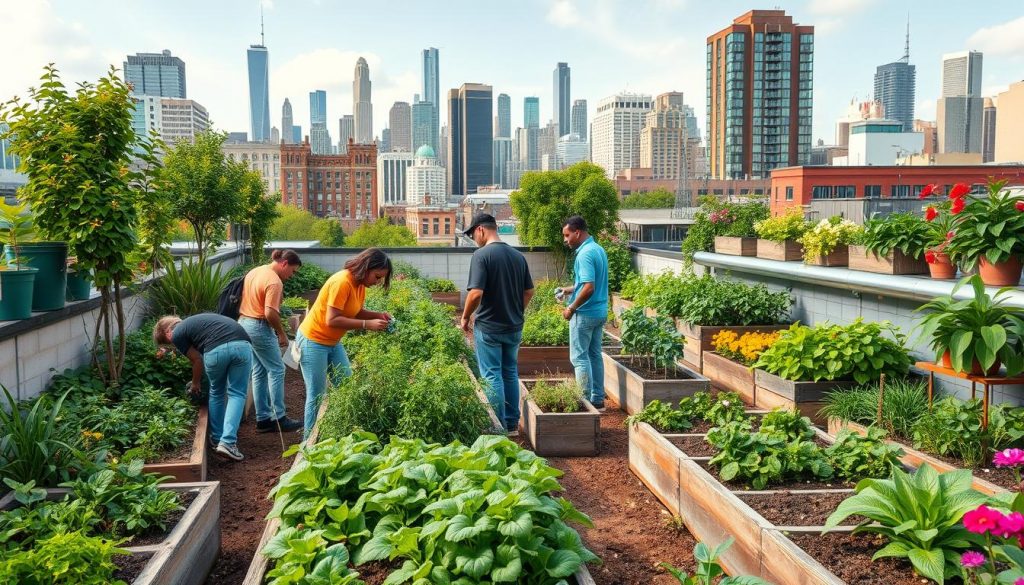
The demand for organic fruits and vegetables from these urban gardens is increasing, indicating a growing awareness of healthy eating. Over 601,000 urban gardeners focus on growing herbs, as these are particularly easy to care for. Raised beds are very popular in 401,000 gardens because they offer a flexible and space-saving solution. These positive aspects reinforce the trend of community gardening and contribute to a sustainable lifestyle in urban areas.
Self-harvesting gardens: An innovative idea for city dwellers
Self-harvest gardens They are rapidly gaining popularity in urban areas. This type of cultivation allows city dwellers to actively participate in the production of their food. Rented plotThese models allow consumers to lease a piece of land and grow their own food. Cooperation in Agriculture This plays a central role, as farmers and consumers share responsibility for the harvest.
Such initiatives not only promote self-sufficiency but also raise awareness of sustainable farming methods. City dwellers benefit from fresh, regional produce directly from their own gardens. Studies show that approximately 601,030 of the urban population is interested in community gardens. Furthermore, cultivation in Self-harvest gardens to significantly reduce CO2 emissions from food transport.
The sense of community fostered by self-harvesting gardens often leads to increased cohesion within the neighborhood. Approximately 701,030 participants in a garden project report having formed new friendships through these activities. Such experiences not only improve quality of life but also have a positive impact on psychological well-being. The inclusion of socially disadvantaged groups in these projects creates additional potential for integration and personal development.
These positive trends are already evident in Germany. The number of community gardens is steadily increasing, indicating a growing interest in urban agriculture. City dwellers are actively seeking ways to produce their food sustainably and through Cooperation in Agriculture to utilize new concepts such as self-harvesting gardens.
Food councils: Promoting local farming
Nutrition councils play a crucial role in supporting initiatives for local food and sustainable agricultureThese committees are composed of citizens and experts and are focused on... Food security and to strengthen local cultivation in urban areas.
In cities like Maputo, over 501,000 people are affected by food insecurity. By organizing around 14,000 farmers in "zonas verdes" (green zones), these initiatives not only provide aid but also raise awareness of the importance of sustainable farming methods. It is estimated that over 40,000 people directly benefit from urban agriculture in this region.
This harmonization of community and expertise is of fundamental importance. Nutrition councils develop master plans that are based on local food The focus is on promoting local production and consumption. In Cape Town, approximately 100 community gardens and numerous backyard gardeners, cultivating around 3,600 hectares, significantly complement the urban food landscape.
The data show that 221,000 households in Maputo consume products from urban agriculture. This increases the acceptance of sustainable practices and demonstrates the effectiveness of food councils in creating a resilient, local food web. The adoption rate of organic techniques in Cape Town is over 801,000, highlighting the importance of supporting local initiatives for developing sustainable food systems.
| Key figure | Maputo | Cape Town |
|---|---|---|
| Food insecurity (%) | About 50% | 89% in Khayelitsha |
| Number of farmers in “zonas verdes” | 14.000 | N/A |
| People who directly benefit | Over 40,000 | N/A |
| Number of community gardens | N/A | 100 |
| Amount of vegetables produced (tons/year) | N/A | 100.000 |
Organic farming in the city: opportunities and challenges
Organic farming in urban areas offers numerous advantages Options for organic farmingwhich aim to improve the quality of life for city dwellers. Urban gardening has gained popularity worldwide and represents a significant movement in these regions. Community gardens not only foster a sense of community but also create a platform for exchanging horticultural knowledge. They contribute to increased biodiversity by creating habitats for insects and birds.
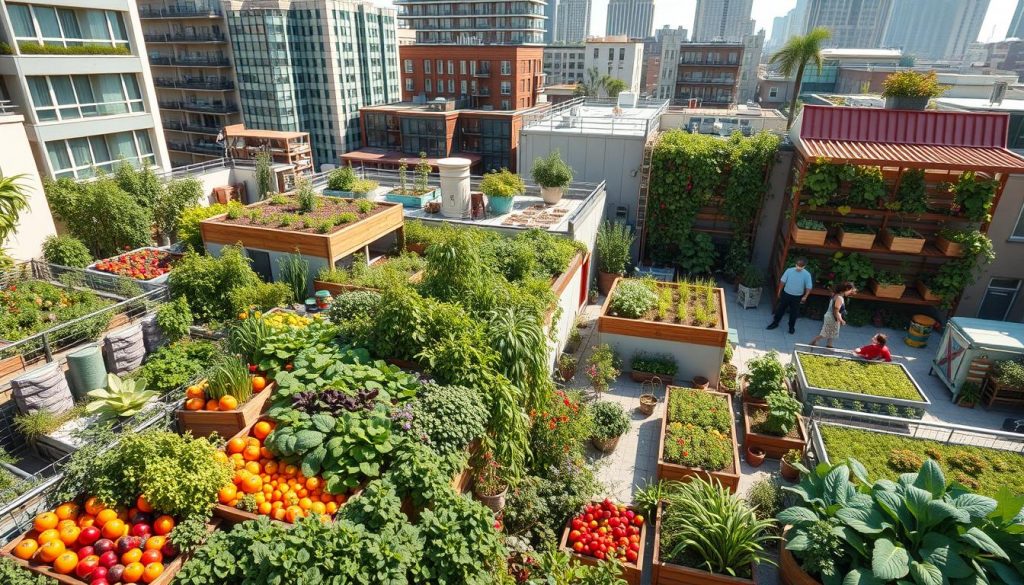
Rooftop gardens are another example of innovative approaches in urban planning. These gardens improve the urban climate by cooling it and contributing to better air quality. They are particularly effective in cities with limited land space. Balcony gardens make it possible to grow vegetables, herbs, and flowers even in small spaces, thus supporting access to fresh, unprocessed food. Vertical gardens and green walls also help by filtering pollutants and producing oxygen.
The Challenges of urban food production However, they encompass various aspects. Limited space often presents a key problem, which can be mitigated through raised beds and vertical farming systems. Integrating compost use and organic material from urban sources also improves soil quality and promotes plant health. Utilizing these approaches helps reduce the urban heat island effect and contributes to lowering ambient temperatures.
Integrating urban gardening into city planning is crucial for raising awareness of sustainability and environmental protection. Innovative solutions that reduce the ecological footprint of urban agriculture are essential for the future. The availability of urban gardens has the potential to minimize CO2 emissions and other pollutants in urban areas, leading to improved air quality.
Edible Cities: Concepts and Examples
The concept of edible cities advocates for the use of public and private spaces in urban areas for food production. This includes a variety of Urban agriculture conceptsThese initiatives not only promote food production but also strengthen social cohesion. Cities like Kassel and Andernach are setting standards with their initiatives that actively involve citizens in shaping their environment.
An example of sustainable cities can be found in KreaVert Project, which focuses on the socio-professional integration of the unemployed. The promotion of urban vegetable gardens not only creates habitats for plants, but also meeting places for the community. These gardens are accessible to everyone and offer a platform for intergenerational and multicultural encounters.
The choice of plants varies depending on local conditions. Robust varieties such as chard, tomatoes, and chili peppers have been successfully cultivated. At the same time, challenges such as vandalism or the lack of local resident involvement show that the development of edible cities requires continuous effort.
The transmission of Examples of sustainable cities Other urbanizations demonstrate the potential to preserve old traditions and cultural heritage. Projects focusing on permaculture also ensure that natural ecosystems are maintained in urban areas. Over 100 initiatives in Germany have been inspired by the Kassel model and are proof that Urban agriculture concepts are diverse and adaptable.
Community Supported Agriculture (CSA): Solidarity Agriculture
Community Supported Agriculture Community Supported Agriculture (CSA) represents a remarkable form of solidarity-based agriculture that promotes direct exchange between consumers and farmers. Through advance payments for shares of the harvest, farmers receive a financial foundation that enables them to farm sustainably. There are numerous CSAs in and around Vienna. CSA models, which facilitate access to fresh, organic food.
Let's take the following as an example: GeLa Ochsenherz Gärtnerhof, which has been active since 2011. With over 300 members and an annual budget of approximately €380,000, financing is secured through harvest shares. This demonstrates the strong connection between producers and consumers in community-supported agriculture. At GeLa Ochsenherz, over 60 different types of vegetables and herbs, as well as various tomato and pepper varieties, are cultivated.
Membership in such initiatives often requires a monthly contribution, as is the case with PlantAge at €79 in the first year or GeLa Ochsenherz with a guideline of €100 per month. Members then benefit from regular, fresh deliveries of their harvest. In most CSA models, it is also possible to reduce the contribution by helping out on the farm, which strengthens the sense of community and supports sustainable practices.
Another example is the SoLawi Rosen und Fenchel eV (Community Supported Agriculture Roses and Fennel Association), which has been offering a vegetable growing project since February 2024. It follows a solidarity-based financing principle that allows the farm to plan reliably for a secure growing year. Members distribute weekly harvests across various projects, further strengthening the concept of solidarity. CSA models They thus offer an innovative answer to the challenges of modern food production and show how community projects can address the challenges in the agricultural sector.
Through participation and regular shares of the harvest, a sustainable relationship develops between all involved, which is essential for the further development of community-supported agriculture. The various initiatives in and around Vienna demonstrate the potential of Community Supported Agriculture and the positive impact on local food production.
Technological innovations in urban agriculture
Technological innovations They enable the challenges of urban farming to be successfully overcome. Methods such as the vertical gardening and Aquaponics show how modern agricultural technologies They can maximize small spaces while simultaneously increasing efficiency. In urban areas, where space is often a limited factor, these technologies offer a practical solution.
Vertical farms in cities like New York City, for example at Brooklyn GrangeThey utilize the advantages of vertical farming. This allows for higher harvest volumes and contributes optimally to the plants' nutrient supply. While these systems require significant investment and often have high operating costs, the benefits in the form of fresh, regional food are undeniable.
Aquaponics combines fish farming with plant cultivation, making optimal use of nutrient-rich water. This symbiotic relationship not only improves productivity but also reduces the need for chemical fertilizers and biocides by creating controlled environments that minimize the risk of disease.
The growth of urban cultivation areas is supported by initiatives and startups that specifically invest in modern technologies. One example of this is... Infarm, which offers innovative concepts in schools and restaurants to facilitate access to fresh food. With the increasing demand for organic products in urban areas, the relevance of these technologies is growing ever greater.
In this way they carry technological innovations They contribute significantly to a more sustainable and efficient form of food production in urban areas and simultaneously promote awareness of regional and environmentally friendly farming methods.
Regulatory framework for organic farming
The regulatory framework play a crucial role in the success of organic farming in urban areas. These conditions encompass important aspects such as land-use laws, incentive programs for sustainable agriculture, and guidelines for food production. To ensure a thriving urban cultivation policy To ensure this, it is essential that cities create suitable framework conditions while also taking into account the interests of local residents.
Current initiatives to promote urban green spaces and biodiversity offer various measures and programs. These include, among others:
- Urban development funding with over 12 types of measures in 40 variants.
- Integrated urban development concepts (ISEK), which are a prerequisite for funding.
- Funding to improve green and blue infrastructure in cities.
Special measures to promote urban green spaces include:
- New developments and upgrades of urban green spaces.
- Networking and restoration of existing open spaces.
- Increasing habitat diversity through various planting methods.
- Green roofs and green facades for the integration of nature into urban areas.
The involvement of the city's residents in planning for the promotion of biodiversity and the long-term maintenance of implemented measures is essential. This should also include consideration of protecting existing populations and connecting open spaces within the designated areas. It is important that the area managed ecologically is significantly increased in the future to support the development of biodiversity. organic farming to advance in urban environments.
Conclusion
In summary, organic farming in cities represents a promising answer to the challenges of food security. The future of urban agriculture It offers innovative solutions for producing fresh food where it is most needed. Projects like Brooklyn Grange and Lufa Farms demonstrate how cities can benefit from creative approaches to sustainable food production while simultaneously strengthening the community.
Furthermore, urban farming also contributes to improved air quality and reduces the carbon footprint through shorter transport routes. The importance of local resources will continue to grow in the coming years, and the need for sustainable energy use will be central to the development of effective models. Urban farming is not just an agricultural practice, but an integral part of urban society and quality of life.
In conclusion, it can be stated that organic farming in urban areas not only represents a sustainable solution for food production but can also play a central role in urban development. To optimally utilize the challenges and opportunities in the urban environment, concrete strategies and collaborations between various stakeholders are essential.
FAQ
What are the advantages of organic farming in cities?
Organic farming in cities promotes food security, reduces the ecological footprint through shorter transport routes, and enables city dwellers to actively participate in food production. Furthermore, community initiatives contribute to a healthier lifestyle among the population.
What models exist for organic farming in cities?
In urban areas, various models exist, including community gardens, raised beds, and aquaponics systems. These models combine innovative approaches with the need for locally produced food.
How does urban gardening work?
Urban gardening is a trend where city dwellers cultivate community gardens. These gardens are often located in unused spaces or on balconies and promote social exchange and community building through workshops and festivals.
What are self-harvest gardens and how do they work?
Self-harvesting gardens allow residents to actively participate in food production. Consumers and farmers share the responsibility, thereby raising awareness. sustainable agriculture.
What role do food councils play in promoting local farming?
Nutrition councils These are bodies that bring together citizens and experts to support local food initiatives. They develop strategies to improve food security and sustainable agriculture in urban areas.
What are the biggest challenges in organic farming in cities?
Challenges include land use issues, legal frameworks, and climatic conditions. Creative integration of these cultivation models into urban planning is necessary to ensure sustainable food production.
How do edible cities contribute to sustainable agriculture?
Edible Cities Urban areas are being used for food production, actively involving citizens in shaping their environment. This not only promotes fresh food but also raises awareness of local agriculture.
What is Community Supported Agriculture (CSA)?
Community Supported Agriculture (CSA) is a model where consumers pay in advance for a share of the harvest. This creates financial security for farmers and strengthens the connection between producers and consumers.
What technological innovations support urban farming?
Technologies such as vertical gardening and aquaponics maximize yields in limited spaces and help to use resources efficiently. Such innovations contribute to reducing production costs and improving product quality.
What regulatory frameworks are important for organic farming?
Regulatory framework This includes laws on land use, funding programs for sustainable agriculture, and guidelines for food production. It is important that municipalities create suitable conditions to support organic farming.