
Zero waste in the garden: Gardening without waste
Advertisement
Zero Waste in the Garden is far more than a short-lived trend; it is the logical consequence of sustainable gardening and permaculture principles.
Consistently avoiding waste on the balcony or in the garden bed not only saves resources, but also maximizes the health of the entire ecosystem.
Anyone who wants to garden sustainably today must prioritize the concept of the circular economy.
In light of rising waste disposal fees and the global plastic problem, waste-free garden design is becoming an economic necessity.
Switching to a circular economy in your own green space not only reduces your ecological footprint.
They also create a robust, more resilient growing area that requires fewer external aids.
What is the true environmental impact of garden waste in Germany?
The amount of avoidable waste generated by gardening is often underestimated. Single-use packaging, in particular, creates an immense mountain of plastic waste in the ornamental plant trade.
According to estimates by the German Environmental Aid Association (DUH), approximately [amount missing] falls annually. 150 million Disposable transport packaging for plants in Germany.
Why is avoiding single-use plastics so important?
Almost all supermarkets and garden centers use these disposable pallets, so-called plant trays, which are mostly made of plastic.
This leads to an enormous waste of resources, as reusable alternatives exist that avoid unnecessary waste.
A move away from these disposable products is a central pillar for a truly sustainable future. Zero Waste in the Garden.
The production and disposal of these 150 million single-use packages causes unnecessary CO2 emissions and pollutes the environment.
Considering that 79% of the plastic produced since the 1950s The urgency becomes clear when it ends up in landfills or the environment.
Every single-use plant tray avoided is therefore an active contribution to climate and environmental protection.
++ How to make your garden bee-friendly
How do waste disposal fees affect the zero-waste strategy?
Rising municipal waste disposal fees are making the self-disposal of garden waste increasingly financially attractive.
For example, waste disposal fees in Cologne rose by an average of over 9 percent for the year 2025. This motivates garden owners to use their organic and green waste themselves instead of disposing of it.
Composting your own garden waste and using green waste as mulch saves you money on disposing of organic waste or buying potting soil.
A conscious approach to disposing of garden waste reduces the amount of residual waste and can even lead to fewer bin collections. This is a directly noticeable economic incentive for Zero Waste in the Garden.
How does the nutrient cycle work in a zero-waste garden?
The core of a Zero Waste in the Garden is the complete closure of the nutrient cycle; nothing is thrown away, everything is recycled.
Waste is transformed into valuable resources, eliminating the need for external fertilizers and soil amendments. This makes gardening not only waste-free but also more self-sufficient.
See more: Micro-gardens in the kitchen: Fresh herbs always at hand
What is the key to successful home composting?
Composting is the ultimate discipline in zero-waste gardening and transforms kitchen and garden waste into high-quality humus.
Crucial for good compost is the right mixture of "brown" (carbon-rich) materials such as dry leaves and "green" (nitrogen-rich) materials such as grass clippings.
A balanced mixture prevents rot and ensures rapid decomposition.
An optimal compost heap also needs sufficient oxygen, which is why regular turning is essential.
Finished compost is a natural soil improver that provides nutrients and sustainably improves soil structure. This turns waste into the most valuable resource in the garden.
One particularly effective tool is the Compost tea (Compost Tea), a liquid nutrient solution produced by soaking mature compost in water.
This tea is rich in beneficial microorganisms and acts as a gentle liquid fertilizer and natural tonic for plants.
It is easy to make, requiring only buckets, water and compost, and avoids the purchase of synthetic liquid fertilizer.
See also: How you can store CO₂ with your garden
What role does mulching play in waste prevention?
Mulching is a simple but highly effective strategy for Zero Waste in the Garden, in which plant remains are used as ground cover.
Grass clippings, leaves, or shredded branches are applied as a thin layer to the beds. This suppresses weed growth and reduces the need for chemical herbicides.
The mulch layer retains moisture in the soil, reduces evaporation and thus significantly lowers water requirements.
Over time, the organic material decomposes, continuously adding humus and nutrients to the soil. In this way, "waste" becomes a multi-faceted, beneficial ecological product.
A practical example is the annual leaf fall in autumn. Instead of throwing the leaves into the compost bin, use them as an insulating mulch layer for sensitive plants.
This protects the plants from frost and saves you the cost of buying bark mulch or fleece.
Why is upcycling materials so important for zero waste in the garden?
A waste-free garden doesn't begin with the compost, but rather with the procurement and reuse of materials.
Upcycling is the creative process of transforming unusable or discarded items into new, useful products for the garden. This avoids the need to buy new products made of plastic or wood.
What creative upcycling ideas are there for plant pots?
Old food packaging, tin cans or discarded buckets can serve wonderfully as seed trays or small plant pots.
Before buying new plastic pots, you should always check which containers from your household can be reused.
This extends the lifespan of materials that would otherwise end up in the trash.
A popular upcycling method is vertical gardens made from old wooden pallets or PVC pipes. These structures are perfect for urban balconies or small gardens.
They maximize the growing area, using materials that would otherwise have been disposed of.
How can you repair and reuse garden tools and fences?
A central principle of Zero Waste in the Garden is the repair of defective items instead of buying new ones.
A garden fence made from old boards, a repaired wheelbarrow, or a sharpened garden tool instead of a discarded one saves resources and avoids waste.
This conscious action stands in contrast to the throwaway society.
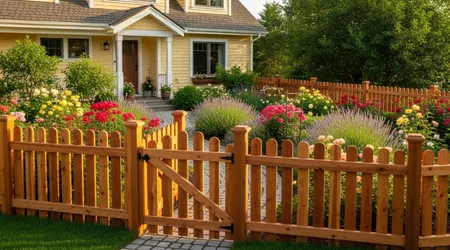
Garden fences or trellises, for example, can be excellently made from thicker branches or bamboo poles that are left over from the annual tree or hedge trimming.
This creates a stable, natural fence that requires no transport or new production, and makes good use of garden waste.
Consider the concept of Zero Waste in the Garden like the old, wise principle of a sailing ship: The captain throws nothing overboard that he might need later.
Every rope, every piece of wood is reused or repaired to ensure the ship's autonomy and survivability.
This approach gives your garden immense self-sufficiency and resilience.
| Zero Waste Strategies | Advantage for the garden | Waste/resource avoided |
| Home composting | Natural, nutrient-rich soil improver | Organic waste from the bin, purchased fertilizer |
| Mulching with green waste | Soil protection, moisture retention | Lawn clipping disposal, bark mulch purchase |
| Upcycling of packaging | Free planters, vertical gardens | Plastic pots, household waste |
| Rainwater harvesting | Reducing water consumption | Expensive tap water |
The switch to Zero Waste in the Garden is one of the most effective methods for avoiding waste in everyday life.
This method consistently closes the cycle, converts waste into valuable nutrients and simultaneously protects the environment from unnecessary plastic waste.
The healthy soil and lower costs are the visible reward for this conscious effort. It's a worthwhile investment in the future of your harvest and our planet.
Start consistently collecting kitchen scraps and green waste today.
Tell us which of your upcycling ideas for zero waste in the garden worked best!
Frequently Asked Questions
What should I absolutely not compost if I'm gardening with zero waste principles?
Avoid cooked leftovers, meat, and dairy products, as these can attract pests and promote putrefaction.
Diseased plants should also not be put on the compost heap to prevent the spread of diseases.
How can I avoid using peat if I need to buy new soil?
Peat-free potting soil is the standard for Zero Waste in the Garden, because peat extraction destroys bogs and releases CO2.
Look for the "peat-free" label and choose soil based on compost, wood fibers or coconut.
What is the principle of permaculture when it comes to waste?
Permaculture, closely linked to Zero Waste in the Garden, follows the principle of viewing waste as a resource and designing the system in such a way that it does not produce waste.
The goal is to keep everything in a closed loop.
How can I organize a zero-waste lifestyle on my balcony?
Use worm bins for kitchen waste, upcycled containers for plants, and collect rainwater in small barrels. Use loose seeds instead of packaged seedlings.