
How to convert your kitchen and bathroom to zero waste.
Advertisement
The zero-waste movement has become a central concern for environmentally conscious people. The goal of this movement is to avoid waste and find sustainable solutions for everyday life.
In this overview, we will discuss the transition to a zero waste kitchen and a zero waste bad to address this issue in order to show how even small changes can have a big impact on our environment. A conscious use of resources is essential to a sustainable household management to reach.
With innovative, environmentally friendly tips, such as using glass instead of plastic or implementing reusable alternatives, we can not only reduce our personal waste but also make a valuable contribution to a healthier planet.
Introduction to the Zero Waste Movement
The Zero-Waste Movement It originated as a response to the growing waste crisis and disproportionate consumer behavior. This movement advocates for sustainability one by reducing waste and Waste prevention The goal is to use resources consciously and avoid waste wherever possible.
A central idea of this movement lies in the Plastic reductionSingle-use products significantly burden our environment and contribute to the globalization of the waste problem. The zero-waste movement not only highlights the negative effects of excessive waste production but also the vital benefits of a more conscious lifestyle.
Activists and organizations worldwide that promote the principles of the zero-waste movement demonstrate how each individual can contribute to a larger goal through small changes. In many cases, these are simple steps such as removing single-use items from everyday life or using reusable alternatives.
For more information on transitioning to a zero-waste lifestyle in the kitchen, it's worth taking a look at the guide to Zero Waste KitchenThe principles of this movement can be applied to various areas of life, giving it the potential to fundamentally change our relationship to consumption and the environment.
The zero-waste movement shows that it's about more than just avoiding waste. It encourages us to use our resources more mindfully and to raise awareness of our ecological footprint. A contribution to more sustainability It begins in everyday life and has the potential to have far-reaching positive effects on our planet.
The advantages of a zero-waste kitchen
A zero-waste kitchen brings numerous advantages. Advantages of a zero-waste kitchen with a focus on reducing food waste, which is crucial for sustainable cooking. According to the German Federal Environment Agency, we waste approximately 11 million tons of food annually in Germany, making it important to encourage a change in thinking.
By storing food properly and using modern appliances such as refrigerators with crisper drawers, like the Siemens Hyperfresh, we help extend shelf life and minimize waste. Vacuum sealers like the BORA QVac also provide an effective solution for keeping food fresh up to three times longer.
- Reusable products, such as beeswax wraps, actively contribute to minimizing single-use packaging.
- Heat-resistant silicone baking mats offer a durable alternative to baking paper.
- A well-organized pantry reduces food waste through simple categorization.
- Reusable containers and cloth bags reduce the need for plastic.
Good planning and a precise weekly plan can reduce food waste by up to 301,000 pounds. These practices are directly related to a environmentally friendly kitchen, which benefits both our health and the environment. Sustainable cooking This is promoted through the use of local and seasonal products, which also contributes to reducing CO2 emissions.
Zero Waste Kitchen: Tips for Waste Reduction
Switching to a zero-waste kitchen requires some simple but effective steps. Zero waste kitchen tipsA first step is to use glass containers instead of plastic bags. These containers are not only durable, but also contribute to… waste prevention by replacing single-use packaging. Buying unpackaged food is a great way to reduce packaging waste and thus contribute to a sustainable household management to promote.
Switching to loose-leaf teas and using washable kitchen paper are further measures that are easy to implement. To avoid food waste, it is recommended to introduce leftover cooking days. This allows you to be creative with remaining ingredients while minimizing waste. Many fruits and vegetables do not need to be peeled, as the nutrients are often located directly under the skin. This not only contributes to waste prevention not only does it contribute to packaging, but it also increases the nutritional content of meals.
Another practical example is overripe bananas. These can be used to make smoothies or to bake delicious desserts. Well-planned shopping helps avoid unpleasant surprises. Often, many foods, especially fresh fruits and vegetables, end up in the trash because they go unused. The increasing prevalence of zero-waste shops in many German cities allows consumers to bring their own containers and significantly reduce packaging waste.
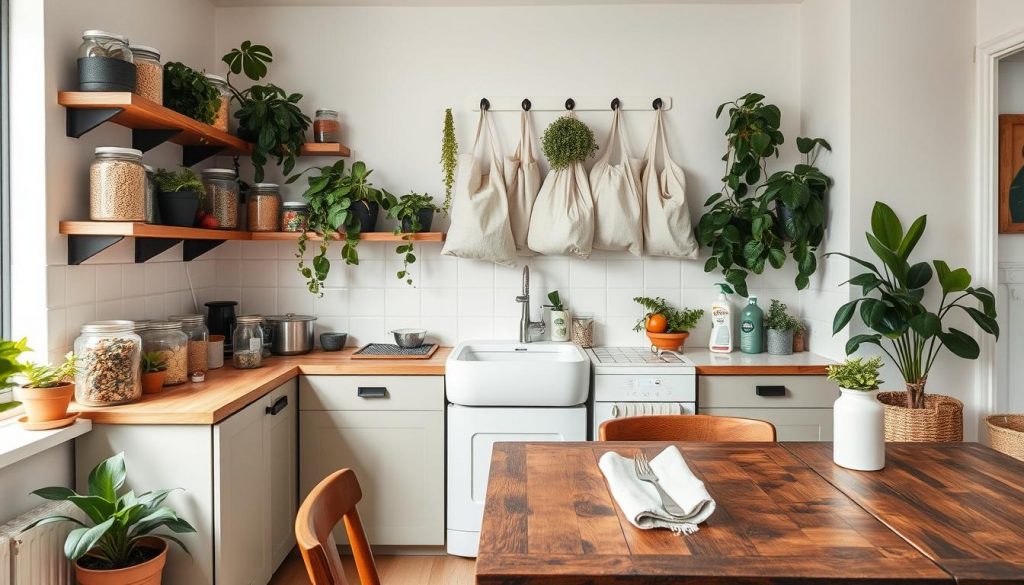
Proper food storage is also crucial. Foods like oatmeal and nuts should be stored in airtight containers to extend their shelf life. Many products can still be edible even after their best-before date has passed, which is why... waste prevention supported. Freezing, pickling or canning are classic preservation methods that make seasonal foods last longer and thus reduce waste.
Making your own food, such as bread or plant-based milk alternatives, not only saves money but also significantly reduces packaging waste. Investing in sustainable kitchen utensils can considerably decrease plastic consumption. Switching from single-use to reusable products not only has a positive impact on your budget but also on our environment.
These tips will help you sustainable household management You make a valuable contribution to waste prevention and to reduce waste in your kitchen.
How to switch bathroom products
Switching bathroom products to environmentally friendly alternatives is a key step if Switching bathrooms to zero waste want. A proven approach is the use of solid soaps and shampoos. These plastic-free bath products come without cumbersome packaging and also last longer.
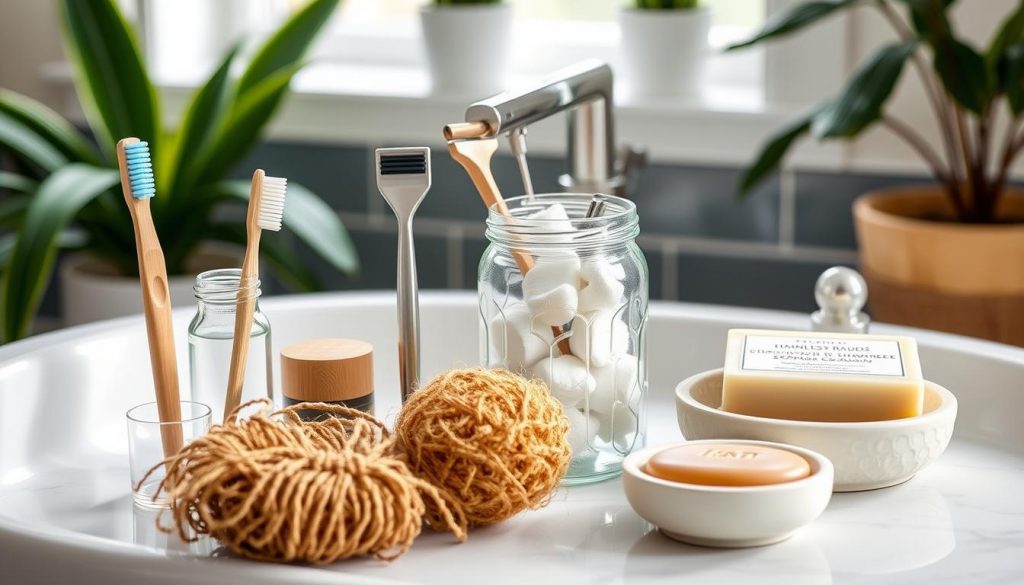
Another trend is reusable makeup remover pads. These pads not only offer a sustainable alternative, but they are also easy to wash and can be used for many months. Bamboo toothbrushes have established themselves as an excellent choice, as they are biodegradable and minimize the use of plastic.
To make your daily routine even more sustainable, consider using solid toothpaste alternatives. These products not only help reduce plastic waste but also promote a healthier lifestyle.
One simple change that is often overlooked concerns packaging. Choosing unpackaged products or using glass jars for storage significantly reduces furniture waste. A suggestion for all environmentally conscious consumers is to look for... plastic-free bathroom products to set.
| product | Traditional | Plastic-free |
|---|---|---|
| Soap | Liquid soap in a plastic bottle | Solid Soap |
| shampoo | Shampoo in a plastic bottle | Solid shampoo bar |
| Makeup remover pads | Disposable pads | Reusable pads |
| toothbrush | plastic toothbrush | bamboo toothbrush |
| toothpaste | Tube of toothpaste | Solid toothpaste |
Simply switching bathroom products can have a significant impact on the environment. It's the first step towards more sustainable consumption and contributes to a plastic-free future.
Zero waste when shopping
Promoting sustainable purchasing habits plays a crucial role in the pursuit of zero waste shoppingMore and more people are choosing to... Shopping without packaging to practice as an environmentally conscious alternative to conventional shopping methods. In Germany, around 12 million tons of food are wasted annually along the value chain, a significant portion of which is attributable to private household consumption. On average, each person throws away 75 kilograms of food, half of which is still edible.
Choosing to buy locally sourced food not only supports local producers but also reduces transport distances and thus the carbon footprint. Seasonal products have the potential to significantly reduce environmental impact. Proper food storage can extend shelf life. For example, bread stays fresh when stored in a special bread bag in the oven.
In addition, surplus vegetables can often be put to good use. Making vegetable broth from peels and scraps not only reduces waste but also prevents food waste. The application of the leaf-to-root principle, in which all parts of plants are used, represents another example of this. sustainable shopping habits.
Bea Johnson, a pioneer of the zero-waste movement, is an inspiring example of how a household can produce only a small jar of waste in a year. Her approach of making her own cleaning and personal care products shows how conscious choices and creative solutions can pave the way to a more sustainable lifestyle. zero waste shopping This is being paved the way. Avoiding unnecessary packaging and adhering to sustainable principles can contribute to a significant reduction in waste.
Reusable alternatives in the bathroom
There are numerous possibilities in the bathroom, reusable bathroom products to integrate these measures to significantly reduce waste. The focus is on plastic-free hygiene and sustainable bathroom use. Reusable menstrual products such as menstrual cups or washable pads are a popular option, as they can reduce not only waste but also costs in the long run.
Another example is washable makeup remover pads. These replace conventional disposable cotton pads and thus contribute to reducing packaging waste. Solid soap is an environmentally friendly alternative to shower gel and is offered in loose form in many organic shops, significantly reducing plastic waste.
Furthermore, using bamboo toothbrushes offers a plastic-free option for dental care. These sustainable alternatives are not only good for the environment but also often effective. Using solid deodorants, which are virtually packaging-free, also contributes to reducing bathroom waste.
The following table summarizes some of the reusable alternatives:
| Product category | Reusable alternative | Advantages |
|---|---|---|
| feminine hygiene | Menstrual cups, washable pads | Reduces waste, saves money |
| Facial care | Washable makeup remover pads | Less waste, cheaper |
| Body care | Solid soap, solid deodorants | Less packaging, more sustainable |
| Dental care | Bamboo toothbrushes | Plastic-free, biodegradable |
By choosing such reusable products, not only is your own household made more environmentally friendly, but you also contribute to promoting plastic-free hygiene and sustainable bathroom use.
Household items for the zero-waste kitchen
Playing in the zero-waste kitchen household items an important role. Homemade cleaning products Using everyday ingredients not only benefits the environment but also your wallet. Here are some effective recipes for eco-friendly cleaning products:
- All-purpose cleaner: 1 part water, 1 part vinegar and a few drops of essential oil provide a fresh scent and thoroughly clean surfaces.
- Oven cleaner: A paste made from baking soda and water is easy to apply and helps to remove stubborn grease residue.
- Glass cleaner: Use a mixture of water and lemon for streak-free windows and mirrors.
Using homemade cleaning products reduces the need for expensive chemical alternatives and significantly lowers household plastic waste. Approximately 901,000 euros of the cost of purchased cleaning products can be saved by using homemade mixtures. This not only promotes zero waste cleaning, but also contributes to relieving the burden on the environment.
Furthermore, it is important to reuse previously used containers. Old jars or bottles are perfect for storing these. household itemsThe combination of creative recycling and homemade products is a simple way to reduce plastic consumption.
By making simple transformations in the kitchen, households are demonstrating how environmentally friendly and economical cleaning is possible. Switching to such alternatives can also promote healthy habits for the whole family.
Zero-waste planning for the kitchen and bathroom
The zero waste planning It proves to be a key component in making a lifestyle sustainable. A well-thought-out sustainable budget planning It reduces waste and conserves resources. An effective first step is creating a precise shopping list. The focus is on unpackaged foods, which reduces the consumption of packaging materials. These lists help avoid impulse purchases and control spending.
Preparing meals plays a central role in the implementation of zero waste ideasStudies show that careful planning can reduce food waste by up to 301 TW. It's worthwhile to use fresh foods like stone fruits or salad greens quickly, while shelf-stable products like pulses, rice, and pasta can be stored for longer periods.
Another important element in the zero waste planning This applies to the bathroom. Setting clear goals for zero waste motivates the use of reusable razors or beeswax wraps instead of disposable items. Such measures not only reduce environmental impact but can also cut monthly expenses by €20-301.
| measure | To use |
|---|---|
| Creating a shopping list | Avoiding impulsive purchases |
| Plan meals | Reduction of food waste by up to 30% |
| Use of reusable products | Significant reduction in plastic waste |
| Composting | Recycling of up to 50% of organic waste |
A responsive approach to food prices and expiration dates further optimizes consumption. Through targeted sustainable budget planning This not only improves everyday processes, but also conserves resources and minimizes the ecological footprint.
The role of DIY projects in everyday life
DIY projects play a crucial role in implementing a sustainable lifestyle. They not only offer creative solutions but also help save money. Sustainable craft ideas are both exciting and practical, and allow everyone to homemade products to produce for everyday use. Instead of relying on conventional industrial goods, high-quality alternatives can be created from reusable materials.
One example of creative implementation is upcycling projects that promote the use of packaging waste such as egg cartons and cardboard. These materials can be transformed into useful objects and actively contribute to... Waste prevention By reusing existing materials, a family can not only reduce waste, but also find a cost-effective solution to many everyday problems.
- Homemade cosmetic products, such as DIY bath salts, are very popular. They represent a wonderful sustainable alternative to industrially produced versions.
- The production of sustainable party accessories for celebrations shows that festivities can also be designed in an environmentally friendly way.
- Simple DIY projects like a wild bee hotel allow children and adults to be creative together, making the importance of nature visible to all age groups.
- The creative use of materials such as toilet paper rolls for confetti cannons demonstrates the potential of everyday waste.
During Advent, people can demonstrate their creativity by making their own gifts and decorations. sustainability It can also be personal and individual. Creative DIY projects They emphasize that everyone can contribute to waste reduction. Regardless of the materials and techniques chosen, the fun of crafting and the joy of creativity always remain paramount.
Conclusion
Switching to a zero-waste lifestyle, especially in the kitchen and bathroom, not only offers significant environmental benefits but also enriches one's own life. Simple and creative approaches can reduce food waste and rediscover traditional cooking habits. The key to a sustainable lifestyle The key lies in the gradual implementation of the tips presented. This way you can reduce your ecological footprint while simultaneously exploring new tastes and recipes.
Using reusable materials, such as silicone baking mats or cloth napkins, shows how easy it is to reduce waste. Conscious meal planning and freezing leftovers also help minimize waste. Even creative ideas, like turning kitchen scraps into fertilizer, support an environmentally conscious lifestyle while simultaneously having a positive impact on nature.
The zero-waste movement offers an inspiring perspective on how we can make life simpler and more fulfilling through more conscious choices in our daily lives. By familiarizing yourself with the movement's initiatives, such as those presented in this article Having been introduced, you are well equipped to break new ground and thus make the world a little more sustainable.
FAQ
What is the zero-waste movement?
The zero-waste movement is a global initiative that aims to reduce waste, conserve resources, and promote a sustainable lifestyle. It encourages people to avoid single-use products and choose environmentally friendly alternatives.
How can I convert my kitchen and bathroom to zero waste?
To make your kitchen and bathroom zero-waste, you can start by buying unpackaged products, using reusable utensils, and introducing solid soaps and shampoos. Plan your shopping and meals strategically to minimize waste.
What are the advantages of a zero-waste kitchen?
A zero-waste kitchen helps reduce food waste, lowers costs by avoiding packaged products, and promotes a healthy diet. It also reduces plastic consumption and CO2 emissions.
What are some practical tips for reducing waste in the kitchen?
Tips for Waste prevention In the kitchen, this includes using glass containers instead of plastic bags, shopping at zero-waste stores, and introducing compostable waste. Small changes can have a big positive impact on the environment.
How can I switch to environmentally friendly alternatives for my bathroom products?
Switching to eco-friendly bathroom products includes using solid soaps and shampoos, reusable makeup remover pads, and bamboo toothbrushes. These options are not only environmentally friendly but also promote a healthier lifestyle.
How can I implement zero-waste practices when shopping?
To practice zero waste while shopping, use reusable shopping bags, shop at zero-waste stores, and avoid products with unnecessary packaging. Buying locally supports small producers and reduces your carbon footprint.
What reusable products are available for the bathroom?
In the bathroom, you can use reusable menstrual products, washable towels, and innovative alternatives like bidets. These help reduce waste and contribute to a more sustainable lifestyle.
How can I make my own environmentally friendly cleaning products?
Environmentally friendly cleaning products can easily be made from everyday household ingredients such as vinegar, baking soda, and citric acid. These products are not only safer but also inexpensive and effective.
What does zero-waste planning mean for everyday life?
Zero-waste planning includes creating a packaging-free shopping list, strategic meal planning to minimize leftovers, and setting goals for a sustainable lifestyle in the kitchen and bathroom.
How can I integrate DIY projects into my everyday life?
DIY projects are a great way to make your own eco-friendly products, whether it's soap, cleaning products, or cosmetics. These creative endeavors are fun and promote a sustainable lifestyle.