
How you can shop sustainably, regardless of the season

Advertisement
The way in which you can shop sustainably and regardless of the season, is a revolutionary act in the fashion world.
The fast fashion industry continuously releases new, short-lived collections. This system causes enormous environmental and social damage worldwide.
The key to a future-proof wardrobe lies in moving away from short-term trends.
We need to make conscious choices and invest in durable, versatile clothing. Sustainable consumption means maximizing the lifespan of our clothes.
Why is shopping regardless of the season important for the environment?
The fashion industry is one of the biggest polluters. It consumes enormous amounts of resources, from water to chemicals.
The constant cycle of spring, summer, autumn and winter promotes this wasteful consumption cycle.
By you can shop sustainably and regardless of the season, you break this harmful cycle.
You focus on timeless garments that work all year round. This reduces the demand for constantly new, resource-intensive productions.
++ What do GOTS, OEKO-TEX & Co. mean? Sustainability labels explained.
What does "slow fashion" mean in contrast to "fast fashion"?
Fast fashion is based on low quality and high turnover. Clothing quickly ends up in landfills, often after only a few wears. The pressure to constantly buy new trends is immense.
“Slow fashion,” on the other hand, stands for quality, durability, and ethical production. It's about buying more consciously and less frequently.
This philosophy is essential if you can shop sustainably and regardless of the season.
See also: How sustainable fashion reduces your carbon footprint
What is the carbon footprint of the traditional fashion industry?
The environmental impact of fashion is alarming. Worldwide, textile production causes over 1.2 billion tons of CO2 equivalents annually.
That's more than the emissions from international air and sea transport combined. This alarming statistic illustrates why our purchasing behavior needs an immediate change.
Extending the lifespan of our clothing by just nine months can reduce the CO2 footprint by up to 30%.
See more: Sustainable swimwear: Swimming in an environmentally friendly way
What are the disadvantages of traditional seasonal thinking in fashion?
Traditional seasonal thinking leads to massive overproduction and waste. Unused stock and unsold clothing are often destroyed. This waste places an unnecessary burden on the environment.
Industry forces consumers to constantly need something new. Those who break free from this pressure also free themselves from this unnecessary buying urge.
This allows for a much more relaxed and conscious approach to one's own wardrobe.
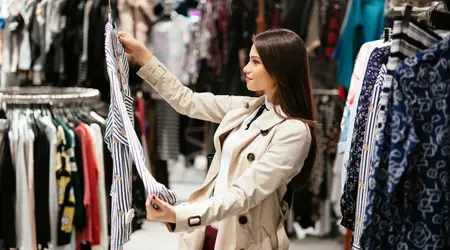
How can you transform your wardrobe into one that offers timeless versatility?
To really you can shop sustainably and regardless of the seasonYou need to build your wardrobe strategically.
The goal is a Capsule WardrobeThis consists of a few, but versatile, clothing items.
Focus on neutral colors and classic cuts. Invest in high-quality basics that can be layered to suit any temperature. Quality should always be more important than quantity.
What are the key elements of a "capsule wardrobe"?
A capsule wardrobe consists of approximately 30 to 40 pieces that work year-round. This includes a high-quality trench coat that can also be worn in spring, or a versatile black turtleneck.
An original example: A Merino wool sweater It works as a warming layer in winter and as a breathable evening layer in summer.
Its natural, temperature-regulating properties make it ideal for this approach.
Which materials are best suited for all seasons?
Choose materials with natural, thermoregulating properties if you can shop sustainably and regardless of the seasonThese include organic cotton, linen, hemp and recycled fibers.
Linen is cooling in summer, but its layered look also makes it wearable in autumn. Merino wool warms without overheating.
These materials offer comfort and durability, reducing the need for constant repurchases.
Why is second-hand shopping an ideal form of year-round consumption?
Second-hand shopping is the ultimate form of sustainability. It dramatically extends the lifespan of clothing and reduces the need for new resources. Nearly 701,030 Germans bought used clothing in 2024 (statistics).
If you can shop sustainably and regardless of the seasonSecond-hand shops are the first place to look. Vintage pieces are often more timeless and of better quality than modern fast-fashion products.
What role does the purchase of “transitional pieces” play?
Transitional Pieces These are garments that are perfect for the transition between seasons.
Think of light cardigans, denim jackets, or ankle-length trousers. These can be worn all year round.
A T-shirt made of thick organic cotton can be worn on its own in summer. In winter, it serves as a base layer under a blazer.
This versatility maximizes the usefulness of each individual garment.
What ethical aspects does sustainable and season-independent shopping entail?
Sustainability does not end with environmental impact assessment; it also encompasses ethical and social justice.
Anyone wondering how you can shop sustainably and regardless of the seasonThe origin of the clothing must be verified. Fair wages and safe working conditions are non-negotiable.
Focusing on durable, ethically produced clothing supports brands that maintain transparent supply chains.
This is a direct protest against the exploitative practices of fast fashion corporations.
How can I recognize truly fair and sustainable fashion labels?
Look for certifications that cover both environmental and social standards.
Important quality seals are the GOTS (Global Organic Textile Standard) and Fair Trade CertifiedThey offer a certain guarantee of transparency.
However, be skeptical of purely promotional claims. True sustainability requires transparency across the entire supply chain.
Ask: Who did it, where was it done, and under what conditions?
How does my purchasing behavior affect working conditions?
Every purchase from a fast-fashion chain signals that we accept low prices at the expense of garment workers. These people often work in appalling conditions for starvation wages.
By you can shop sustainably and regardless of the season By supporting fair brands, we promote better wages.
This contributes to the economic strengthening of workers in the producing countries.
Is it possible to implement sustainability on a small budget?
Yes, absolutely. The biggest misconception is that sustainable fashion always has to be expensive. The most sustainable option is always what's already hanging in your closet.
The best analogy is a Restaurant visitIt is cheaper to buy a ready-made meal (fast fashion), but healthier and more satisfying in the long run to prepare the meal yourself with good ingredients (slow fashion).
Second-hand shopping and clothes swapping are also budget-friendly options.
How can I make my existing clothes last longer?
Extending the lifespan of products is the most effective step towards sustainable consumption. Learn simple repairs like sewing on buttons or mending small tears. Repairing instead of discarding is the new motto.
Take proper care of your garment: Wash less frequently, wash in cold water, and air dry. This protects both the fibers and the environment.
A long lifespan for your clothes is the best proof of truly sustainable shopping.
Criteria for season-independent and sustainable shopping
| criterion | Fast Fashion (Seasonal) | Sustainable/season-independent shopping | Ecological advantage |
| Material selection | Synthetic, low quality | Organic cotton, linen, merino wool, recycled fibers | Reduction of chemicals and water consumption |
| life | Short (less than 1 year) | Long (more than 5 years) | Massive reduction of textile waste |
| Purchase cycle | 52 micro-collections per year | 2-4 strategic purchases per year | Reduces production pressure |
| Origin | Opaque, often low wages | Transparent, GOTS/Fair Trade certified | Promotes fair working conditions |
| Purchase strategy | Trends and impulse purchases | Capsule wardrobe, layering skills | Maximizes versatility and utility |
The decision how you can shop sustainably and regardless of the seasonIt's entirely up to you.
It is a conscious rejection of the throwaway mentality and a turn towards quality, ethics and longevity.
A minimalist, season-independent wardrobe makes a statement. It's not only better for our planet, but also for our wallet and our conscience.
By buying less often but better quality, we become active shapers of a fair fashion future.
What timeless classic do you already own that proves how well you can shop sustainably and regardless of the season? Share your layering tips in the comments!
Frequently Asked Questions
What is meant by "layering"?
Layering is the technique of wearing several thin garments on top of each other.
This allows you to quickly adapt to changing temperatures. A T-shirt, a light sweater, and a coat will work all year round.
Where can I find reliable second-hand fashion online?
There are many established platforms such as Vinted, Vestiaire Collective, or local online flea markets.
When buying, look for clear photos and detailed descriptions of the condition. Local vintage shops often offer higher quality.
How often should I update my capsule wardrobe?
A true capsule wardrobe doesn't need constant updating. Plan for maximum two to four strategic purchases per year.
These only replace parts that are truly worn out or that fill a functional gap.
Are expensive sustainable brands always better than cheaper ones?
Not necessarily. While fair trade brands have higher initial prices, you're investing in durability and ethics.
However, the cheapest and most sustainable option is, not to buy anything new and instead to swap, borrow or buy used.
What do I do with clothes that I no longer wear, but are still in good condition?
Pass on well-preserved clothing. Use clothing swap parties, donate it to local non-profit organizations, or sell it on second-hand platforms.
The goal is to extend the lifespan as much as possible.