
Secondhand & Upcycling: Fashion without buying new
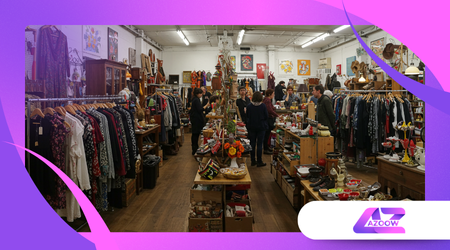
Advertisement
Secondhand & Upcycling: is far more than just a trend for people who simply want to save money.
It's no longer just about wearing secondhand clothes or giving old things a second life. It's about a stance. A decision against overproduction, against a throwaway mentality, and in favor of individuality.
Those who choose fashion without buying new things are consciously choosing not to follow every fast trend, but to rethink fashion – sustainably, creatively and personally.
The constant pressure to always need something new leads to overflowing wardrobes, while nothing really fits. Secondhand clothing offers a new solution.
The pieces tell stories, are often unique, and have character. Upcycling goes a step further. It means not only reusing materials but also transformation. Old becomes new.
What was superfluous becomes a favorite item. Your own garment becomes a canvas, and every seam, every alteration becomes an expression of your own attitude.
What secondhand clothing really means
Buying secondhand doesn't mean sacrificing quality or settling for less.
On the contrary. Secondhand shops often contain clothing made from high-quality materials that are hardly produced in today's fast fashion industry.
Cashmere, linen, or pure cotton – fabrics that last for decades, not just a season. The feeling of finding such a piece is incomparable to buying it in a shopping mall. It's like a discovery, a small adventure.
Secondhand and upcycling are not a compromise. Rather, they are an expansion of possibilities.
Because of the huge selection of existing clothing items, a world of styles, colors, and cuts opens up that is often hard to find in traditional stores. Vintage fashion meets modern combinations.
Old patterns meet new ideas. The result is a style that isn't just mass-produced, but imbued with personality.
+ The role of the digital world in minimalism: How to organize your digital life.
Upcycling as a creative expression
Upcycling is more than just a new term for crafting. It's craftsmanship, art, and a statement all in one. An old shirt becomes a bag.
Ripped jeans become a jacket. Upcycling clothes means taking responsibility for resources – and creating something unique at the same time.
You don't need to be a professional. Often, a needle and thread, a sewing machine, or some fabric glue are all you need. The ideas arise from the materials you have on hand.
What's particularly exciting is that upcycling not only saves clothes, but also memories. Like that T-shirt from vacation that no longer fits.
Grandmother's blouse. The trousers that have become too short. Anything can become the starting point for something new.
This results in fashion that not only stands out visually, but also tells a story. And that's precisely what's so often missing in the world of fast fashion: connection.
Why buying new is no longer necessary
In a time when billions of garments are produced annually and hardly ever worn, the question arises: Does everything really have to be new? The answer is clear – no.
Secondhand & Upcycling: shows that it is not necessary to constantly reach for new things when the best is often already available.
The resources that clothing costs – water, energy, labor – are far too valuable to be carelessly wasted.
Furthermore, new purchases often don't even deliver what they promise. Cheap materials, poor fit, rapid wear and tear. This leads to clothing not being worn for long and quickly ending up in the trash.
Those who choose to buy secondhand or upcycled clothing are making a conscious decision for quality and against waste. Clothing becomes a valuable item again – and not a disposable product.
Fashion as part of an attitude
Choosing to wear fashion without buying new items is always an expression of attitude. It's about making a statement through one's own consumer behavior.
Against an industry that exploits people and the environment. For a future where fashion isn't created at the expense of others. Secondhand & Upcycling: embodies this stance.
And it is becoming increasingly visible. On the streets, in social media, in studios and at fashion markets.
Young people in particular are discovering this form of consumption for themselves. Not only for financial reasons, but also because they are questioning what fashion actually means.
Why should clothes be worthless after being worn once? Why not experiment, combine, and create your own designs? The fashion of the future isn't loud, but conscious. Not perfect, but authentic. Not new, but sustainably conceived.
+ How to choose solar panels for your home in Germany.
The impact on the environment and society
Every garment that doesn't need to be newly produced saves resources: water, energy, chemicals, and transportation.
At the same time, secondhand and upcycling reduces the amount of textile waste that ends up in waste incineration plants or landfills every year.
This means less CO₂ emissions, less pollution, and less strain on people and nature.
But it's not just about numbers. It's also about appreciation. About seeing clothing again as something connected to time, work, and materials.
The decision to pass on, exchange or alter old clothes is also a decision for a culture of sharing and repairing.
It strengthens local structures, supports small shops, studios and creatives. Fashion becomes human again – and therefore valuable.
Questions about secondhand & upcycling: Fashion without buying new
How do I find good secondhand clothes?
The best places to look are small shops, flea markets, or specialized online platforms. It's worth checking back regularly, as the selection is constantly changing.
Do I need sewing skills for upcycling?
Not necessarily. Many projects can be implemented with simple means. With a little creativity and patience, surprising results are often achieved.
Is secondhand fashion hygienic?
Yes, if it's cleaned properly. Most secondhand shops pay attention to cleanliness, and at home a thorough wash at high temperatures helps.
Why is upcycling better than recycling?
Upcycling creates a new product with higher value without destroying the material. Recycling, on the other hand, breaks down and reprocesses materials, which often requires more energy.
Is it possible to upcycle shoes or bags?
Yes, with the right techniques, accessories can also be redesigned or repaired. Old shoes can get new soles, bags new straps – anything is possible.
Where can I find inspiration for my own projects?
On social media, DIY blogs, or at workshops. Even browsing through your own wardrobe can spark new ideas.
Which materials are particularly suitable for upcycling?
Natural fibers such as cotton, linen, or wool are easy to work with and durable. Denim is also excellent for many projects.
Is secondhand fashion also suitable for special occasions?
Definitely. Vintage pieces or carefully combined secondhand items make every outfit unique – even at weddings or events.