
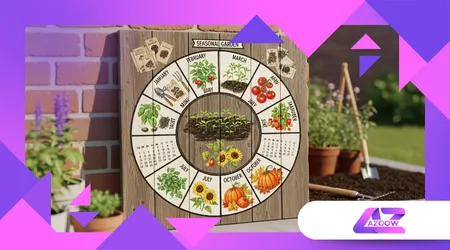
Seasonal calendar for the city garden: What grows when?
Advertisement
Seasonal calendar for the city garden is the indispensable tool for all urban gardeners in 2025.
It ensures that your limited space is used optimally. Knowing the optimal sowing and harvesting times maximizes yields on balconies, roof terraces, or in raised beds.
This planner helps you harvest food with the best taste and highest nutritional value.
It also ensures that you always garden in harmony with the natural growth cycles of your region.
Why is a seasonal planting plan so important in urban areas?
Unlike agricultural operations, urban gardens are limited by a lack of space.
Every square meter must therefore be planted efficiently and precisely throughout the year. A good plan prevents vacancies.
A Seasonal calendar for the city garden This is your roadmap for successful mixed cropping and crop rotation. It helps prevent diseases and sustainably maintain soil fertility.
++ Permaculture and social justice: How are they connected?
How does crop rotation maximize yield in a small space?
Crop rotation means never planting the same plant families in the same location one after the other. This prevents the depletion of soil nutrients.
For example, heavy feeders (like tomatoes) should not be planted after light feeders (like lettuce). A well-planned planting schedule ensures healthy nutrient rotation and thus maximum yields in the smallest possible space.
See more: Micro-gardens in the kitchen: Fresh herbs always at hand
How does the calendar protect against pest infestation?
A well-planned planting schedule supports companion planting, where plants protect each other from pests. This reduces the need for chemical pesticides in your urban garden.
Onions planted next to strawberries or basil next to tomatoes act as a natural protective barrier. This diversity makes it difficult for pests to establish themselves.
See also: How you can store CO₂ with your garden
What makes the microclimate factor in the city special?
Urban areas often have a warmer climate. microclimate on rural regions (the so-called "heat island effect").
This can lengthen the growing seasons, but it can also accelerate drying out.
Your planting calendar must take these local temperature differences into account to avoid frost damage and to make the best use of the summer months.
Which plants thrive best in spring? (March – May)
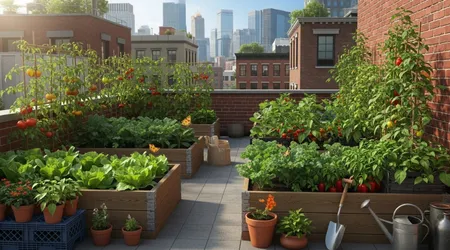
Spring is the most important time for preparing and sowing cold-resistant and early-maturing crops. Now the foundation is laid for a bountiful harvest in the summer.
The first warm rays of sunshine and the still-moist soil offer ideal conditions for fast-growing leafy greens and root vegetables. This time of year requires planning and patience.
Which cultures should you prefer?
Some plants, such as tomatoes, peppers, or eggplants, require a long growing season. These need to be started indoors on a windowsill as early as March.
The Preculture This ensures that the plants are large and strong enough to be planted directly outdoors after the Ice Saints (mid-May). This saves valuable growing time in the summer.
Which vegetables are suitable for direct sowing?
Hardy vegetables such as radishes, spinach, arugula, and lamb's lettuce can be sown directly into the garden beds as early as March. They are cold-tolerant and fast-growing.
This Early starter They often deliver their first harvest after just four to six weeks. They effectively utilize the cooler temperatures before the summer heat sets in.
Why are herbs so productive in spring?
Many Mediterranean herbs, such as thyme and oregano, begin to grow vigorously in spring and can now be divided. Culinary herbs like parsley and chives also benefit from the cool, damp weather.
Early pruning stimulates growth and ensures bushy, productive plants throughout the summer. Fresh herbs are the best proof of a successful start.
How can you make the most of summer? (June) –August)
Summer is the peak season for harvesting and growing heat-loving crops. Now you can reap the rewards of your pre-cultivation efforts. The beds should be harvested continuously and replanted immediately.
At the same time, summer is the time for sowing the second wave and autumn crops. Plan gap fillers immediately to avoid wasting growing time.
Which plants should be harvested now?
In June and July, the main crops such as tomatoes, zucchini, cucumbers, and beans reach full ripeness. These so-called Heavy feeders They now need the most care and nutrients.
Regular harvesting encourages the formation of new flowers and fruits, which increases the overall yield over the season.
What can still be sown in the height of summer?
Many fast-growing vegetables can be sown in July and August for a late harvest. These include radishes, Chinese cabbage, and various types of lettuce, which tolerate heat better.
These plants can fill the gaps left after the harvest of early potatoes or garlic. Seasonal calendar for the city garden This avoids empty spaces.
Why is proper irrigation critical in summer?
Due to urban heat islands and the small amount of soil in pots, plants dry out quickly. Consistent watering, ideally in the morning, is crucial for fruit production.
Lack of water leads to blossom end rot in tomatoes and bitter fruit in cucumbers. A well-thought-out irrigation strategy ensures a successful summer harvest.
What needs to be considered in autumn and winter? (September – February)
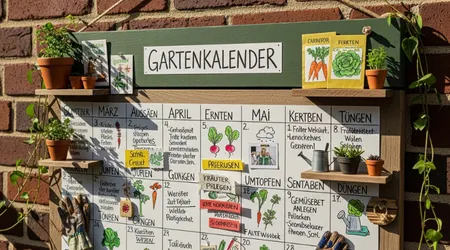
Autumn is the time of the main harvest and preparation for the cold. Many root vegetables and cabbage varieties reach their peak quality now. The harvest often lasts until the first frost.
Winter doesn't mean the end of gardening. Hardy varieties and protective measures allow for harvesting almost all year round, even in the city.
Which crops are ideal for late harvesting?
Cabbage varieties such as kale, Brussels sprouts, and parsnips benefit from the first frost. It improves their flavor and makes them sweeter. These vegetables are perfect for late sowing.
Root vegetables such as carrots and celery can often remain in the ground until November and be harvested as needed.
How do you extend the harvest into winter?
By using cold framesUsing fleece or a simple polytunnel can significantly extend the harvest season. This creates a protected microclimate for hardy lamb's lettuce or spinach.
These simple measures make the difference between a winter harvest and a completely empty garden bed.
The "2-harvest" trick with beans
An urban gardener cannot simply remove the plants after harvesting the first bean plants in July.
Beans fix nitrogen in the ground. You simply cut them off at ground level and plant a new crop (such as kohlrabi) directly in the nitrogen-enriched soil.
This utilizes the groundwork laid by the beans and saves on the addition of expensive fertilizer. This is a direct result of strategic planning in the Seasonal calendar for the city garden.
Overwintering in a pot
Many Mediterranean herbs kept in pots on the balcony need protection. You can wrap the pots with burlap and place them directly against the house wall.
This simple insulation prevents the root balls from freezing. This ensures a harvest of rosemary and sage for the following spring.
| season | Main activity | Recommended crops (examples) | Key strategy |
| Spring (March–May) | Pre-cultivation & direct sowing | Tomatoes, peppers (start indoors), radishes, spinach, herbs | Frost protection, soil preparation |
| Summer (June–Aug) | Main harvest & reseeding | Zucchini, cucumbers, beans (harvest), Chinese cabbage, lettuce (resowing) | Regular harvesting, filling gaps |
| Autumn (Sept–Nov) | Late harvest & green manure | Kale, leeks, parsnips (harvest), mustard, clover (sowing) | Soil protection, preparing for winter |
| Winter (Dec–Feb) | Peace & Planning | Lamb's lettuce, Brussels sprouts (harvest with protection), garden planning for the following year | Soil protection, compost care |
How can the nutritional value of the soil be preserved throughout the year?
The intensive use of small urban garden plots requires a constant replenishment of nutrients and improvement of soil structure. Without compost and green manure, the soil quickly becomes depleted.
Healthy soil is the foundation for healthy plants and maximum yields. The gardener nourishes the soil, not the plant.
What benefits does green manure provide during the dormant phase?
In late autumn and winter, you should plant vacant beds with Green manure Plant (e.g., mustard or clover). These plants cover the soil, prevent erosion, and store nutrients.
This method prevents the soil from lying fallow during the winter and provides organic matter for the following spring. The green manure should be worked into the soil before sowing in the spring.
What role does one's own compost play in the cycle?
Kitchen scraps and garden waste should be recycled in a municipal compost bin or worm composter. This nutrient-rich, homemade compost is the best food for your soil.
The compost closes the nutrient cycle of the Seasonal calendar for the city gardenThis is particularly important because nutrients cannot be supplied from the outside as they can be in rural areas.
Why are peat-free soils essential?
Peat-free potting soils are more environmentally friendly because their extraction protects peatlands, which are important carbon sinks. Modern peat-free mixtures of compost, wood fibers, and coconut coir also improve soil structure.
Statistics: According to estimates from 2024, the proportion of hobby gardeners in Germany who have switched to peat-free soils has risen to over 65%, demonstrating the clear trend towards sustainability in urban areas.
Conclusion: Planning is the key to green success
The Seasonal calendar for the city garden is the backbone of successful urban gardening.
It transforms limited areas into maximally productive biotopes. It is your most important tool against chaos, pests, and crop failures.
By respecting natural cycles and planning precisely, you can harvest fresh, healthy food almost all year round.
The true value lies in the independence and the taste of homegrown produce. Plan your second wave now!
What winter vegetables will you grow in your urban garden this year? Share your experiences and insider tips in the comments!
Frequently Asked Questions
When is the right time for the "Ice Saints" usually?
The Ice Saints traditionally take place in mid-May (from May 11th to 15th). Before this date, heat-sensitive plants such as tomatoes should not be planted outdoors to avoid late frosts.
What are heavy feeders and why are they problematic?
Heavy feeders are plants with high nutrient requirements (e.g., tomatoes, pumpkins). They quickly deplete the soil. Therefore, they should not be grown in the same location in consecutive years.
Can I really still harvest anything in winter?
Yes, with simple cold protection (fleece, foil) you can harvest hardy varieties such as lamb's lettuce, kale or purslane well into winter.
What is better: a pot or a raised bed for the city garden?
A Raised bed It offers more soil volume and better drainage, resulting in more stable temperatures and higher yields. Pots are more flexible but dry out faster.
How often do I have to do this? Seasonal calendar for the city garden adjust?
The calendar should be updated annually based on your local data. Microclimate conditions (e.g. wind, sun, shadows from buildings) and slightly adjusted to the actual harvest results of the previous year.