
Composting in the city: 5 space-saving methods without odor
Advertisement
Composting was long considered something for rural areas. Plenty of space, a garden, maybe a few chickens nearby.
But now the desire for greater sustainability is also making its way into urban apartments and onto balconies. More and more people are discovering that composting in the city It can not only be possible, but surprisingly easy – if you know what's important.
The idea that compost smells unpleasant, attracts insects, and wastes space is persistent. But this image is outdated.
New technologies, modern containers and a better understanding of biological processes make it possible to recycle kitchen waste in an odor-neutral and efficient way – right in the middle of the city.
Anyone who delves into the topic quickly realizes: it's not just about reducing waste. Composting changes our relationship with food.
It brings back a sense of control. A piece of nature in everyday life. And the good feeling of doing something meaningful with your leftovers.
Why composting also works in small apartments
City apartments are rarely spacious. But most composting methods don't require a garden. A well-designed compost bin takes up hardly more space than a bucket.
It is important that the conditions are right. Air supply, moisture, and a good balance between wet and dry materials ensure that the composting process is odorless.
Especially in kitchens with limited space, it's crucial that the system is easy to use. Nobody wants to be thinking about how much newspaper to put in the bin while they're cooking.
That's why systems that function with minimal effort are becoming increasingly popular. They produce no odors, no flies – just nutrient-rich humus for plants.
An additional advantage: Composting significantly reduces the volume of residual waste. In many households, up to 40 percent of waste consists of organic materials. Separating these saves space, weight, and, in the long run, costs.
+ How to choose environmentally friendly and sustainable fabrics.
The psychology behind composting
Composting in the city, which at first sounds like an environmentally friendly measure, often changes more than just the garbage bag. People who compost regularly report a sharpened perspective on their own consumption.
People are buying food more consciously. Less fruit and vegetables end up uneaten in the trash. They are becoming more mindful of their own behavior.
Composting can also have an effect on an emotional level. The cycle of decomposition and regeneration conveys a sense of meaning.
Especially in cities, where life often seems fast-paced and abstract, this natural process brings back a calm, tangible dimension.
Composting becomes a small, daily meditation. You see how something new emerges from waste. And this new thing, in turn, contributes to the care of plants that improve the air, beautify the balcony, or simply bring joy.
What really helps against odor
One of the biggest concerns about indoor composting is the smell. However, modern methods show that this doesn't have to be a problem. The key lies in the right mix.
A balanced ratio between moist kitchen waste and dry materials such as cardboard, newspaper or leaves prevents rot and thus unpleasant odors.
Regular ventilation is also crucial. Many compost bins for indoor use are designed to allow air to circulate without letting odors escape.
Activated carbon filters, tight lids and intelligent ventilation systems ensure that the kitchen does not smell of garbage.
Those who also pay attention to the right materials – no cooked food, no meat, no oil – can be sure that the composting process remains clean.
The smell of healthy compost is not unpleasant, by the way. It's reminiscent of damp earth in the forest.
Composting on the balcony
For many city dwellers, the balcony is their only connection to the outside world. And it's precisely there that composting can be done without causing any disturbance. Special compost bins or so-called worm farms also fit into small spaces.
They are closed, insulated, and odorless. The worms do most of the work, transforming organic waste into valuable humus.
The advantage of using a balcony is that the temperature is often ideal for the decomposition process. At the same time, visual integration is easy. Many models look like simple boxes and can be planted or arranged decoratively. In this way, function and style merge seamlessly.
This cycle is perfect, especially for people with balcony plants. Kitchen scraps end up in the compost bin. The compost fertilizes the plants. The plants beautify the balcony. And the balcony becomes a small ecosystem in the middle of the city.
Collaborative solutions in cities
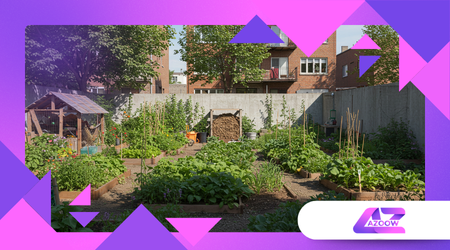
Not everyone has a balcony or space in their kitchen. But there are solutions for that too. More and more cities are promoting community composting.
Places are being created in backyards, community gardens or housing projects where organic waste can be collected and recycled.
These places are more than just practical stations. They foster community, exchange, and environmental awareness.
Those who bring their compost to the collection point once a week get to talk to others, learn about new perspectives and realize that sustainability is more than an individual decision.
Such initiatives demonstrate that composting in the city It doesn't have to be based on individualism. It can be a collective process, driven by people who want to actively shape their environment.
The path to habit
Composting can seem complicated at first. New processes, new terms, new containers. But as with any habit, routine develops over time.
Hands automatically reach for the organic waste. The newspaper is torn into small pieces. And eventually, it all happens automatically – without effort, without thinking.
This routine also changes how we view waste. An apple core is no longer trash.
It's a raw material. Part of a cycle. And this shift in perspective affects other areas of life. Suddenly, you find yourself asking more often: Where does what I throw away go?
Anyone who has ever witnessed kitchen scraps transforming into fertile soil will never forget that feeling. It fills you with pride. It brings peace. And it makes it clear that change begins on a small scale – without much effort, but with real results.
Frequently asked questions about composting in the city
Can I really compost in a small apartment without it smelling?
Yes. With the right container, sufficient ventilation, and a balanced mix of moist and dry materials, the compost remains odorless.
Which types of waste are not suitable for composting in a city apartment?
Cooked foods, meat, fish, dairy products, and heavily spiced leftovers should be avoided. They promote decay and attract unwanted pests.
How long does it take until the compost is ready for use?
It depends on the system. In a worm farm, it's often faster, about two to three months. In traditional containers, it can take longer.
Do I need special equipment or is a simple bucket sufficient?
A bucket can suffice if it is well-ventilated and regularly maintained. However, special systems with filters or multiple chambers make it easier and cleaner.
What do I do with the finished compost if I don't have a garden?
You can use it to fertilize balcony plants or potted plants indoors. Excess compost can also be given away or donated to community gardens.
How can I prevent fruit flies from appearing?
Lids with activated carbon filters, regular covering with newspaper or soil, and avoiding excessive moisture are effective against fruit flies.