
Fair fashion for pregnant women: Sustainable throughout pregnancy

Advertisement
Fair fashion for pregnant women By 2025, it will no longer be a niche market, but rather an expression of a profound shift in awareness among expectant mothers worldwide.
In light of the environmental challenges, pregnant women are increasingly looking for clothing that is neither harmful to the skin nor to the environment.
This form of fashion combines aesthetic ambition with ethical responsibility and ecological foresight.
Sustainability during pregnancy today means making conscious decisions that last beyond birth.
Why is fair fashion so important for pregnant women today?
The decision for Fair fashion for pregnant women It protects both the expectant mother and the unborn child from harmful chemicals.
Conventional fashion often uses pesticides and toxic dyes that can be absorbed through the skin.
Furthermore, fair brands rely on transparent supply chains and guarantee living wages for textile workers.
Buying fair trade means investing in a world where the next generation can grow up safely.
What health benefits do ecological materials offer?
Certified organic cotton and Tencel are particularly breathable and prevent skin irritations that can occur more frequently during pregnancy.
These substances are free of hormonally active substances, which is essential for the child's development.
Natural fibers regulate body temperature naturally and offer unparalleled comfort during hormonally induced hot flashes.
They are the safest choice for sensitive skin during this special phase of life.
++ How you can shop sustainably, regardless of the season
How does fair fashion support global social justice?
Women make up approximately 80% of the global workforce in the garment industry, often working under precarious conditions. Fair fashion ensures that these women are paid fairly and receive maternity protection.
By choosing Fair fashion for pregnant women By choosing to support better living conditions for families on the other side of the world, you are directly contributing to improved living conditions for families.
It is an act of solidarity between mothers across all borders.
See also: What do GOTS, OEKO-TEX & Co. mean? Sustainability labels explained.
Why does longevity play a central role?
In sustainable fashion, quality takes precedence over quantity, which makes a significant difference, especially in maternity wear.
High-quality fabrics retain their shape even when stretched extensively and washed frequently.
Many sustainable clothing items can easily be passed on to friends or used for future pregnancies. This reduces textile waste and saves the growing family money in the long run.
See more: Sustainable swimwear: Swimming in an environmentally friendly way
What does current research say about textile consumption?
According to a study by International Journal of Environmental Research and Public Health From 2024, over 30 % conventional textiles contain concerning residues.
This finding reinforces the decision of many parents to rely on certified Fair fashion for pregnant women to switch.
Clean clothes are no longer a luxury item, but a preventative measure for health.
The research underlines the need to massively tighten ecological standards in textile production worldwide.
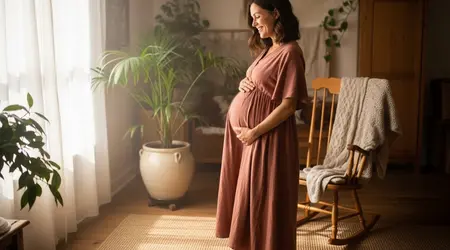
How does a sustainable wardrobe work during pregnancy?
A minimalist concept is the basis for Fair fashion for pregnant women to meaningfully integrate into everyday life.
Instead of cheap mass-produced goods, smart women choose versatile essentials that grow with their growing belly.
The focus is on cuts that, thanks to elasticity or clever wrapping techniques, fit throughout all three trimesters. This keeps the wardrobe organized and minimizes the environmental impact of impulse buys.
What basics are essential for expectant mothers?
High-quality leggings made from organic cotton and a well-fitting maternity shirt form the foundation of any sustainable wardrobe.
These pieces can be combined stylishly and easily with existing cardigans or loose shirts.
Invest in a high-quality nursing dress that offers space during pregnancy and remains functional afterwards.
Such “double-duty” pieces are the heart of an efficient and environmentally friendly maternity wear collection.
How can I recognize genuine sustainability when making a purchase?
Look for recognized labels such as GOTS (Global Organic Textile Standard) or the Fair Trade label. These certifications guarantee strict ecological criteria and fair working conditions throughout the entire production chain.
Avoid brands that use vague terms like "natural" without concrete evidence. Real Fair fashion for pregnant women is characterized by transparent disclosure of production sites and materials.
What are some innovative examples of fashion that grows with the child?
An original example is the "modular pants", which fit perfectly from the first month until after birth thanks to adjustable inserts.
Jacket extenders that transform conventional jackets into maternity jackets are also a smart, sustainable solution.
Such innovations prevent clothing from having to be disposed of after just a few months. They promote a circular economy in which every garment can reach its full potential.
What analogies help in understanding slow fashion?
Think of your wardrobe like a valuable garden: it's better to plant a few strong trees than many short-lived weeds. Quality takes time to grow, but it offers protection and enjoyment for years to come.
The same applies to Fair fashion for pregnant womenA quality piece is like a loyal companion that safely guides you through this transformative time.
Don't we want to leave our children a world as pure as their own skin?
What are the advantages of fair fashion after pregnancy?
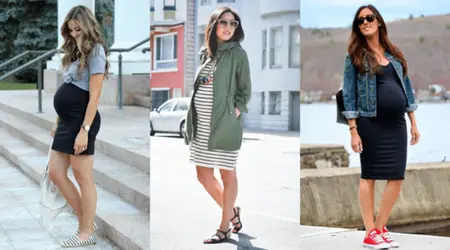
Sustainable maternity wear doesn't end with childbirth, but is often designed for the subsequent breastfeeding period.
Many designs from Fair fashion for pregnant women are designed to look modern and flattering even without a baby bump.
The investment therefore pays off twice over, as the clothing remains part of the basic wardrobe for years to come.
This breaks the vicious cycle of throwaway fashion and promotes a conscious use of resources.
Why is the period after birth crucial for textiles?
During breastfeeding, there is very close skin contact between mother and child, which is why pollutant-free materials are of utmost importance. The baby breathes in these materials directly and comes into intensive contact with them.
Furthermore, avoiding synthetic fibers reduces sweating, which improves well-being during the postpartum period. Fair fashion for pregnant women This ensures a healthy environment even after birth.
How can fair maternity wear be reused?
Should the items no longer fit, the second-hand market for fair fashion offers excellent resale values.
Because the quality is high, the garments remain attractive even for the second or third owner.
Platforms for pre-owned fair fashion will experience a huge surge in popularity among environmentally conscious parents in 2025. This completes the cycle, making sustainable consumption accessible and attractive for all income levels.
What practical tips are there for care?
Wash your organic textiles with environmentally friendly detergents at low temperatures to protect the fibers and the environment.
Air drying extends the lifespan of the elastic inserts, which are so important during pregnancy.
Avoid chemical fabric softeners, as these can impair the breathability of natural fibers such as linen or organic wool. Proper care is an essential part of sustainability. Fair fashion for pregnant women.
How does fair fashion affect a mother's self-esteem?
Feeling comfortable in one's own skin and clothing massively strengthens mental health during the physical adjustment phase.
Fair fashion expresses self-respect and respect for one's own body and the environment.
People who know their clothes were produced under fair conditions wear them with a completely different aura. This positive energy unconsciously spreads to the well-being of the entire family.
Material comparison for sustainable maternity wear
| material | Ecological advantage | Wearing comfort | durability |
| organic cotton | No use of pesticides, low water consumption | Very soft, hypoallergenic | Tall, very easy to care for |
| Tencel (Lyocell) | Made from wood in a closed-loop system | Silky cool, moisture-regulating | Medium, needs gentle washing |
| Linen | Fast-growing, needs hardly any fertilizer | Extremely breathable, cooling | Very high, softens over time |
| Recycled nylon | Reduces plastic waste in the oceans | High elasticity (ideal for leggings) | Very high, dimensionally stable |
In summary, it can be said that Fair fashion for pregnant women represents the smartest choice for health, environment and social fairness in 2025.
By focusing on pollutant-free materials and durable designs, expectant mothers not only protect themselves, but also send a strong message for a better future.
A minimalist approach with versatile basics reduces stress and conserves resources.
Ultimately, fair fashion is an investment in quality of life that extends far beyond the nine months of pregnancy.
Have you already had experience with sustainable maternity wear, or are you still looking for the perfect basics? Feel free to share your tips and experiences with us in the comments!
Frequently Asked Questions
Is fair fashion for pregnant women more expensive than conventional fashion?
Fair trade items are often slightly more expensive to buy, as fair wages and organic materials come at a price. However, since you need fewer items and they last longer, the cost-benefit ratio is usually better.
Can I simply buy regular clothes in larger sizes?
This is only recommended to a limited extent, as special maternity wear offers space in the right places (belly, chest) without being too wide at the shoulders. Fair fashion for pregnant women is anatomically optimized.
Where can I find trustworthy brands for fair maternity wear?
Look for specialized online shops for sustainable fashion or use apps like "Good On You". These apps rate brands based on their performance towards the environment, workers and animals.
Is it enough to buy clothes made only of cotton?
Cotton is good, but be sure to look for the "organic" certification. Conventional cotton is one of the most intensively treated crops worldwide with pesticides, which can be harmful to your health.
Is there fair fashion available for breastfeeding?
Yes, almost all brands that Fair fashion for pregnant women They also offer clothing with integrated breastfeeding features. This clothing is designed so discreetly that it can be worn as regular fashion even after breastfeeding.