
The advantages of second-hand clothing and second-hand shops.
Advertisement
In recent years, awareness of sustainability and Environmental friendliness in the fashion industry.
Second-hand clothing plays a central role in this, as it not only contributes to reducing waste but also offers real financial benefits.
In 2020, clothing sales in Germany amounted to an impressive 55 billion euros. Through the purchase of Second-hand clothing Consumers often save a considerable amount of money, as these items can be up to 70 percent cheaper on average than new goods.
The search for unique styles in Second-hand-Stores enable people to express themselves individually while making environmentally conscious purchasing decisions.
In particular Second-handChildren's clothing is an excellent example of sustainable consumption, as children grow quickly and the clothes are usually hardly worn out.
Furthermore, the trend towards using online platforms such as Vinted and eBay Classifieds promotes the exchange and reuse of goods, which is not only financially but also ecologically beneficial.
Second-handShopping therefore not only offers the opportunity to save costs, but also makes an important contribution to reducing the overproduction of new goods.
Introduction to the world of second-hand clothing
Second-hand clothing has gained popularity in recent years. This form of clothing refers to items that have already been worn by someone else. They offer an excellent opportunity to act in an environmentally conscious way while refreshing your wardrobe. Buying opportunities They are diverse and range from established second-hand shops to online platforms like Vinted.
The selection of used clothing The selection is enormous. Buyers can find not only everyday clothing, but also unique items. Vintage fashion and designer fashion at affordable prices. While the world increasingly relies on fast fashion, second-hand items represent a sustainable alternative that benefits both the environment and your wallet.
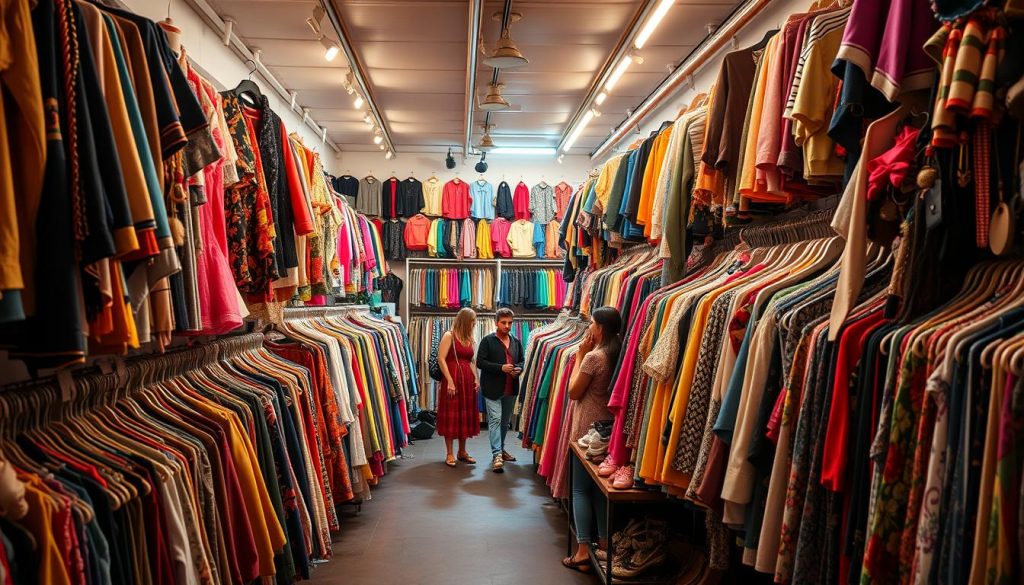
A visit to a second-hand shop can be an exciting journey of discovery. Many people love browsing the shelves and finding hidden treasures. These purchases not only support local businesses but also help reduce the amount of textiles ending up in landfills. The world of second-hand clothing offers a wealth of options and thus a way to consume more consciously.
Why second-hand clothes are environmentally friendly
Second-hand clothing offers an excellent opportunity to promote Environmental friendliness and sustainable consumption. Buying used items helps reduce the need for new materials, which significantly reduces resource consumption and environmental impact. According to Greenpeace, 85 percent of the contents of Germans' wardrobes consist of new clothing. As a result, the textile industry is responsible for 10 percent of global greenhouse gas emissions.
A key aspect of Environmental friendliness of second-hand clothing lies in the Recycling of clothingOnly 40 percent of all fabrics are reused or recycled. The rest is incinerated or disposed of in landfills. Therefore, the focus is on the lifespan of fashion, which can be significantly extended by buying secondhand items. This means that less clothing is thrown away and more garments are preserved through the secondhand market.
Another advantage is the reduction of packaging waste and overall resource consumption. Second-hand clothing is often sold without new packaging, which minimizes the production of packaging waste. This not only supports the Environmental friendlinessbut it also promotes a conscious lifestyle. Individual second-hand items can be of higher quality and more environmentally friendly than many fast-fashion pieces made from inferior materials.
Buying second-hand clothes also actively addresses the problem of the fact that almost 70 percent of global textiles are made of plastic. Environmental friendliness It not only promotes the circular economy but also helps to criticize the harmful effects of the fast fashion industry. For an effective Recycling of clothing And for responsible consumption, it is important that clothing is worn for as long as possible. The longer it is used, the greater the positive effect on the environment.
Reduce water waste and water pollution
The fashion industry is one of the leading causes of Water pollution this, in particular due to the high Water consumptionThe amount of water needed to produce textiles is astounding. To produce a single cotton T-shirt, a staggering 2,700 liters of water are required. This immense quantity has far-reaching consequences for the environment and water quality.
By purchasing Second-hand clothing can the Water consumption significantly reduce this. Second-hand items require no new resources for production, thus reducing the pressure on water resources and the Water pollution by harmful chemicals. By choosing used clothing decide, we support a sustainable textile production, which also benefits the circular economy by reducing the need for new production.
Conscious consumption, which includes second-hand shopping, also helps to reduce CO₂ emissions, as the production and transport of new textiles require large amounts of energy. Combating Water pollution And the reduction of waste generated by buying new clothes also has positive effects on the environment. Many second-hand shops also support social projects, which makes an additional positive contribution to the community.
Overall, second-hand fashion is key to addressing the environmental and social challenges facing the textile industry and promoting the much-needed shift towards more environmentally friendly and sustainable fashion.
Second-hand clothing: Save money when shopping
Second-hand clothing offers an excellent opportunity to save money when shopping. to save costsThe price difference between new and used clothing can be significant. For example, women's boots in their original box are available for only 30 euros. However, the new price is 150 euros, representing a considerable saving. This is also true for high-end brands like cashmere. bargainA cashmere coat from a high-end men's brand costs only 75 euros, while the original price starts in the high three-figure range.
The popularity of Second-hand shopping is increasing, especially among younger people who are increasingly looking for affordable prices search. This trend is also evident among large online retailers. Zalando recently introduced a "Preowned" section for used goods. H&M is investing in the platform Sellpy, which is expanding sales in Germany. These market changes are a clear indication that bargain are becoming increasingly important through second-hand purchases.
An important aspect of Second-hand shopping The rapid depreciation of used clothing is a common problem. These garments are often sold for only a fraction of their original price. Online platforms offer the option to filter by brand, color, and clothing condition. Using buyer protection systems like PayPal is advisable to ensure refunds in case of fraud.
Local secondhand shops are an excellent place to start when it comes to saving resources. They offer not only affordable prices, but also a wide selection of unique pieces. Buying second-hand items extends the lifespan of these products and thus reduces waste and energy consumption.
| Article | New price | Used price | Savings |
|---|---|---|---|
| Women's boots | 150 euros | 30 euros | 120 euros |
| cashmere coat | 300 euros | 75 euros | 225 euros |
The savings and the opportunity to purchase high-quality and stylish clothing make Second-hand clothing to an attractive choice. By making conscious purchasing decisions, consumers contribute to combating the throwaway society at the same time enjoy the benefits that such offers bring.
Conserve resources by buying second-hand.
By buying second-hand clothes, consumers actively contribute to Conserve resources Every worn garment reduces the demand for new raw materials and thus also the additional energy consumption required to produce new textiles. By choosing second-hand fashion, we significantly reduce water and energy consumption. Studies show that buying used clothing reduces the Water consumption can reduce emissions by up to 2,700 liters per garment, which is the amount required to produce a single T-shirt.
Another advantage is the Energy savingThe second-hand market is booming and has developed strongly in recent years, with an estimated increase in market size from $28 billion in 2020 to nearly $64 billion by 2024. This reflects the growing consumer awareness of sustainable fashion. Around 70% of buyers prefer environmentally friendly options, thus supporting the trend towards pre-owned clothing.
Buying second-hand clothes can reduce carbon emissions by an average of 75 metric tons compared to buying new clothes. The textile industry is currently responsible for 10 metric tons of global CO2 emissions. These impressive figures highlight the importance of considering sustainability when buying clothes. sustainability to pay attention and Waste prevention to support. Those who buy second-hand not only support the environment but also save money – on average between 30 and 50 euros compared to new items.
Overall, it is clear that second-hand purchases are not only a smart economic choice, but also play a crucial role in the effort to protect our environment and preserve valuable resources. To conserve resources.
Second-hand clothing and individuality
Second-hand clothing offers a wonderful opportunity to... individuality and the personal style to express each individual. Second-hand shops often have them. unique fashionPieces that tell stories and attract distinctive characters. The diversity of styles and eras allows fashion enthusiasts to create looks that stand out from mass-market fashion.
Browsing these shops offers the opportunity to discover unique pieces of jewelry. Each garment has its own story and gives its wearer the chance to create a truly special style.
Another exciting aspect of second-hand clothing is upcycling and the creativity that comes with it. Old garments are given a new lease on life through DIY projects and serve as a canvas for individual design. This creative form of expression not only sharpens the individualitybut also promotes environmentally conscious thinking. In this way, a used blouse becomes a unique work of art, and personal style takes on a whole new dimension.
Overall, buying second-hand clothes helps to make one's own individuality to strengthen while simultaneously acting in an environmentally conscious manner, which further reinforces the relevance of this fashion movement.
Shopping as an experience: The excitement of discovery
A Shopping experience The second-hand market becomes an exciting treasure hunt. discovery rare pieces and the exciting Surprises, which are in each individual flea market Hidden gems offer unparalleled delight. Here, every visitor can find unique items that tell stories and often have a personal touch.
Flea markets and second-hand shops create an atmosphere that appeals to many people. These places are not just sales outlets, but also havens for browsing and discovery. Social interactions often arise during the browsing process, enriching the shopping experience. Customers exchange information about their finds, share tips, and enjoy the camaraderie while hunting for special treasures together.
Every shop visited, be it a small one flea market Whether it's a small shop or a larger second-hand store, each one has its own unique selection. You never quite know what you'll find. Every time someone plans a visit, there's the possibility of discovering something extraordinary, which makes the shopping experience exciting. A glance at the shelves can often reveal completely unexpected treasures, and the feeling of joy when finding a long-desired item is hard to beat.
| Advantages of second-hand shopping | Details |
|---|---|
| Unique pieces | Find unique clothing items or furniture that are not mass-produced. |
| Environmental awareness | Buying used products reduces waste and conserves resources. |
| Cost efficiency | Second-hand goods are often significantly cheaper than new products. |
| sense of community | Interactions with other buyers and sellers foster a shared shopping experience. |
The variety of products and the opportunity to constantly discover something new make shopping such a special experience. Second-hand shopping goes beyond simply buying things; it becomes an exciting adventure. discoverytour, where every corner is new Surprises is ready.
To make a statement against the throwaway society
Nowadays, the consumer behavior of many people is often influenced by the throwaway society Our consumerism is characterized by a fast-paced lifestyle. Clothing is bought quickly and just as quickly discarded. Buying second-hand clothing sends a clear message against this excessive consumption. By purchasing used clothing, the lifespan of textiles is extended, which promotes conscious consumption and simultaneously contributes to sustainability. sustainability contributes.
Second-hand shops play a vital role in reducing fashion waste. They provide a platform where well-preserved clothing gets a second chance. Every time a consumer chooses to buy second-hand fashion, they help reduce the demand for new garments. This not only reduces the production of new items but also lowers energy consumption and environmental impact.
The advantages of buying second-hand are particularly evident in the area of children's clothing. Children grow quickly and regularly need new clothes. This makes buying second-hand fashion especially cost-effective. Furthermore, studies have shown that used baby clothes are healthier than new ones, as harmful chemicals are generally broken down after several washes.

Furthermore, buying second-hand fashion offers the opportunity to find individual and unique pieces. Consumers who value personal style more than current trends can often discover real treasures in second-hand shops. All these factors contribute to making second-hand shopping not only economically, but also ecologically and socially beneficial. It strengthens awareness of sustainability and helps to raise awareness of the harmful effects of throwaway society to sharpen.
| Advantages of buying second-hand | Description |
|---|---|
| Cost-effective | Significant savings when buying clothes, especially for children's items. |
| Environment | Reducing textile production and water consumption. Manufacturing a single T-shirt requires up to 2,700 liters of water. |
| Unique pieces | A wide variety of individual clothing items for a personal style. |
| Health benefits | Used baby clothes may contain fewer harmful chemicals. |
| Promoting the circular economy | Minimizing waste and extending the lifespan of products. |
The social benefits of second-hand shops
Second-hand shops not only offer environmentally friendly alternatives to the production of new clothing, but also significant social benefits. These shops often work closely with non-profit organizations that social responsibility and social justice support financially.
An important goal is supporting local initiatives. The proceeds from the sale of second-hand clothing often go towards social projects that create jobs and help disadvantaged people. Social and non-profit second-hand shops contribute to the creation of up to 101,000 jobs in social economy projects.
Another advantage is the opportunity it creates for a circular economy. Buying second-hand not only reduces energy consumption but also waste. Approximately 92 million tons of textiles end up in landfills worldwide every year. Second-hand purchases help to reduce this enormous amount of waste, as used products don't end up in the trash.
Thanks to efficient logistics and the processing of used clothing, charitable organizations generate funds to implement their projects. Textile recycling not only protects the environment but also makes a significant contribution to social responsibility.
The trend towards vintage and unique pieces
The fascination for Vintage clothing has increased significantly in recent years. People are actively seeking fashionable uniqueness, which is often lacking in today's fast-paced fashion world. The vintage market is growing continuously, with an estimated annual growth of 10-151 TB in the second-hand and Vintage clothing. More and more consumers, especially Millennials and Gen Z, have purchased second-hand fashion in the last 12 months, reinforcing the trend towards unique and sustainable clothing choices.
Vintage clothing Vintage is not only stylish but also environmentally conscious. An estimated 20 million tons of textile waste are produced globally each year. Buying vintage reduces the demand for fast fashion and contributes to waste reduction. Approximately 701,030 consumers prefer sustainable fashion options, including vintage, to reduce their environmental footprint.
Furthermore, a survey shows that 69% of second-hand clothing buyers choose vintage shops because of their uniqueness and individuality Visit a vintage fashion store. Vintage fashion not only offers the advantage of many pieces being made from high-quality materials, but also allows the buyer to save considerable money. On average, you save €50-701 compared to new designer fashion when buying vintage clothing, with prices ranging from €25 to €100 per item, depending on the brand and condition.
Another interesting point is that vintage clothing must be at least 20 to 100 years old to be classified as such. This means that every find tells a story and allows wearers to... Style trends to be interpreted in an individual way. fashionable uniqueness It attracts more and more people who want to distance themselves from mass production and are looking for decades-old garments that find their place in their wardrobes.
| criterion | information |
|---|---|
| Growth of the vintage market | 10-15% annually |
| textile waste annually | 20 million tons |
| Price range for vintage clothing | 25-100 euros each |
| Savings compared to new designer fashion | 50-70% |
| Age for vintage classification | 20-100 years |
The trend towards vintage clothing not only reflects an appreciation for unique fashion choices, but also a growing awareness of sustainability and responsible fashion decisions. Vintage clothing is more than just a style choice; it's a step towards a more sustainable and conscious wardrobe.
Practical tips for successful second-hand shopping
Second-hand shopping not only offers the opportunity to save money, but also sustainable purchasing decisions to meet. Here are some Tips for second-hand shopping-purchases to efficient shopping to be able to:
- Be patient: The best pieces are often found unexpectedly. A playful exploration often yields great results.
- Set priorities: Think in advance about what you really need to avoid unnecessary purchases.
- Check the quality: Look for good workmanship and durable materials. High-quality second-hand clothing can extend its lifespan by up to 50%.
- Use online marketplaces: Platforms like eBay and Vinted offer access to a wide selection from over 40 million users. Often, the best prices can be found there.
- Be flexible with sizing: International sizes often vary considerably. It's worth measuring to find the right fit.
- Explore local shops: Visiting new second-hand stores can lead to exciting finds. In cities with several such shops, you're more likely to find something you like.
Keep that in mind during your search sustainable purchasing decisions to meet. Around 601,000 buyers purchase second-hand clothing for precisely this reason. If you... Tips for second-hand shopping If you pay attention to this, your shopping will not only be efficient, but also environmentally friendly!
Conclusion
In the Conclusion on second-hand goods It becomes clear that buying used clothing is not only a cost-effective option, but also offers significant benefits for our planet and society. The trend towards second-hand fashion supports a sustainable lifestyle by helping to reduce waste. Water consumption to reduce the enormous amount of water required for the production of new textiles. For example, up to 2,700 liters of water are needed for a single T-shirt, while second-hand shopping significantly reduces this need.
The Advantages of used clothing Going further than that: it protects our environment from harmful chemicals, microplastics, and the high greenhouse gas emissions associated with the fast fashion industry. By choosing second-hand clothing, we actively contribute to reducing textile waste, which is rising to approximately 92 million tons annually, and thus promote a sustainable circular economy.
In summary, consciously buying second-hand clothing not only enriches your personal wardrobe but also has a positive impact on the environment and society. It's a smart decision to give second-hand goods a regular place in your consumption habits and thus contribute to a sustainable future.
FAQ
What exactly is second-hand clothing?
Second-hand clothing refers to clothing that has already been worn by another person. Buying this used clothing helps reduce waste and promotes sustainability. Environmental friendliness at.
Where can I buy second-hand clothes?
Second-hand clothing can be purchased in various stores, including brick-and-mortar stores, flea markets, and online marketplaces such as Vinted or eBay.
Why is buying second-hand clothes environmentally friendly?
Buying second-hand clothes helps reduce the need for new materials, which lowers resource consumption and minimizes waste. It also promotes... Recycling of clothing and supports sustainable consumption.
How does second-hand clothing help reduce water consumption?
The production of new clothing, especially in the cotton industry, requires enormous amounts of water. Buying secondhand clothing reduces this need. Water consumption significantly reduced and Water pollution contained.
Can I save money by buying second-hand clothes?
Yes, second-hand clothing often offers lower prices compared to new garments. Bargain hunters can find high-quality brands or designer items for a fraction of the original price.
How does second-hand shopping contribute to resource conservation?
Buying secondhand clothes conserves resources by reducing the need for new raw materials. It also helps to lower greenhouse gas emissions and minimize energy consumption.
What are the advantages of buying second-hand clothes for my personal style?
Second-hand clothing allows you to develop a unique personal style. The variety of styles and eras makes it possible to create more individual looks that stand out from mass-produced fashion.
How can I enjoy the shopping experience when shopping for second-hand goods?
Second-hand shopping is often described as an exciting treasure hunt. The chance to discover rarities and unexpected items makes the experience particularly thrilling and entertaining.
What message does buying second-hand clothes convey?
Buying second-hand clothes is a conscious statement against the throwaway society. It promotes more sustainable consumption and extends the lifespan of garments.
What social benefits do second-hand shops offer?
Many second-hand shops collaborate with non-profit organizations and provide support social justice as well as environmentally conscious practices. The sale of used items helps to strengthen communities.
What characterizes the trend towards vintage fashion?
Vintage clothing allows buyers to, fashionable uniqueness They express themselves by finding clothing items that are no longer available in regular stores. This trend is ideal for individuals who want to stand out from mass-produced clothing.
What are some tips for successful second-hand shopping?
Patience and targeted searching are important. Pay attention to the quality of the items, check the fit, and avoid unnecessary purchases to ensure an efficient and sustainable shopping experience.