
The impact of microfibers and how to choose clothing with a low environmental impact.
Advertisement
Microfibers have become a familiar topic, especially in light of the Environmental impacts, which they bring with them.
Between 2000 and 2015, the number of clothing items purchased worldwide increased dramatically, doubling from approximately 50 billion to more than 100 billion.
This increase promises a further boost: By 2030, experts expect the demand for clothing to rise by almost 1001 TP3T. Given such figures, the need to environmentally friendly clothing The task of choosing is becoming increasingly urgent.
The Textile production It is not only energy-intensive but also chemically harmful. Approximately one kilogram of chemicals is used to produce one kilogram of clothing, and over 651 million of all textile fibers on the world market come from synthetic materials.
These synthetic fibers are what get lost during washing. Environment they enter and contribute to microplastic pollution, of which over 35% of the microplastic particles in the world's oceans are from synthetic materials. textiles originate.
The increase of Fast Fashion Konsums underlines the importance of making conscious decisions when buying clothes.
In this article, we will highlight the various aspects that contribute to raising awareness and promoting sustainability. Textile production can contribute so that everyone can do their part to a better Environment can afford.
Introduction: Why is this topic important?
The Fast Fashion The industry has experienced significant growth in recent decades. With an annual increase in clothing demand, it is projected that more than 100 billion garments will be produced by 2030. This massive production contributes to devastating Environmental impacts These include extreme CO2 emissions and the pollution of waterways with harmful chemicals. Environmental awareness is essential for consumers to slow down the negative trend and support sustainable alternatives.
An alarming fact: Up to 12.7 million tons of plastic waste end up in the oceans every year. This amount has serious consequences for the marine environment. Environment and the Health of aquatic organisms. In a study at Lake Garda, up to 1,000 microplastic particles per square meter were discovered. Consumer behavior Consumers play a crucial role in whether or not this environmental damage continues to increase.
Awareness of the Environmental impacts Every purchasing decision should be part of consumers' daily considerations. Furthermore, the use of materials that are difficult to biodegrade significantly diminishes sustainability efforts. This makes the need for a sustainable clothing industry even more urgent in order to leave a healthy environment for future generations.
| aspect | Details |
|---|---|
| Global clothing demand (2000-2015) | Doubling |
| Forecast for 2030 | Over 100 billion articles of clothing |
| Plastic waste in the oceans | 12.7 million tons annually |
| microplastics in Lake Garda | Up to 1,000 particles per m² |
| Ratio of inland plastic waste (2013) | Up to 80% |
What are microfibers?
Microfibers are extremely fine textile fibers, typically made of synthetic fibers They are manufactured from materials such as polyester, nylon, and rayon. With a diameter of less than 0.01 mm, they contribute significantly to… pollution through microplastics These fine fibers are released from clothing into the environment during washing and pose a serious problem.
A recent study has found that textile and microplastic waste in the oceans make up a dramatic proportion of the overall pollution. An estimated 13,000 tons. Microfibers Every year, microfibers from Europe enter the oceans. These fibers account for approximately 351 million of the microplastic pollution in the world's oceans and accumulate in various ecosystems. While classic wear and tear such as tire abrasion and small plastic particles are often discussed, the role of microfibers in the... pollution spoken.
When considering clothing and its environmental impact, it is important to be aware of the fact that synthetic materials dominate the fashion industry, particularly in the area of… Fast FashionA typical polyester fleece can release up to 700,000 microfibers in a single wash. These fibers take decades or even centuries to decompose, highlighting their long-term threat to the environment.
It is somewhat worrying that wastewater treatment plants can only partially capture microfibers. The rest flows directly into rivers and oceans. But there is hope. Organizations like the Microfiber Consortium are working intensively to reduce the impact of plastic particles in the environment. textile industry to measure and evaluate. Consumers are encouraged to Wash synthetic garments less frequently or to use alternative care methods to reduce the release of microfibers.
The history of textile production
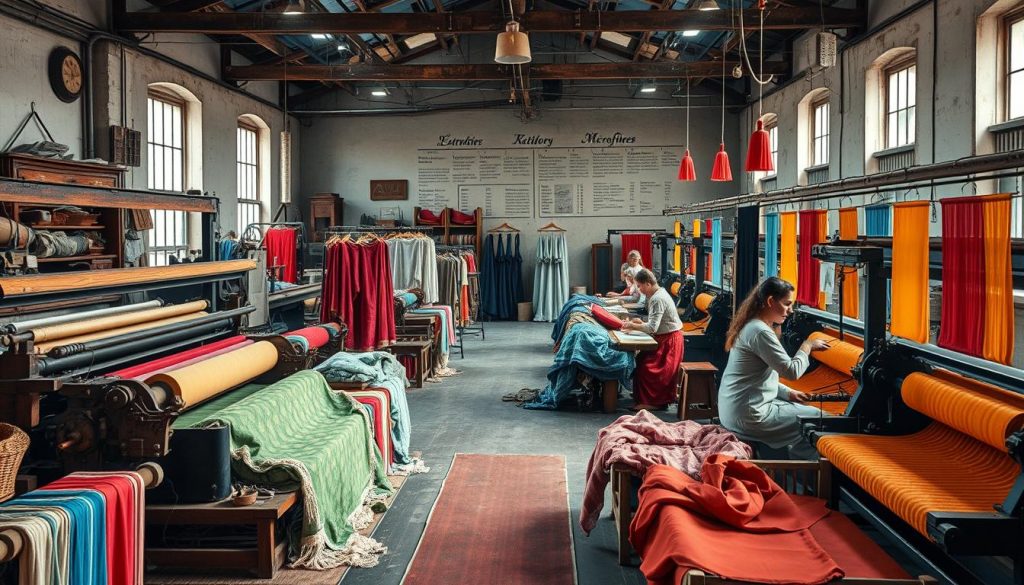
The development of Textile production It dates back a long way. From handcrafted production to industrial mass production, the textile industry It has changed considerably over the centuries. The rise of the fast fashion model, in particular, has strongly influenced this development. To produce fashionable clothing quickly, many companies have... Production methods optimized, which often comes at the expense of the environment and working conditions.
Between 2000 and 2015, the number of clothing purchases worldwide doubled. This increase coincides with the production of clothing that is worn less and less. A significant portion of this textiles Many items end up in the trash even though they are often still in good condition. The fashion industry is one of the biggest polluters, generating approximately 92 million tons of textile waste annually. Forecasts indicate that this figure could increase further by 2030.
Fast fashion not only leads to excessive waste production but also places a heavy burden on natural resources. For example, producing a single T-shirt requires approximately 3,200 liters of water, while a pair of jeans requires as much as 9,000 liters. Industrial mass production has serious environmental consequences, and the lifespan of garments has drastically decreased in recent years.
In manufacturing countries like Bangladesh, China, and India, catastrophic working conditions often prevail. Seamstresses and garment workers frequently earn less than half the local minimum wage. These circumstances raise significant ethical questions that are addressed in the current discussion about... textile industry cannot be ignored.
| aspect | Details |
|---|---|
| Maximum clothing purchases (2000-2015) | Doubling of global purchases |
| Textile waste per year | 92 million tons |
| Water consumption for a T-shirt | 3200 liters |
| Water consumption for jeans | 9000 liters |
| Lowest wages in textile production | Less than half the minimum wage |
Microfibers and their environmental impact
Microfibers have significant environmental impacts that are becoming increasingly apparent in modern textile production. Every time a garment like a T-shirt or jeans is washed, up to 9 million microfibers enter the wastewater. Almost half of these microfibers, approximately 50 million, do not reach wastewater treatment plants and thus enter the environment directly. This phenomenon contributes to harmful microplastic pollution, which is impacting marine ecosystems.
It is estimated that around 500,000 tons of microfibers enter wastewater annually through washing, a quantity comparable to 50 billion plastic bottles. Particularly concerning is the fact that more than 73 million tons of microplastic pollution around the North Pole originates from polyester fibers. Polyester accounts for over 60 million tons of the fibers used in textile production. Microfibers from synthetic materials are responsible for approximately 35 million tons of microplastics in the oceans, thus significantly exacerbating the environmental impact.
The health risks are alarming. Studies have shown microplastics Nylon microfibers have been detected in the placentas of unborn babies. Preliminary findings suggest that nylon microfibers may impair the development of lung tissue in newborns. Furthermore, natural fibers are often contaminated with harmful chemicals such as flame retardants and plasticizers, further increasing the risks.
| aspect | Details |
|---|---|
| Microfibers per wash cycle | Up to 9 million microfibers |
| Annual emission | 500,000 tons of microfibers |
| Origin of microplastic pollution | 73 % made of polyester fibers |
| Future forecasts | 22 million tons of microfibers could end up in the ocean by 2050. |
| Health effects | Microplastics detected in the placenta |
How microfibers enter the environment
Microfibers mainly enter through the Washing process into the environment. Washing synthetic clothing can release a significant number of microfibers. Estimates range from 1.1 to 12 million microfibers per wash. These tiny particles, which don't even account for the weight of the clothing, are often lost and end up in wastewater treatment plants. However, due to inadequate technologies, they cannot always be effectively filtered out there.
One worrying aspect is that approximately 13,000 tons of microfibers are generated annually in the EU. textiles enter surface waters, which accounts for approximately 8 % of the total primary input microplastics which is what makes it special. These microplastic particles contribute to pollution They have devastating effects on marine wildlife. In particular, they threaten 90 percent of seabirds, 100 percent of coral reefs, and 96 percent of biodiversity in the oceans.
The risks arise not only from direct release into water, but also from the accumulation of microplastics in the food chain. Approximately 35 percent of the microplastics that enter the marine environment annually originate from wearing and washing synthetic textiles, highlighting global environmental challenges. Given a 40 percent increase in textile consumption in the EU within just a few decades, we face an urgent need for action.
| statistics | Value |
|---|---|
| Microfibers that are released annually during washing | 40,000 tons |
| Percentage of microplastic pollution from textiles | 35 % of the microplastics released annually |
| Microfibers in surface waters in the EU | 13,000 tons per year |
| Cost of the environmental impact of microplastics | High costs in relation to cleaning and health damage |
Changing our washing habits and using special microfiber filters can significantly reduce microplastic emissions. Such measures could be crucial in combating the pollution to reduce and protect our oceans.
Health effects of microfibers
Microfibers not only pose a threat to the environment but can also present health risks for humans and animals. Between 500 and 2,500 tons of synthetic microfibers from textiles enter the environment in Europe every year. These fibers, less than 5 millimeters long, are primarily released during washing of synthetic materials such as polyester, nylon, and acrylic. They can then pass through the filter systems of wastewater treatment plants and enter water bodies.
The ingestion of microplastics by marine organisms may have an impact on food chains. In this context, potentially harmful chemicals from textiles can enter the human system. The number of fibers released from a 6 kg washing machine load varies considerably. For example, a polyester-cotton blend releases approximately 137,951 fibers, while acrylic fabrics release as many as 728,789 fibers. The washing process with added fabric softener further increases this amount without providing any cleaning effect.
Furthermore, it is known that recycled polyester releases more microfibers than virgin polyester. Adapted washing practices, such as washing on a gentle cycle or using laundry bags with microfiber filters, can help reduce the release during the washing process. These measures not only protect the environment but also the Health the consumer.
Sustainable alternatives, such as organic cotton or wood-based fibers, help to minimize microfiber loss. These materials are biodegradable and generally release fewer microfibers. Therefore, a conscious approach to textiles can not only reduce the amount of microfibers produced, but also minimize the amount of microfibers released. Health to promote not only the individual, but also the entire ecosystem.
Alternatives to microfibers in the clothing industry
The clothing industry offers a wide variety of Textile alternativeswhich can serve as sustainable options for consumers. In particular, materials such as organic cotton, hemp, and the innovative bamboo viscose are enjoying increasing popularity. These sustainable materials reduce the environmental impact of textile production and offer environmentally conscious manufacturers the opportunity to focus on ecological design to set.
Bamboo grows quickly and requires neither fertilizer nor pesticides, making its production particularly environmentally friendly. Bamboo viscose is not only biodegradable but also suitable for all skin types, making it an excellent choice for clothing and household goods. Products made from bamboo viscose can be washed at up to 60°C, although the use of fabric softener should be avoided to maintain its water-retention properties.
In addition, we offer Textile alternatives Lyocell and Tencel, which are derived from eucalyptus wood, offer an environmentally friendly solution. These materials cause less environmental impact during production compared to cotton and are also biodegradable. Using durable, high-quality garments not only promotes ecological design, but also reduces long-term costs for consumers by making it less necessary to buy new clothes.
The choice of sustainable materials and Textile alternatives This helps to minimize the release of microplastics into the environment. Conscious purchasing not only promotes the health of our planet, but also supports companies that are committed to sustainability. environmentally friendly practices Get involved. Ultimately, the pursuit of environmentally conscious fashion enables positive change in the clothing industry.
How can you recognize environmentally friendly clothing?
Eco-friendly clothing Recognizing this requires a look at specific Labels and certificates that sustainability and guarantee fair production conditions. Certificates such as the GOTS certificate (Global Organic Textile Standard) and the Fair Trade seal serve as valuable indicators for conscious shopping. Shopping guides to help consumers make informed decisions in the field of sustainable fashion.
Important Labels For orientation, the following are among the resources available:
- GOTS – guaranteed biological materials and social standards
- OEKO-TEX – ensures that textiles are free of harmful substances
- Fair Trade – ensures fair working conditions for producers
In addition, we offer Shopping guides detailed information about the sustainability of textiles, taking into account important factors such as water consumption and CO₂ emissions during the manufacturing process. To minimize environmental impact, it makes sense to opt for clothing made from natural materials that are biodegradable and have undergone environmentally friendly manufacturing processes.
Rethinking consumer behavior: Here's how you can help
The is a crucial measure for reducing our ecological footprint. Products are often bought impulsively and without being seen, leading to unnecessary purchases. Studies show that 90% of sale items are not needed. A change in thinking is therefore required. Through the reduction Consumers can contribute to reducing the demand for inferior and environmentally harmful products through their purchasing decisions.
An important step towards more Choosing quality products over quantity is key. Consumers should look for durable and sustainable textiles made from natural materials like cotton. These are less prone to damage during washing and therefore release less microplastic. Avoiding single-use plastic products, such as plastic bags or disposable bottles, can significantly reduce the risk of microplastic pollution. reduction contribute to plastic waste in everyday life.
Alternatives to conventional products offer practical solutions. For example, beeswax wraps represent a sustainable option for food storage. Those who opt for reusable makeup remover pads make an active contribution to environmental protection and help to... reduction of waste. Using reusable bottles instead of single-use plastic bottles significantly improves the environmental footprint.
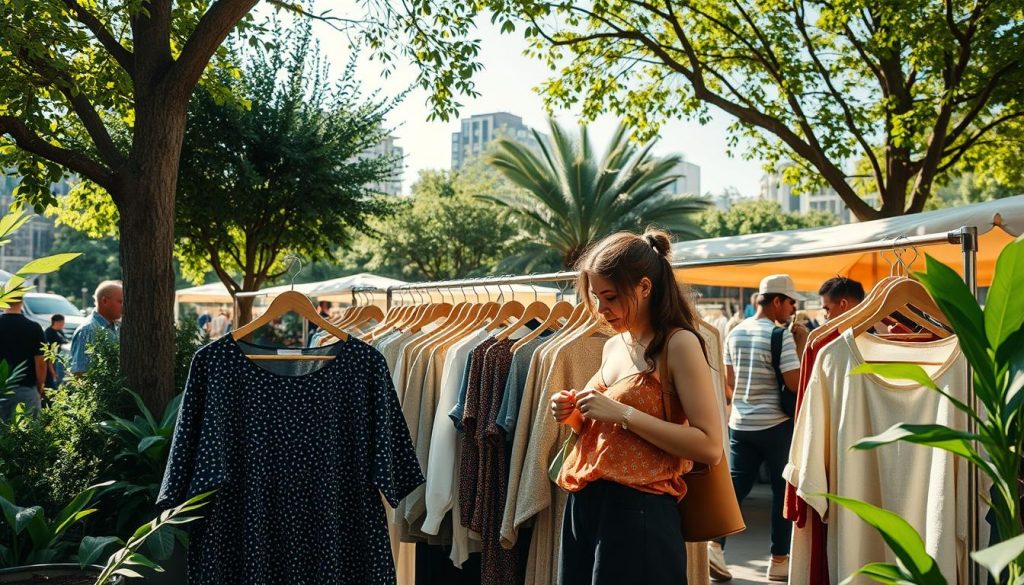
Education plays a key role in raising awareness of and the impact of their own consumption habits. Consumers can learn to make more sustainable choices by participating in local initiatives and workshops. Those who actively work towards a plastic-free future strengthen the community and can make a significant difference in reducing microplastics and plastic waste.
Overall, it is crucial to think about one's own Consumer behavior To reflect on our choices and actively participate in improving the environment. By making conscious purchasing decisions and promoting sustainable products, we can all contribute to stopping the negative impacts of the textile industry and creating a more environmentally friendly future.
Microfibers: Environmental impacts: Options for consumers
The challenges posed by microfibers and the resulting microplastics affect not only the environment but also our health. Consumers can protect themselves through certain environmentally friendly practices Actively contribute to mitigating these problems. One of the simplest solutions lies in adapting washing methods. The use of special laundry bags that retain microfibers can significantly reduce the release of these harmful particles during the washing process.
Choosing brands that stand out through their engagement Labels for sustainable production and transparency also play an important role. Products made from cotton, wood fibers, or wool are biodegradable and produce fewer microfibers compared to synthetic fabrics. Furthermore, careful laundry handling, such as washing at lower temperatures and for shorter periods, can significantly reduce fiber loss.
Changing washing habits and promoting environmentally friendly manufacturing practices will help minimize the environmental impact of microfibers. For more information on this topic, you can look to advancements in filtration technology and find out how microfibers can be selectively removed before they reach our waterways. Filtration technologies for microfibers to show that it is possible to actively counteract these problems.
| practice | Description | Advantages |
|---|---|---|
| Wash bags | Use special bags to filter microfibers | Fewer microfibers enter the wastewater |
| Sustainable materials | Choice of cotton, wool, or linen | Biodegradable and environmentally friendly |
| Optimal washing conditions | Lower temperatures, shorter wash cycles | Reduction of fiber release |
| Brand choice | Supporting sustainable brands | Promotes responsible production |
Conclusion
In summary, microfibers are a significant source of microplastic pollution in our oceans, accounting for more than 351 million tons of the total amount of microplastics. The impact of these invisible environmental hazards is alarming; a typical polyester fleece can release up to 700,000 microfibers during a single wash, which can remain in the environment for decades. Therefore, Consumer awareness crucial regarding the environmental impact of one's own consumption habits.
The decision for sustainable fashion Consumers can have a fundamental impact on reducing microplastic pollution. By buying fewer but higher-quality garments and washing them less frequently, they can actively contribute to reducing microfibers in the environment. Innovative products like the Guppy Friend washing bag, which traps microplastics during washing and allows for environmentally sound disposal, are one example.
In light of these facts, it is important that each individual takes responsibility and makes informed decisions. Through a growing awareness of sustainable fashion and by reducing their impact on the environment, we can make a positive contribution together and secure the quality of life for future generations.
FAQ
What are microfibers and where do they come from?
Microfibers are tiny plastic fibers made from synthetic materials such as polyester and nylon. They are primarily released into the environment when synthetic clothing is washed.
Why are microfibers harmful to the environment?
Microfibers contribute significantly to microplastic pollution of waterways. One study shows that 35% of the microplastics in the oceans originate from these synthetic textile fibers.
How can I identify environmentally friendly clothing?
Pay attention to Labels and certificates such as the GOTS certificate or the Fair Trade seal, which indicate sustainable and fair production conditions.
What alternatives to microfibers exist in the clothing industry?
Environmentally friendly options included materials such as organic cotton, hemp and recycled fibers, which help to reduce the ecological footprint of textile production.
What are the health risks of microfibers?
The ingestion of microplastics by marine organisms can introduce harmful chemicals into the food chain, which is potentially hazardous to the health of humans and animals.
How can I rethink my consumption habits?
To live more environmentally friendly, you can buy less clothing, focus on quality rather than quantity, and regularly donate or recycle clothing.
What role does the fast fashion industry play in microfiber pollution?
The fast fashion industry exacerbates environmental impacts through faster production and shorter garment lifespans, resulting in more waste.
What steps can I, as a consumer, take to reduce microfibers?
Consumers can use special laundry bags to retain microfibers during washing and choose brands that are committed to sustainable practices.