
The journey to a life without plastic: challenges and solutions.
Advertisement
A plastic-free living is becoming an increasingly important concern for many people. The challenges of Avoiding plastic are large, but the solutions are equally promising.
Environmental awareness And the desire for a sustainable lifestyle is driving more and more citizens to reduce their plastic consumption.
In Germany alone, we produce 212 kilograms of plastic waste annually, and according to the Federal Environment Agency In 2019, the figure was even 6.28 million tons. plastic waste to.
The urgency to take action is palpable. In this article, we will examine the benefits of an environmentally conscious lifestyle, provide practical tips for everyday life, and highlight the key role of businesses and the responsibility of policymakers in reducing plastic waste.
The path to a Zero WasteLife requires commitment, but with the right support and information, this path is possible for many.
Introduction: Why a plastic-free life is important
The world is facing a serious The plastic problemApproximately one million plastic beverage bottles are sold every minute, and in Germany, roughly 320,000 disposable coffee cups are sold every hour. This illustrates how deeply plastic is ingrained in our daily lives. A life completely without plastic seems almost impossible, as plastic components are present in nearly all everyday goods. The amount of litter on beaches, 73% of which consists of plastic, is particularly worrying.
The The importance of avoiding plastic However, it goes far beyond environmental protection out. Health aspects play a crucial role. Studies show that microplastics are even found in food, posing health risks. The use of plastic is indispensable in many areas of life, such as medicine, where syringes and IVs must be made of plastic. Nevertheless, there are numerous alternatives that can help reduce plastic consumption.
More and more products are coming onto the market that don't require plastic packaging. Solid soaps and shampoos are available in almost every drugstore. Environmentally friendly wooden toothbrushes and compostable toothpaste heads offer eco-friendly options. There are also new developments in personal hygiene products. sustainable solutions like washable tampons and menstrual cups, which reduce waste and costs. These alternatives are not only good for the environment, but also promote a more conscious lifestyle.
Reducing plastic consumption therefore has major advantages for the environmental protection and one's own health. Dealing with the The plastic problem is essential to securing the future of our planet.
Plastic waste: The current situation in Germany
The challenges of dealing with plastic waste in Germany are significant. According to the latest Plastic statistics from the Federal Environment Agency Over 6 million tons are produced annually. plastic waste This figure represented an alarming peak in 2019, as much of the waste generated cannot be recycled. The resulting Plastic waste Germany It has severely impacted not only nature but also the waterways.
Statistically, every German produces an average of about 37 kilograms of plastic packaging waste annually. This high volume is particularly problematic because almost half of all household waste consists of packaging. This amount contributes to Germany's leading position in Europe in the waste rankings.
Just 17.3 percent of plastic waste are effectively recycled. While the recycling process in Germany has a rate between 38 and 40 percent, a large portion of the sorted waste remains unused. Another worrying fact is that more than 10 million tons of plastic waste enter the oceans from land every year, exacerbating the environmental risks.
The drift of plastic and the decomposition of various products can take centuries for numerous plastic items. For example, a plastic bottle can take up to 450 years to decompose. Furthermore, an average of 70 pieces of litter are found every 100 meters along Fehmarn's beaches, the majority of which is plastic. This situation poses a significant threat to marine ecosystems and wildlife, as millions of animals die from plastic waste every year.
Challenges of going plastic-free
Many people are facing Difficulties with avoiding plastic, when they try to fundamentally change their lifestyle. These Lifestyle change This can be influenced by various factors that complicate everyday life. Plastic-packaged food is widespread in discount stores. Only a few products, such as pesto in glass bottles, offer an acceptable alternative. Packaging alternative.
Specialized organic stores like "Basic" offer a wide variety of self-service food items, including pasta, rice, and nuts. This presents a valuable option for plastic-free shopping. Despite this positive development, there are setbacks. Cheese, for example, often still has to be packaged in plastic even when customers bring their own Tupperware containers.
- Fruit and vegetables are often more expensive in organic shops than in discount stores.
- Prices for basic foodstuffs can vary greatly; for example, the price of a bar of chocolate is around 4 euros.
- Facial care products in drugstores offer hardly any plastic-free options.
Every German produces over 210 kilograms of packaging waste annually, a large proportion of which is plastic. These facts illustrate the societal pressure, which places a burden on individuals. The search for environmentally friendly alternatives often proves challenging, as microplastics from cosmetics and detergents also pose a health risk.
A suggestion for getting started with a plastic-free living The plan is to introduce one plastic-free day per week to encourage long-term behavioral changes.
Tips for everyday life: Living without plastic
A plastic-free living This is becoming an increasingly desirable goal for more and more people. Taking action oneself is the first step in this direction. There are numerous Everyday tipswhich can support a sustainable choice for the environment. A simple example is the use of Reusable bags instead of single-use plastic when shopping.
Avoiding packaged foods also contributes to reduced plastic consumption. Fresh fruit and vegetables from the market often don't need additional packaging. Bringing your own containers for snacks or lunch promotes a plastic-free lifestyle.
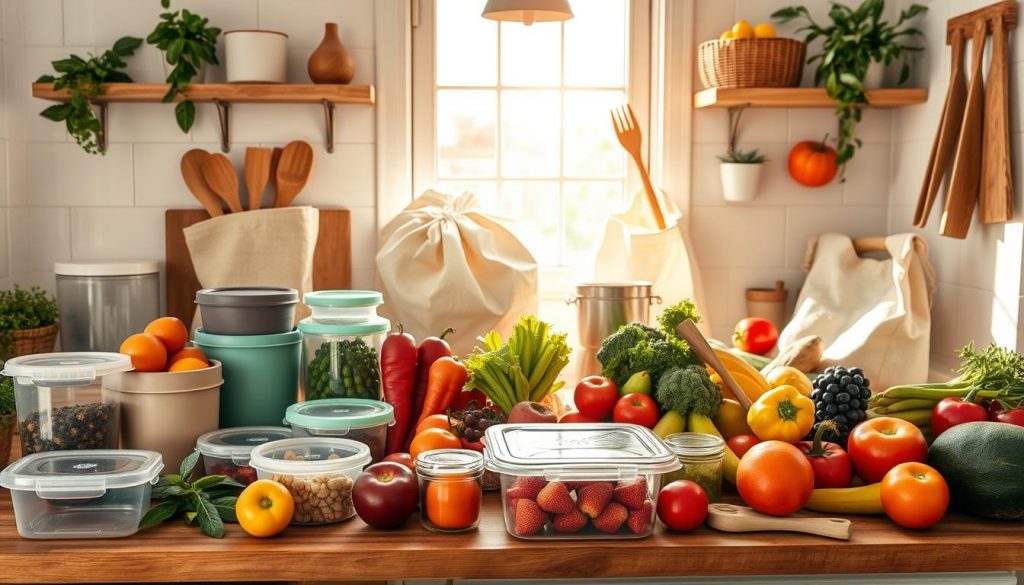
Particularly Zero Waste Tips are helpful in minimizing plastic consumption in many areas of life. For example, switching to a Menstrual cup Instead of tampons or pads, you not only avoid unnecessary waste. Reusable cloth pads or period underwear offer sustainable alternatives and can be used multiple times.
Even the switch to a bamboo toothbrush Biodegradable cotton swabs (100%) help reduce plastic waste. Homemade laundry detergents or toilet tablets offer environmentally friendly options for minimizing packaging waste.
The key to a successful plastic-free everyday life lies in combining different strategies. By making small, consistent changes, significant progress can be achieved. It is also helpful to use apps like... Zero Waste Home App to use it to find plastic-free shops nearby and to make one's own consumption more sustainable.
| option | Reduce plastic consumption | Additional benefits |
|---|---|---|
| Reusable bag | Eliminates single-use plastics | Reusable and durable |
| Menstrual cup | Reduces waste | Long-term cost savings |
| Bamboo toothbrush | Compostable | Sustainable alternative to plastic tubes |
| Cloth pads | Reduces disposable products | Environmentally friendly and pleasant to use |
| Washable makeup remover pads | Minimizes single-use products | Skin-friendly and long-lasting |
Conscious consumption: Buying food without plastic packaging
In modern times, conscious consumption a crucial role in reducing plastic waste. A plastic-free shopping It often starts with choosing unpackaged food. This can frequently be found in special zero-waste shops, which offer a growing selection in many cities.
By shopping at organic stores and farmers' markets, consumers have the opportunity to obtain fresh products without plastic packaging. These markets promote sustainable agriculture and also offer the chance to support local and seasonal products.
Tools like the CodeCheck app help to check product ingredients and packaging. This allows consumers to ensure they are buying safe and ethically sourced products. Zero Waste Shopping to make the right decisions.
- Choose reusable produce bags to avoid plastic bags.
- Use stainless steel or glass containers to store your food.
- Opt for solid hygiene products such as hair soaps and solid body care products to reduce plastic waste.
- Grow your own herbs in your garden or on your balcony to reduce the need for packaged products.
- Avoid plastic bottles by using a water carbonator at home.
Choosing to shop plastic-free is not only a personal but also a collective responsibility. Those who actively choose conscious consumption contribute to protecting the environment and promoting their own health.
The role of companies: Responsibility in industry
Companies bear a crucial responsibility in reducing plastic waste. The movement Break Free From Plastic Since 2016, the British Federation of Industrial Research Associations (BFFP) has mobilized more than 1,400 organizations across six continents to influence industrial practice. Companies that actively work to... plastic-free products and sustainable packaging to offer, strengthen their Corporate Social Responsibility and simultaneously increase their competitiveness.
Important initiatives such as the Brand Audits Since 2017, they have helped to document plastic consumption in various regions of the world. This data enables companies to implement targeted measures to reduce it. Avoiding plastic to develop and thus their Corporate responsibility to perceive. The results of audits in at least 16 local governments in Asia show that the commitment to zero-waste cities is growing.
A significant portion of the industry is showing a willingness to face these challenges. In 2019, 30 companies joined forces to... Alliance to End Plastic Waste Together, they invested €1.3 billion to promote waste management and disposal infrastructure, primarily in Asia. Despite this commitment, many companies recognize that they still want to invest in their plastics production until 2030. The challenge here is to strike a balance between profit and environmental protection to find.
Consumers also influence these developments. Studies show that 781,000 employees value environmentally friendly corporate policies and are willing to pay more for products from sustainable suppliers. By implementing plastic-free measures, companies can not only reduce costs but also attract talented and environmentally conscious professionals.
| aspect | Effect |
|---|---|
| Plastic reduction | 30% Cost reduction through the avoidance of single-use products |
| Sustainable packaging | Increased customer loyalty and company reputation |
| Corporate Social Responsibility | Increasing attractiveness to talented workers |
| Overview of market trends | Growth of the market for sustainable office products from 150 million euros (2019) to 500 million euros (2025) |
The challenges associated with plastic consumption require creative and decisive action from industry. Companies not only have a responsibility to act, but also the opportunity to take a leading role in promoting plastic-free products and sustainable packaging. Interest in environmentally friendly alternatives is growing, opening up new possibilities for companies to position themselves for the future.
Zero Waste: Strategies for a plastic-free life
The Zero Waste Exercise promotes a resource-efficient lifestyle through effective movement. Waste preventionIn Germany, each person produces an average of around 462 kilograms of household waste per year. In contrast, a family of four who owns a Zero Waste This lifestyle produces an impressive amount of waste, enough to fit into a one-liter canning jar. Such strategies demonstrate that an environmentally conscious lifestyle is not only possible, but also easy to achieve.
An important step towards living independently of plastic is reducing single-use plastic bags. Around 2 billion plastic bags are used in Germany every year, which equates to roughly 24 bags per person. Raising awareness of the negative environmental impact of these bags is crucial. Initial measures for this transition include switching to jute bags, which are no longer available free of charge in many regions.
Nutrition also plays a significant role in the zero-waste movement. Statistically, people in Germany throw away approximately 11 million tons of food annually, which corresponds to a per capita consumption of about 55 kilograms. Initiatives like food sharing help to rescue unwanted and overproduced food, which reduces food waste. Waste prevention increases and contributes to the creation of a sustainable lifestyle.
In urban areas, there is a growing number of zero-waste shops and direct marketers offering the option of buying food in bulk. Screw-top jars, as practical alternatives to plastic, are finding their way into many households. Baking soda in compostable packaging and washable hygiene wipes are examples of products that make the switch worthwhile.
Society's willingness to change its own habits is crucial for the implementation of these strategies. Every contribution to this Waste prevention This is a step towards a more sustainable lifestyle. By questioning everyday decisions, every individual can contribute to the zero waste movement and have a positive impact on our environment.
Ecological alternatives to plastic
The search for ecological materials It is gaining increasing importance, especially with regard to reducing plastic waste. More and more companies and consumers are opting for Alternatives to plasticwhich are environmentally friendly and sustainable. Products made from materials such as glass, wood or metal are finding increasing use and offer excellent solutions for everyday life.
A remarkable step in this direction was taken by the New Zealand supermarket chain New World, which has completely eliminated plastic from its fruit and vegetable departments since 2018. This decision demonstrates that sustainable solutions These measures are feasible and can have a significant impact on plastic consumption. Furthermore, starting in March 2019, Tesco tested offering 45 previously packaged items loose in two markets, with the goal of using only recyclable packaging by 2025.
Innovations like Apeel Sciences' edible coating extend the shelf life of fruits and vegetables and reduce reliance on conventional plastic packaging. The Loop initiative, launched in the US and France in 2019, demonstrates how reusable packaging can pave the way for reducing single-use plastics.
The environmentally friendly product RECUP is enjoying increasing popularity in Germany, now offering 2,000 locations for its reusable coffee-to-go deposit system. Similarly, NaKu offers bags that can produce edible plants when composted, further promoting the idea of sustainable solutions. These approaches are not only innovative, but also a step in the right direction towards a plastic-free society.

The importance of education and enlightenment
Environmental education plays a crucial role in the fight against growing plastic pollution. Information about plastic It helps to raise awareness of the problems and challenges associated with plastic waste. Through targeted Awareness campaigns People can learn to use sustainable alternatives and make environmentally conscious decisions.
The integration of Environmental education in schools and communities, a sustainable developmentChildren and young people are given the tools to critically examine their consumption habits and understand the consequences of their actions. Such educational initiatives encourage society to reflect on its own plastic consumption and switch to reusable products. They also significantly reduce the use of single-use plastics.
An example of successful Information about plastic The introduction of reusable cups in restaurants is one such measure. This measure, which is legally mandated from January 1, 2023, demonstrates how education and awareness can go hand in hand with political action to reduce the use of single-use plastics.
| Educational initiative | Goal | Expected effects |
|---|---|---|
| School projects on Avoiding plastic | Education about plastic waste and recycling | Increased Environmental awareness for students |
| Community Workshops | Discover sustainable alternatives | Change in the participants' behavior |
| Social media campaigns | Dissemination of information about plastic avoidance | Broader reach and engagement among the population |
These different approaches of Environmental education And education not only creates a greater awareness of the problem, but also a network of individuals who actively contribute to reducing plastic waste. A better Information about plastic and sustainable development strategies can lead society onto a greener path that benefits everyone.
The journey to a life without plastic: Support from communities
Community engagement plays a vital role when it comes to the Support for reducing plastic waste goes. Local groups and Environmental protection communities They motivate people to fight the plastic pollution crisis together. Forming networks enables the exchange of experiences, ideas, and sustainable practices.
More and more people are demanding a plastic-free lifestyle. Statistics show that 751,030 of those surveyed want to reduce their plastic consumption. In this context, local groups They have gained in importance. These communities organize events that promote the exchange of knowledge and help make plastic-free alternatives more easily accessible in everyday life.
Through involvement in Environmental protection communities 201,033 consumers have already actively participated in initiatives to reduce plastic. These groups offer a platform to share resources and find tailored solutions to the challenges of reducing plastic consumption.
Social media also has a significant influence on the Community engagementApproximately 301,000 respondents stated that they were inspired by social media platforms to make plastic-free choices. This underlines the power of community in the digital age.
Exchanges within communities can also encourage the purchase of plastic-free products and help overcome the numerous challenges of reducing plastic consumption. Many consumers are willing to pay more for such products, which increases demand and improves supply.
Finding common ground and networking through local initiatives not only improves individuals' lifestyles but also raises awareness of environmental issues. In collaborative projects, members of zero-waste communities can share practical tips and exchange experiences. This makes the path to a plastic-free life easier and more sustainable for many.
Political measures to reduce plastic waste
Combating the plastic pollution requires comprehensive measures. political measures, which are based on an effective Legislation on plastic reduction Global plastic production could double by 2040, requiring an urgent response to curb the environmental impact. The challenges are immense, as plastic waste in the oceans threatens to quadruple in the coming years.
Political strategies such as Plastic restrictions And the commitment to using recycled materials shows potentially significant effects. A combination of different measures could enable up to 91 percent less "poorly managed" plastic waste by 2050. The proposed measures include:
- upper limit for new plastic production
- Commitment to reuse recycled plastic
- Investments in waste management
- Mandatory recycling-Quote
- Packaging tax
- Reduction of single-use packaging
A strategic focus on the Legislation on plastic reduction It can also reduce greenhouse gas emissions by 30 percent. Greenpeace, for example, is calling for a drastic reduction in plastic production of 75 percent by 2030. These goals could be achieved if policymakers take decisive action.
Current statistics underscore the urgency: In 2019, 460 million tons of plastic were produced worldwide, a third of which was used for packaging. Targeted policy measures can drastically minimize the likelihood of environmental pollution. The future depends on how politics, business, and society work together to promote environmentally friendly solutions.
| measure | Expected reduction in plastic waste | Greenhouse gas reduction |
|---|---|---|
| Upper limit for new plastic production | 40% | 10% |
| Commitment to reuse recycled plastic | 30% | 8% |
| Packaging tax | 15% | 5% |
| Reduction of single-use packaging | 20% | 7% |
The chances of successful implementation are high if all parties involved pull together and see change as a necessity. Political measures play a key role in this Environmental policy.
Conclusion
The Summary The challenges and solutions on the path to a plastic-free life highlight the need for individual responsibility. Giving up plastic is not just a personal decision, but a collective effort that ultimately leads to a A future without plastic Christoph Schulz, who has lived largely plastic-free since 2016, and numerous other participants in the challenge have shown that this change is also feasible for families, although access to plastic-free food and the associated costs often pose a hurdle.
In Germany, each individual produces an average of about 600g of packaging waste daily, which the individual responsibility further emphasizes that switching to everyday products, such as bamboo toothbrushes, is a simple way to reduce one's own plastic consumption. By making conscious choices and integrating alternative products into our daily lives, we can collectively have a positive impact on our environment.
To bring about lasting change, it is important to promote a collective commitment to a plastic-free lifestyle. Only through joint action and ongoing education can we change our habitual behaviors in the long term. Let's work together for a A future without plastic join and embrace the challenges of a plastic-free life!
FAQ
Why is a plastic-free life important?
A plastic-free lifestyle not only reduces environmental pollution but also protects your own health. Studies show that microplastics can be found in food, posing serious health risks.
What challenges are there when trying to avoid plastic?
Many people face difficulties such as the availability of unpackaged food, a lack of alternatives in stores, and social pressure to live plastic-free. These factors make it complex to reduce plastic consumption in everyday life.
What tips are there for a plastic-free everyday life?
There are many practical tips for making everyday life more sustainable, including using reusable bags, avoiding ready-made foods, and using glass and metal containers.
How can we shop without using plastic?
Consumers should opt for plastic-free alternatives when shopping., unpackaged food Shop at local organic stores or farmers' markets. Apps like ShareWaste help you find plastic-free shopping options.
What role do companies play in reducing plastic waste?
Companies bear a significant responsibility in reducing plastic waste. Many have begun to make their packaging more environmentally friendly, as well as... plastic-free products to offer.
What is the Zero Waste movement?
The zero waste movement promotes strategies for waste prevention that go beyond simply avoiding plastic. It aims to establish sustainable lifestyles and encourage conscious consumer choices.
What environmentally friendly alternatives to plastic are there?
Alternatives to plastic include products made from materials such as glass, wood, or metal. Current developments in materials research offer innovative solutions to significantly reduce plastic consumption.
How does education contribute to solving the plastic problem?
Education plays a central role in the fight against plastic waste. Various initiatives help to raise awareness of the issue. The plastic problem to sharpen the focus and to highlight sustainable alternatives.
How can communities support the reduction of plastic?
Local and global communities promote the exchange of knowledge about strategies for reducing plastic consumption. Events and information services help to facilitate the transition to a plastic-free lifestyle.
What political measures exist to combat plastic waste?
Political initiatives aim to reduce plastic use and increase recycling rates through legislation and incentives. A collaborative effort between politics, business, and society is crucial in this regard.