
Improving soil in the city: How to bring concrete back to life
Advertisement
Improving soil in the city It's more than a trend, it's a necessity. In urban spaces, where concrete and asphalt dominate, people yearn for greenery, for life, for fertile soil.
Cities are growing and becoming more densely populated, but the soils underneath are suffering. Sealed surfaces prevent water absorption, promote urban heat islands, and leave little room for biodiversity.
But there is hope: With permaculture, community gardens and clever techniques, concrete surfaces can be transformed into blooming oases.
This article shows how to Improving soil in the city can explain why it is important and what practical steps everyone can take.
From composting to vertical gardens, here you will find inspiration and concrete approaches to make urban living more sustainable.
The city is a behemoth, yet nature can still take root here. According to a study by the Technical University of Munich (TUM), urban gardens significantly promote biodiversity: In Berlin, 90 species of wild bees and 355 species of wild plants were discovered in community gardens, including 13 on the Red List.
These figures show that even small measures can have a big impact. Whether on balconies, roofs, or vacant lots, every square meter counts.
Why the soil in cities is suffering
Asphalt and concrete suffocate the soil. Sealed surfaces prevent rainwater from seeping into the ground, damaging the soil structure. Nutrients are lacking, and microorganisms die off.
The result: infertile, compacted soils that barely support life. Cities like Copenhagen struggle with flooding due to sealed surfaces, as water cannot drain away.
Urban heat islands exacerbate the problem. Concrete stores heat, drives up temperatures, and burdens the urban climate. Soils beneath asphalt rapidly lose their fertility. Without intervention, the soil will soon turn to dust.
++ How you can store CO₂ with your garden
Soil quality in cities is often impaired by construction debris, pollutants, or compaction. Even on brownfield sites, only poor soils are often found. But despair is misplaced; solutions exist.
Permaculture as the key to soil improvement
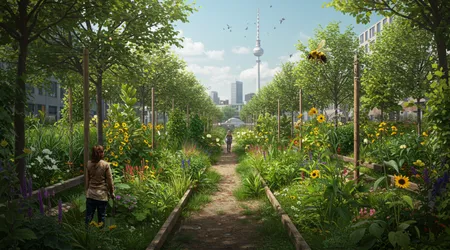
Permaculture mimics natural cycles. It uses compost, mulch, and companion planting to make soils fertile. In urban gardens, it creates biodiversity. Improving soil in the city It often starts with a compost heap that transforms kitchen waste into nutrients.
Raised beds are a permaculture star. They allow for controlled soil conditions, even on sealed surfaces.
Herb spirals save space and create microclimates. They utilize stones that store heat and offer plants optimal conditions. Such structures revitalize soils and promote biodiversity.
See more: Circular economy in the garden: Use everything, waste nothing
Community gardens: Working together for fertile soil
Community gardens are social and ecological powerhouses. In Berlin, the Himmelbeet garden is estimated to be worth 1.5 million euros annually to the neighborhood. They promote community cohesion and Improving soil in the city through collaborative work.
In Munich, the Kienberg Garden is flourishing with permaculture principles. Here, citizens are unsealing surfaces, using rainwater, and building raised beds. Projects like these demonstrate that together, concrete can be transformed into life.
See also: Permaculture for children: Learn gardening through play
Workshops in community gardens impart knowledge about composting and green manure. Citizens learn how to regenerate soil with lupins or clover. Every spadeful counts.
Practical techniques to revitalize concrete surfaces
De-sealing is the first step. Remove the concrete, loosen the soil, and rainwater can seep into the ground. This is followed by soil preparation with compost and mulch. Improving soil in the city This means supporting natural processes.
Rainwater tanks collect water for irrigation. In Havana, permaculture is used to revitalize soils with rainwater. Such systems are simple, effective, and sustainable.
Vertical gardens maximize space. Herbs and vegetables grow on walls or balconies, while the soil below regenerates. Creativity knows no bounds here.
Table: Practical methods for soil improvement
| method | Advantage | Application |
|---|---|---|
| Composting | Provides nutrients, promotes microorganisms | Use kitchen waste in garden beds |
| Mulch | Protects soil, saves water | Place leaves or straw on beds |
| Green manure | Binds nitrogen, loosens soil | Sow lupins or clover |
| Raised beds | Controlled conditions, less bending | Building on sealed surfaces |
| Rainwater harvesting | Saves water, promotes soil moisture | Install rain barrels |
Sustainable materials for urban floors
Recycling is key. Old wooden pallets become raised beds, construction debris becomes dry stone walls. Improving soil in the city It uses what is available and reduces waste.
Black earth enriched with biochar stores nutrients and water. In Zurich, it is used for rooftop gardens to make soils permanently fertile. Sustainability begins with smart materials.
Clay pots (ollas) in raised beds minimize water loss. They release moisture slowly, making them ideal for dry urban soils. Innovations like these make soils more resilient.
Challenges and how to overcome them
Limited land is a barrier. In cities, gardens compete with construction projects. But pocket parks or rooftop gardens offer solutions. Creativity overcomes lack of space. Improving soil in the city requires imagination.
Bureaucracy can slow down projects. In Berlin, dedicated contact persons support garden initiatives. Clear communication with authorities is crucial for success.
Costs can be daunting, but permaculture thrives on simplicity. Compost made from kitchen scraps or recycled wood costs little. Sustainability is affordable with smart planning.
The role of the community: Achieving more together
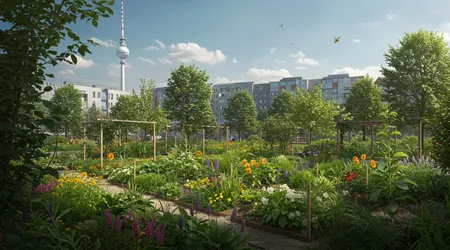
Why garden alone when community makes you stronger? Community gardens foster exchange and the sharing of resources. In Stuttgart, a funding program provides financial support for such initiatives.
Neighborhoods grow closer when they garden together. Children learn where vegetables come from, adults find peace and quiet. Soil and people benefit equally.
Online platforms like mundraub.org connect gardeners. They show where fruit trees are freely accessible and promote the exchange of information. Community is key.
Examples that inspire
In Lisbon, a group transformed a wasteland into a community garden. Using compost and raised beds, they revitalized barren soil. Today, tomatoes and herbs grow there.
In Munich, the association Green City eV uses rooftops for permaculture gardens. Rainwater and recycled wood create fertile soil where once there was only concrete.
These examples show: Improving soil in the city It's doable. Everyone can achieve great things with small steps, whether on the balcony or in the park.
A city that breathes: The vision for 2025
Imagine a city that breathes like a forest. Soils that store water, plants that cool, bees that buzz. Improving soil in the city makes that possible.
Municipalities are investing in green spaces. Vienna and Munich demonstrate how pocket parks and green facades improve the urban climate. Sustainability is becoming the norm.
Citizens are driving change. With shovels and ideas, they are transforming concrete into life. Every garden is a step towards resilient cities.
Conclusion: Bringing life to the city
Improving soil in the city It's not a luxury, but a necessity. Permaculture, community gardens, and clever techniques allow soils to flourish.
Every square meter counts. A city with fertile soil is cooler, greener, more vibrant. The analogy is clear: Like a heart that pumps blood, a city needs healthy soil to live.
Start small with a raised bed or a compost heap and watch concrete come to life. What's stopping you from breaking ground today?
Frequently Asked Questions
1. Can I improve the soil on my balcony?
Yes, with raised beds or vertical gardens. Use compost and recycled materials to create fertile soil.
2. Is permaculture expensive?
No, permaculture utilizes waste such as kitchen scraps or wood. Creativity and recycling keep costs low.
3. How do I start a community garden?
Find collaborators, contact the city administration and use platforms like urbane-gaerten.de for support.
4. How long does it take to make soil fertile?
With compost and green manure, you will see results in 6–12 months, depending on the initial quality.
5. Which plants are suitable for urban soils?
Robust plants such as wild garlic, chard, or wild herbs. They promote biodiversity and are easy to care for.