
How to respect animals while traveling

Advertisement
How to respect animals while traveling, is a question that is increasingly concerning travelers as awareness of sustainable tourism grows.
In a world where climate change and biodiversity loss dominate the headlines, it is crucial that we as travelers take responsibility.
Animals are not attractions, but living beings that deserve respect. This article shows you how to interact with animals while traveling without endangering their habitats or exploiting them.
We delve deep into the principles of ecotourism, provide practical tips and explain why treating animals with respect is not only ethical but also ecologically sound.
Imagine standing in a national park, observing an elephant in the wild – a moment that can only be made unforgettable through mindfulness. How can you ensure that your visit doesn't harm nature?
The desire for authentic nature experiences is growing, but it is often forgotten that our behavior has direct consequences for animals and the environment.
According to WWF (2023), 47% of Germans are willing to travel in a socially and environmentally responsible manner, but implementation is lacking.
This article provides you with a guide to How to treat animals respectfully while traveling to put this into practice, with concrete examples and a clear focus on sustainability. We show how small changes in your travel behavior can make a big difference.
Why respect for animals is important
Animals are at the heart of many travel experiences, yet their well-being is often neglected. Mass tourism leads to stress and habitat loss for wild animals.
How to respect animals while travelingIt begins with understanding their needs. Wild animals are not objects of entertainment; they need space and peace. Attractions such as elephant rides or dolphin shows often cause suffering and encourage unnatural behavior.
For example, in Thailand several elephant camps were closed in 2024 after animal rights activists uncovered abuse.
++ Fair Trade on holiday: Buy souvenirs with a clear conscience
Such places exploit animals as tourist attractions, without regard for their well-being. Respectful travel means avoiding such practices. It not only protects animals but also strengthens local communities that benefit from sustainable tourism.
Another aspect is the protection of biodiversity. Habitats destroyed by tourism threaten species worldwide.
By treating animals with respect, you contribute to preserving their habitat. Your decisions as a traveler have power; use them consciously.
Practical tips for treating animals respectfully
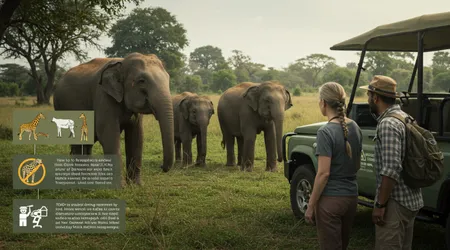
How to respect animals while travelingIt starts with choosing your activities. Avoid shows with trained animals or safaris that harass animals.
Instead, book tours with certified providers that promote nature conservation, such as national parks or protected areas.
For example, in Costa Rica, Corcovado National Park offers guided tours where visitors can observe monkeys and sloths in their natural environment without disturbing them.
These experiences are authentic and support nature conservation. Please stay on marked trails to avoid damaging habitats.
See more: The effects of mass tourism and how you can do better
Another tip: Find out about local animal species and their needs. In Australia, for example, kangaroos are shy; getting too close stresses them.
Keep your distance and use binoculars to observe animals from afar. This way you protect them and can enjoy nature.
| Tip | Description | Example |
|---|---|---|
| Choose certified providers | Book with organizations that have sustainability labels like Green Globe. | Corcovado National Park, Costa Rica |
| Keep your distance | Avoid touching or feeding animals. | Kangaroos in Australia |
| Use local guides | They know the region and protect the wildlife. | Tanzania cycling tours |
Avoiding animal suffering through conscious decisions
The decision you make about where to spend your vacation directly impacts the lives of animals. How to respect animals while traveling, means critically examining animal attractions.
Zoos or aquariums with cramped cages often promote animal suffering. Opt for wildlife observation in the wild.
In Tanzania, you can book bicycle tours led by local guides who treat wildlife with respect. Such tours boost the local economy and protect animals.
Avoid souvenirs made from animal products such as ivory or coral to avoid supporting the illegal trade.
See also: Why sustainable travel doesn't have to be more expensive
Another point: Pay attention to the accommodation. Eco-lodges powered by solar energy reduce environmental impact and protect wildlife habitats.
In Norway, there are hotels with Ecotourism Norway certifications that implement sustainable practices. Your choice makes the difference.
The role of education and awareness
Education is the key to How to treat animals respectfully while traveling To understand this, find out about the wildlife of your destination beforehand.
Many national parks offer workshops that educate visitors about animal conservation. In Belize, the Taronga Conservation Society supports educational programs for tourists.
A practical example: In Germany, national parks such as the Bavarian Forest offer guided tours where visitors learn how to respectfully observe lynxes and wolves.
Such programs promote understanding and protect wildlife. Knowledge changes your behavior in a lasting way.
Ask yourself: How would you like it if someone invaded your home and disturbed you? Animals feel similarly.
By educating yourself, you avoid mistakes that endanger their habitat. Knowledge is power; use it for nature.
Long-term effects of respectful behavior
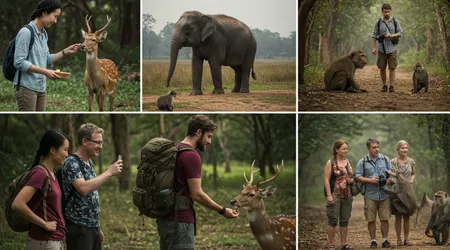
How to respect animals while travelingThis has long-term consequences for the environment. Sustainable travel protects habitats and supports nature conservation.
In Costa Rica, ecotourism revenues finance the protection of rainforests, which are home to 5% of the world's biodiversity.
Respectful behavior inspires other travelers. By avoiding animal attractions, you signal to providers that sustainability is valued.
In Slovenia, eco-certified glamping options promote sustainable tourism. Your choices shape the industry.
In the long run, your behavior contributes to reducing CO₂ emissions. Fewer flights and sustainable accommodations relieve the burden on the environment. This helps preserve nature for future generations – a legacy that matters.
Sustainable travel planning: animals in focus
Careful travel planning is essential to How to treat animals respectfully while traveling To implement this, choose modes of transport with low CO₂ emissions, such as trains or electric cars. In Europe, night trains are a sustainable alternative to flights.
For example, the Alpine region offers e-bike tours that are environmentally friendly and protect wildlife. Options like these reduce your carbon footprint. Book accommodations with sustainability certifications, such as the CSR seal from TourCert, to help protect animal habitats.
Learn about local conservation projects. In South Africa, many safari operators support wildlife conservation programs. Your participation in such tours helps preserve animal populations. Plan consciously, and nature will thank you.
The responsibility of the travel industry
The travel industry bears a great responsibility to How to treat animals respectfully while traveling to enable.
Suppliers must set sustainable standards, as required by the Green Globe 21 label. Many companies in Scandinavia are already relying on low-emission concepts.
A practical example: In Norway, Ecotourism Norway-certified providers promote environmentally friendly outdoor activities.
Travelers benefit from authentic experiences while animals are protected. However, the industry needs to become more transparent to avoid greenwashing.
Tour operators should involve local communities. In Tanzania, guided tours create jobs and protect wildlife. Only through cooperation can tourism be developed that respects people, animals, and the environment.
Conclusion: Your journey, your responsibility
How to respect animals while travelingThis is more than a trend; it's a necessity. Your behavior as a traveler shapes the future of animals and their habitats.
From choosing sustainable transportation to supporting local conservation projects, every decision counts. Imagine nature as a fragile work of art: one wrong brushstroke can destroy it, but with care you preserve its beauty.
By traveling consciously, you create unforgettable experiences without harming the environment. Take responsibility, educate yourself, and inspire others. The world doesn't just belong to us; it belongs to the animals too.
The travel industry is changing, and you can be part of that change. Choose providers who embrace sustainability and leave a positive footprint. Your trip can be more than just a vacation – it can be a contribution to preserving nature.
Frequently Asked Questions (FAQ)
1. What is the difference between ecotourism and sustainable tourism?
Ecotourism focuses on nature and species conservation, while sustainable tourism also incorporates social and economic aspects. Both promote respectful travel.
2. How do I identify sustainable travel providers?
Look for certifications like Green Globe or TourCert. Check whether providers communicate transparent environmental and animal welfare measures.
3. Can I feed animals if I see them in the wild?
No, feeding wild animals disrupts their natural behavior and can endanger their health. Observe them from a distance.
4. Are long-distance trips always bad for the environment?
Not necessarily. Nonstop flights, longer stays, and CO₂ compensation through providers like Atmosfair reduce the ecological footprint.
5. How can I support local communities?
Book with local providers, buy regional products and respect cultural customs to strengthen the local economy.