
How to build a fair wardrobe
Advertisement
How to build a fair wardrobe, is not just a trend, but a movement towards conscious consumption.
In a world dominated by fast fashion, awareness of the environmental and social consequences of our fashion consumption is growing. Sustainable fashion, also known as fair fashion, stands for clothing produced according to ethical and ecological standards.
This article shows you how to build a wardrobe step by step that combines style, quality and responsibility.
We delve deep into the world of sustainable fashion, offer practical tips, and explore why this change is urgently needed. Are you ready to revolutionize your wardrobe with a clear conscience?
The fashion industry is one of the world's biggest polluters. According to a 2023 report by the United Nations Environment Programme (UNEP), the textile industry is responsible for approximately 10 million tons more of global CO₂ emissions than international air travel and shipping combined.
At the same time, millions of workers suffer from poor working conditions. Fair fashion offers an alternative: it focuses on transparency, durability, and fair wages.
This guide shows you how to become part of this change through targeted decisions. Let's reimagine the fashion industry together!
Why Fair Fashion is the future
Choosing sustainable fashion is a statement against exploitation. Fast fashion thrives on cheap mass production, often at the expense of people and the environment.
How to build a fair wardrobeIt begins with the understanding that quality is more important than quantity. Fair fashion relies on durable materials such as organic cotton or recycled polyester, which are environmentally friendly.
Furthermore, fair fashion promotes fair working conditions. Brands like Armedangels or People Tree guarantee living wages and transparent supply chains.
++ The best online shops for sustainable fashion
Labels like these demonstrate that fashion can be beautiful and ethical. By buying consciously, you support companies that take responsibility.
Another advantage is its timelessness. Fair trade clothing is often designed to remain fashionable for years.
This way you save money in the long run and reduce waste. A timeless linen shirt from Nordlichtstore outlasts trends and remains a classic.
Step 1: Analyze your wardrobe
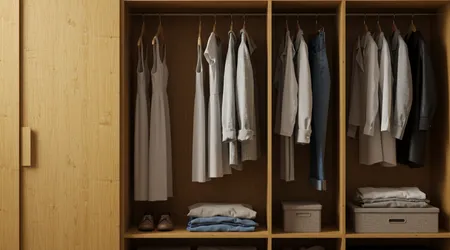
Before you buy new parts, check what you already own. How to build a fair wardrobe, starts with an inventory.
Sort through your clothes and donate or recycle them. Second-hand platforms like Momox Fashion are ideal for this.
Make a list of your favorite pieces. Which cuts and colors do you wear often? This will help you find sustainable alternatives.
For example: Do you love white T-shirts? Look for GOTS-certified basics from Melawear. This way you can avoid buying the wrong thing.
See more: Vegan fashion: What's behind it?
Analyze the materials, too. Synthetic fabrics like polyester are often harmful to the environment. Opt for natural or recycled materials. This exercise will raise your awareness and lay the foundation for a sustainable wardrobe.
Step 2: Understanding sustainable materials
Choosing the right materials is crucial. How to build a fair wardrobe, depends heavily on materials such as organic cotton, linen or Tencel.
These are biodegradable and resource-efficient. GOTS-certified fabrics guarantee environmentally friendly production.
Avoid conventional cotton, as it requires a lot of water and pesticides. According to WWF (2023), up to 2,700 liters of water are used to produce a single T-shirt.
See also: Fair fashion for special occasions: Celebrate sustainably
Recycled materials, like those used by Patagonia, significantly reduce this footprint. Knowledge is power here.
For example, a pair of sneakers from Veja uses recycled plastic and organic leather. Such materials are environmentally friendly and look stylish. Look for certifications like Fairtrade or the Green Button to ensure quality.
| material | Advantages | Disadvantages | Examples |
|---|---|---|---|
| organic cotton | Environmentally friendly, skin-friendly | More expensive than conventional cotton | Melawear T-shirts |
| Recycled polyester | Reduces waste, long-lasting | Not biodegradable | Patagonia jackets |
| Tencel | Sustainable, soft, biodegradable | Higher production costs | Armedangels trousers |
| Linen | Breathable, durable | Wrinkles easily | Northern Lights Store Blouses |
Step 3: Discover fair brands
The selection of fair fashion labels is constantly growing. How to build a fair wardrobe, is made easier by brands like Loveco or Recolution.
They prioritize transparency and ethical production. Their collections are modern and versatile.
For example, Thinking Mu offers colorful basics made from organic cotton that are perfect for everyday wear. Brands like these demonstrate that sustainability doesn't have to be boring. Online shops like Avocadostore bring together many labels and make searching easier.
Explore local labels like Manomama, which produce in Germany. This strengthens the regional economy and reduces transport emissions. Ask yourself: Why support fast fashion when there are so many fair alternatives?
Step 4: Buy less, choose better
Slow fashion means consuming consciously. How to build a fair wardrobeIt's based on the principle of "less is more." Invest in timeless pieces that can be combined in many ways. A high-quality coat from Hessnatur will last for years.
Avoid impulse buys. Before every purchase, ask yourself: Do I really need this? Does it fit with my wardrobe? A capsule wardrobe approach with 30 versatile pieces saves time and money. This way, your style stays clear and consistent.
For example, Lisa from Berlin has reduced her wardrobe to 40 items, including a GOTS-certified dress from Lanius. She combines it with second-hand accessories and saves hundreds of euros a year. Quality pays off.
Step 5: Use second-hand and upcycling products
Second-hand shopping is a key to sustainability. How to build a fair wardrobeThis is possible through platforms like Sellpy or local flea markets. Here you can find unique pieces that save resources and add character to your style.
Upcycling is a creative alternative. An old shirt can become a trendy bag. Platforms like Etsy offer upcycling ideas and courses. This way, you give clothes a second life and reduce waste.
Example: Max from Hamburg sewed a jacket from old jeans. He learned the basics of upcycling using YouTube tutorials. Projects like these promote creativity and sustainability. Give it a try!
Step 6: Care and repair for longevity
Proper care extends the lifespan of your clothes. How to build a fair wardrobeIt also means appreciating your clothes. Wash at low temperatures and use environmentally friendly detergents to protect fabrics.
Repair instead of throwing away. A torn hem? Sew it instead of discarding it! Many cities offer repair cafés where you can find help. This way, your wardrobe remains sustainable and unique.
A tip: Use a laundry bag for delicate fabrics like linen. This protects the fibers and saves energy. Caring for your clothes is like a love letter – they'll reward you with longevity.
Step 7: Express your style sustainably
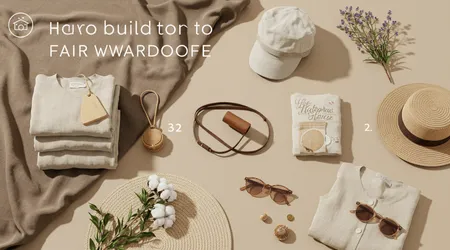
Sustainability and style are not mutually exclusive. How to build a fair wardrobeIt allows you to personalize your look. Combine second-hand finds with fair-trade basics for a unique style.
Experiment with colors and cuts. A colorful T-shirt from Komodo will liven up neutral outfits. Accessories like vegan bags from Matt & Nat will complete your look. Be bold and creative!
To illustrate: Your wardrobe is like a garden. With the right plants (fair sharing) and care (conscious consumption), it flourishes sustainably. Your style remains vibrant and responsible.
Step 8: Education and Engagement
Knowledge is the key to change. How to build a fair wardrobeIt starts with education. Read books like "Fashionopolis" by Dana Thomas or follow platforms like Fashion Changers to discover trends and labels.
Get involved in the community. Clothing swap parties or workshops encourage exchange and provide inspiration. This way you learn how others live sustainable fashion and find new ideas.
Share your knowledge! Post your sustainable outfits on social media with hashtags like ##SlowFashionForAll. Your engagement motivates others to consume more consciously. Together we can change the fashion world.
Conclusion: Your path to a fair wardrobe
How to build a fair wardrobeIt's a process that requires awareness, creativity, and commitment. Every step, from analyzing your closet to choosing sustainable materials, contributes to change.
Fair fashion is more than just fashion; it's a statement for a better world. Start small, be patient, and celebrate every step forward.
With brands like Melawear, second-hand platforms, and upcycling, you can combine style and sustainability. Become part of the movement and shape the future of fashion – your wardrobe will thank you, and so will the world.
The journey towards a fair wardrobe is an investment in the future. It saves resources, promotes fair working conditions, and raises your awareness.
Start today by replacing a garment or attending a repair workshop. Every little step counts for you, the environment, and the people behind your clothes.
Frequently Asked Questions (FAQ)
1. What is the difference between fair fashion and fast fashion?
Fair fashion focuses on sustainable materials and ethical production, while fast fashion produces cheap, short-lived clothing under questionable conditions.
2. How can I recognize fair fashion?
Look for certifications such as GOTS, Fairtrade or Green Button and check the brand's transparency regarding supply chains and working conditions.
3. Is sustainable fashion expensive?
High-quality items often cost more, but they last longer. Second-hand and upcycled items are cost-effective alternatives.
4. How do I start with a capsule wardrobe?
Choose 30-40 versatile, timeless pieces made from sustainable materials that are easy to mix and match, and complement them with second-hand finds.
5. Where can I find fair trade brands?
Online shops like Avocadostore, Loveco or Nordlichtstore offer a wide selection of fair fashion labels with transparent standards.