
Fair fashion for special occasions: Celebrate sustainably

Advertisement
When we talk about Fair fashion for special occasions When we talk about this, it's about more than just clothing. It's about a conscious decision.
We want to celebrate without harming the environment. We want to leave a positive footprint. This makes every celebration even more meaningful.
Until now, evening wear and formal dresses were often considered disposable items. They were bought for a single occasion and then disappeared into the closet. This is a huge problem and it's damaging our planet.
Large fashion houses focus on fleeting trends. They mass-produce clothing, often under poor conditions. The fabrics are full of chemicals, creating an environmentally damaging cycle.
But a new generation of designers is changing that. They are proving that elegance and ethics go hand in hand. They use sustainable fabrics and fair working conditions. They are showing that style doesn't have to come at the expense of morality.
These designers are pioneers. They create timeless pieces. They develop clothing that can be worn multiple times. A sustainable approach is their philosophy. It is the foundation of their success.
The demand for sustainable fashion is rising rapidly. Consumers are becoming increasingly informed. They want to know where their clothes come from. This builds trust and strengthens the brand.
Stylish alternatives to disposable chic
How can we celebrate elegantly without getting caught up in fast fashion? The answer lies in smart alternatives. You don't always have to buy something new. There are many creative ways.
One option is to rent clothes. There are specialized rental services for designer pieces. This way, you can wear high-quality clothing for an evening. After the party, you simply return it.
This makes economic and ecological sense. You save money. At the same time, you reduce your own consumption. This makes luxury accessible without having to own it. It's a win-win situation for everyone.
Another concept is buying second-hand. Vintage boutiques are true treasure troves. There you can find unique pieces with character and history. They are often of better quality than new goods.
++ Vegan fashion: What's behind it?
You can also give old things a new lease on life. A simple evening dress can be enhanced with accessories. A seamstress can alter it. You're giving a piece a second life. That's true creativity.
Designers of fair fashion often use innovative fabrics. Organic silk, recycled cotton, and Tencel are just a few examples. These materials are environmentally friendly and feel wonderful. They are a pleasure against the skin.
Some labels collaborate with local artisans. They receive fair wages. Their traditional skills are valued. This is more than just fashion. It's cultural preservation and social responsibility.
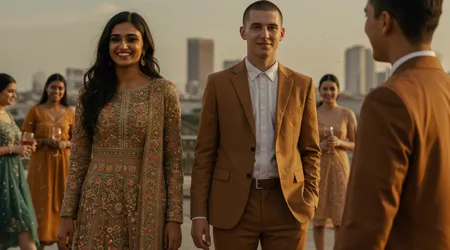
Fair fashion for special occasions: brands and innovations
The brand "Junge Helden" (Young Heroes) is an outstanding example. They design evening dresses from recycled polyester. This material is made from plastic bottles. The dresses are elegant and sustainable.
Another label, "Luna Fae," specializes in bridal wear. They use organic cotton and dye the fabrics with plant-based dyes. Their dresses are simple yet beautiful. They represent an ethical new beginning.
These brands demonstrate that ethical luxury exists. It's not just a trend. It's a movement. One that has the potential to transform the entire industry.
The market for sustainable fashion is growing steadily. According to a 2024 study by the market research company Statista, sales in the fair trade evening wear sector increased by 12% compared to the previous year. Consumers value conscious purchasing decisions.
Imagine a wedding celebration. The bride wears a dress made from recycled fabric. The groom wears a suit made from organic linen. All the guests wear secondhand or rented clothing. Doesn't that sound like a celebration of love and respect?
See more: How to properly care for clothes to extend their lifespan
That is the vision. A celebration that is not only good for ourselves, but also for our planet. It is a celebration that is in harmony with our values.
Fair fashion for special occasions It's more than an option. It's a stance. It shows that we take responsibility. We want to create a better future.
The challenge and the opportunity
The biggest challenge is often the price. Fair trade clothing is generally more expensive. This is due to better working conditions and higher-quality materials.
But in the long run, the investment pays off. A high-quality garment lasts longer. You can wear it multiple times. You don't have to throw it away after just one use.
Large fashion companies need to rethink their approach. Their business model is based on overproduction. It is simply not sustainable. They will have to adapt in order to survive.
This change is like a detour. You could take the main road, which is fast but dusty and crowded.
Or you can take the beautiful, overgrown country lane. It might take longer, but you'll be surrounded by beauty and peace. The country lane is the fair way to go.
See also: Sustainable Shoes: 10 Brands You'll Love
The table below compares two evening dresses: one from fast fashion and one from ethically produced clothing. The data is based on industry reports and independent analyses.
| feature | Fast-fashion dress | Fair dress |
| material | Synthetic (polyester) | Tencel (eucalyptus fiber) |
| Production site | Factory in Asia, unclear | Small studio in Europe |
| Working conditions | Low wages, long working hours | Fair wages, good conditions |
| Environmental pollution | High (chemicals, water) | Low (closed circuit) |
| Price | Low ($50-$100) | Medium ($200-$400) |
As the table shows, fair trade clothing is more expensive. But the benefits for the environment and people are immeasurable. You're not just buying a product; you're investing in value.
Awareness is growing. More and more people are actively seeking sustainable options. The era of mindless consumption is coming to an end. This is a great opportunity.
What the future holds
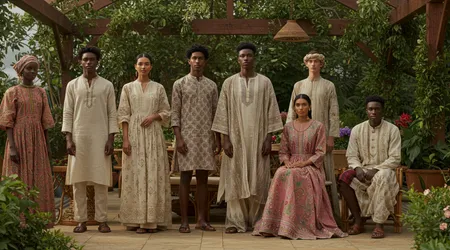
The market for Fair fashion for special occasions It will continue to grow. New technologies will facilitate production. Innovative materials will be developed. The product range will become more diverse and accessible.
We can all do our part. Before we shop for a wedding or gala, we should ask ourselves: Where does this come from? Who made it? What happens to it afterwards?
Every conscious decision counts. Every small step makes a difference. It's time we not only live our values, but also embody them.
The journey of fair fashion is only just beginning. It promises to lead us on a path that makes us all more beautiful. A path that is good for us and the world.
So, the next time you dress up for a celebration, remember this. Your clothes can tell a story of values. They can tell a story of change.
Fair fashion for special occasions It's not just a trend. It's a transformation. It proves that style and responsibility go perfectly together.
Frequently Asked Questions
1. Is fair fashion always more expensive?
Fair fashion may initially be more expensive due to higher production standards, fair wages, and high-quality, often more expensive materials. However, in the long run, it can be more cost-effective because the clothing is more durable and doesn't need to be replaced as often.
2. How can I tell if a garment is truly fair?
Look for certifications such as GOTS (Global Organic Textile Standard), Fair Trade, or PETA-Approved Vegan. Research the company and its supply chains. Transparent brands provide information about their production conditions.
3. Can I also rent fair trade evening wear?
Yes, there are more and more platforms and boutiques specializing in renting evening wear. This is an excellent, sustainable, and cost-effective option for special occasions.
4. Are second-hand shops a good option for festive fashion?
Absolutely. Second-hand shops, vintage boutiques, and online platforms often offer unique and high-quality pieces that tell a story and help extend the life cycle of clothing.
5. What about accessories? Are there any fair trade options?
Yes, many brands offer fair-trade accessories, such as jewelry made from recycled materials, bags made from vegan leather, or scarves made from organic fabrics. Here, too, there are numerous ways to create a sustainable style.