
Urban gardening as self-care and mindfulness

Advertisement
In the hustle and bustle of urban life, we are constantly searching for effective ways to reduce stress and promote mental health. I have realized that the answer is often closer than we think.
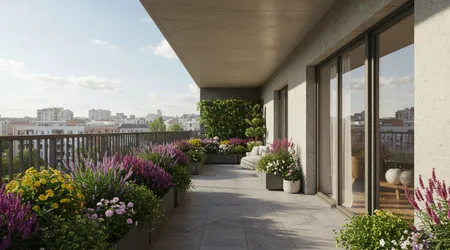
Urban gardening as self-care and mindfulness Practicing this has proven revolutionary for me. It transforms balconies, backyards, and windowsills into therapeutic retreats.
This simple, earth-connected activity offers a direct counterbalance to digital overload and urban noise. The garden becomes an active meditation, a place where we learn to be patient and present in the moment. Connecting with nature, even in small doses, is essential for our well-being in 2025.
This article explores the profound psychological benefits of urban gardening. We examine the scientific connections between soil and our mood, and how focusing on growth strengthens our resilience. It's not just about harvesting vegetables; it's about sowing seeds of inner peace.
How does gardening act as an active meditation?
Mindfulness means perceiving the present moment without judgment. Gardening provides the perfect physical basis for this practice.
What happens in our brain when we garden?
The repetitive, tactile movements of weeding, planting, or watering ground us and interrupt the flow of thoughts. These repetitive actions act like a Mental anchorYour thoughts can come to rest.
The focus is entirely on the immediate task: the texture of the soil, the scent of the herbs, the precise planting of a seedling. Urban gardening as self-care and mindfulness allows us to exit multitasking mode.
By focusing on growth, we shift our focus from uncontrollable anxieties about the future to the manageable microcosm of the garden. This is immediate. Here and now.
++ Garden planning according to permaculture design
Why is the smell of earth therapeutic?
Scientific research has confirmed the link between soil and well-being. Working with soil releases certain microorganisms.
The soil contains the harmless strain of bacteria Mycobacterium vaccaeThis can increase the production of serotonin, a mood-enhancing neurotransmitter, in the human body.
This "Floor therapy" is a direct, biochemical benefit of gardening. It is a natural antidepressant, which shows that Urban gardening as self-care and mindfulness It goes far beyond the purely visual. Physical interaction with nature is the key to healing.
What psychological effects does the urban garden have?
The psychological benefits of gardening are well documented and offer specific advantages for city dwellers who are constantly exposed to environmental stress.
How does gardening promote resilience and patience?
Plants grow at their own pace; they cannot be sped up by our hectic pace. This slow, natural rhythm teaches us something. Patience and acceptance.
See more: Micro-gardens in the kitchen: Fresh herbs always at hand
The metaphor of growth as a life lesson
Waiting for a tomato to germinate or ripen forces us to respect the process. Failures (e.g., a diseased plant) teach us to let go and start anew. These lessons directly translate to how we cope with life.
Gardening is a constant reminder that growth takes time and is not linear. Accepting this brings us a deeper sense of peace.
See also: How you can store CO₂ with your garden
How does control over our microcosm affect our well-being?
In a chaotic city, we can't control traffic or politics. However, our small garden offers a Oasis of control and competence.
Successful plant care strengthens our sense of self-efficacyIt is a tangible, visible reward for our efforts, a strong argument for Urban gardening as self-care and mindfulness.
The concrete application: Permaculture and minimalism
The principles of permaculture and minimalism in the urban garden enhance the effects of mindfulness.
What practical steps lead to a mindful garden?
Designing small urban spaces requires creativity and a systematic approach, which further sharpens the focus.
Using permaculture principles for the balcony
Permaculture teaches us to work with nature, not against it. This means creating closed cycles, for example by composting kitchen waste in a worm composter.
This conscious closing of cycles creates a sense of responsibility and connection. It is a microsystem that puts the ethical component of mindfulness into practice.
Example: The targeted planting of basil next to tomatoes (Good neighborlinessIt reduces pests without chemicals. This intelligent, observational approach is profound mindfulness in practice.
Vertical gardens as a multifunctional form of self-care
Vertical gardens and raised beds maximize limited urban space. They minimize clutter and make maintenance more efficient.
The clear structure of the vertical garden prevents overwhelming chaos. The limited selection of plants we cultivate allows for deeper concentration on each individual, which increases mindfulness.
Statistics: A meta-analysis of European Public Health Association (2024) showed that urban gardeners, compared to non-gardeners, have a average decrease in cortisol (stress hormone) levels by 15 % They showed results after just 30 minutes of gardening per week. This demonstrates the physiological effect.
The connection: Social and cultural well-being
The garden is not only a place of individual peace and quiet, but also a bridge to the community and to cultural enrichment.
How does gardening strengthen social connections?
Community gardens and the sharing of surplus produce promote social cohesion in the anonymous city.
Community gardens as social anchor points
Working together in a community garden breaks down the isolation of the city. Sharing knowledge, seeds, and harvests creates new social bonds and a sense of belonging. affiliation.
This counteracts urban anonymity. These social contacts, forged through shared interests, are an underestimated aspect when we talk about... Urban gardening as self-care and mindfulness speak.
The Rediscovery of Local Rhythms
Gardening forces us to rediscover the local, seasonal rhythms that get lost in the supermarket. We become more aware of the weather and the seasons again.
We learn about the microecology of our location, respecting the local insects and soil conditions. local connection is a profound act of cultural mindfulness and grounding.
Analogy: The hustle and bustle of the city is like a loud, cluttered digital feed, constantly clamoring for our attention. The garden is like a silence app, forcing us to pause, disconnect, and focus on organic, slow growth.
Mindfulness factors in urban gardening
| Activity in the garden | Focused sensory perception | Psychological effect | Mindfulness principle |
| Pour | Smooth movement, the smell of damp earth. | Calming of the nervous system, sense of rhythm. | Reduction of mental chaos. |
| Weeding/removing weeds | Tactile perception (earth, roots), focus on the hand. | Separation of essential and non-essential information. | Presence in the moment (here and now). |
| Sow seeds | Precise dexterity, anticipation of growth. | Strengthening hope, acceptance of the unknown. | Patience and trust in the process. |
| Harvest | Visual and olfactory reward, haptic sensation of the fruit. | A feeling of self-efficacy and success. | Gratitude and appreciation. |
Conclusion: The harvest of rest
Urban gardening as self-care and mindfulness is far more than a hobby; it is a psychologically sound strategy for coping with stress in the modern metropolis.
The tactile, repetitive tasks ground us, the biological processes lift our spirits, and the need for patience trains our resilience.
The true harvest lies not only in the harvested vegetables, but in the inner peace and the sharpened focus we gain. Nature offers us a simple, accessible path to mindfulness.
When was the last time you consciously enjoyed the silence in your garden or on your balcony? Share your favorite mindfulness gardening exercise in the comments!
Frequently Asked Questions (FAQ)
Q: Do I need a large garden to feel the benefits?
A: No, absolutely not. The therapeutic benefits arise from the intensity The activity, not the size of the room, is what matters. Even a small raised bed or herb pots on the windowsill are sufficient.
Q: How do I get started if I don't have a green thumb?
A: Start with easy-to-care-for, fast-growing herbs like mint or basil. Their quick success will immediately boost your sense of self-efficacy, which forms the basis for... Urban gardening as self-care and mindfulness educates.
Q: How can I avoid gardening becoming another source of stress?
A: Set realistic, minimal goals. Don't think of the garden as just another "to-do" list, but as a place of... playful relaxationFailures are part of the learning process; don't take them personally.