
Implementing permaculture in your own garden.
Advertisement
The Permaculture is a fascinating concept that has been developed since the 1970s by Bruce Charles Bill Mollison and David Holmgren.
It aims to design gardens sustainably and ecologically by adopting the principles of nature. In a Permaculture garden Create a functioning ecosystem that conserves and preserves natural resources.
By using perennial plants such as rhubarb, asparagus, and artichokes, the annual effort can be significantly reduced. Single sowings, as with wild rocket, allow for yields for years without reseeding.
Mulching protects the soil from water evaporation and promotes resilience, especially during dry periods.
This article will guide you through the essential aspects of sustainable agriculture and shows you how to apply the principles of permaculture in your own ecological garden can implement.
Let yourself be inspired and discover how easy it is to design a garden that lives in harmony with nature.
Introduction to Permaculture
Permaculture is a fascinating concept based on the Fundamentals of Permaculture This method aims to create permanently viable agroecosystems that are modeled on natural environmental examples. Forests and wetlands serve as inspiring examples of the biodiversity and resilience that permaculture strives for. This approach to sustainable farming methods not only promotes food production but also the creation of vibrant ecosystems.
The goal of permaculture is to create adaptive agricultural systems that function in harmony with nature. By viewing gardens as intelligent organisms, a network is created that is fed with food, information, and energy. This positive energy can be maximized through sustainable practices, resulting in a positive balance within the gardens.
A comprehensive book on permaculture describes 130 different types of vegetables and offers detailed profiles covering everything from sowing to harvesting. The 192-page print edition contains 300 color photos and graphics that provide a clear illustration of the sustainable farming methods offer.
The book costs €24.50 and is printed on recycled paper, further supporting its environmental sustainability. It also includes practical tables on specific plant species and a vegetable calendar poster providing important information on sowing, harvesting, and storage.
The principles of permaculture
The Permaculture principles offer a comprehensive framework for ecological gardening, which takes into account the interaction of plants, animals, and humans. Developed by Bill Mollison and David Holmgren, these principles enable the sustainable use of natural resources and promote biodiversity-rich systems.
A central concept is the principle of "Earth Care," which promotes the mindful use of water and soil, regardless of its direct benefit to humans. Equally important is the principle of "Fair Shares," which demands a just distribution of resources and encourages consumption of only what is necessary. The principle of "People Care" focuses on socially just practices and the well-being of the community.
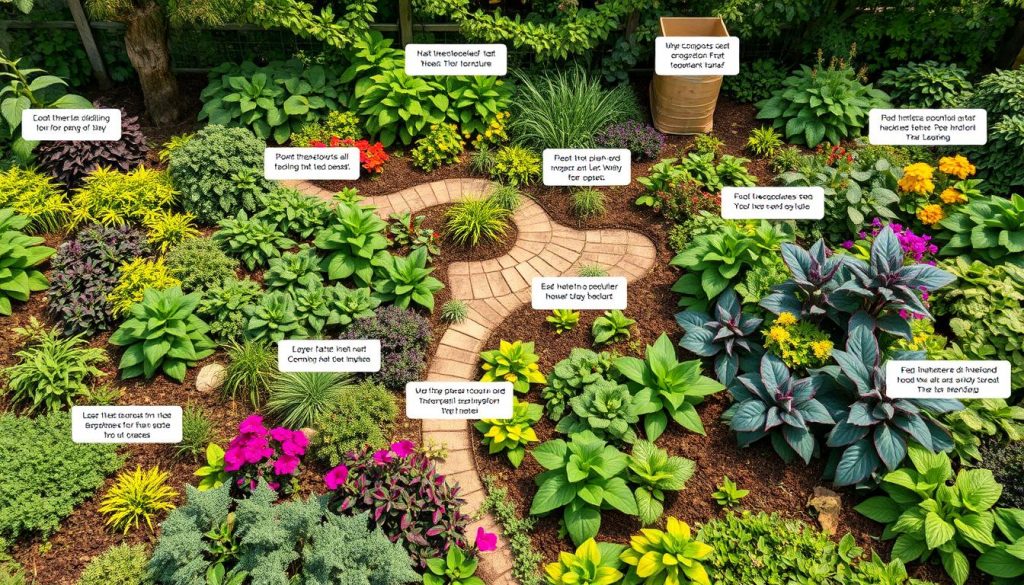
The 5 R's – Refuse, Reduce, Reuse, Repair, Recycle – are further essential aspects of permaculture. These principles promote efficient work in harmony with nature and reduce the ecological footprint. Perennial plants such as fruit trees contribute to resource conservation and increase long-term yields.
The principles of permaculture address various other aspects, including:
| principle | Description |
|---|---|
| Use renewable resources | Avoid using non-renewable resources. |
| Produce no waste | Create circular systems for the continuous reuse of resources. |
| Integrate, not separate. | Create connections between different elements in the garden. |
| Use and appreciate the diversity | Diversification increases the stability and resilience of the system. |
| Respond creatively to change | Be adaptable to changes in your environment. |
Through the serious application of these Permaculture principles can that ecological gardening This leads to healthy ecosystems that combine both yield and environmental protection. A well-designed permaculture garden demonstrates that it is possible to be productive and responsible in its interaction with nature.
Zoning in a permaculture garden
The Zoning planning Zones are a fundamental concept in permaculture that focuses on the arrangement and use of different areas of the garden. This strategy promotes efficient resource use and reduces labor. The zones in a Permaculture garden are divided into five categories, starting with Zone 0, which represents the house.
Zone 1 contains plants that are harvested frequently, such as lettuce and culinary herbs. Access is crucial here, as these plants are needed several times a day. Zones 2A and 2B expand cultivation to include higher-value vegetables like chard and legumes, with varying levels of care required. Zone 3 is home to robust plants like potatoes, which require less intensive care.
Zone 4 comprises the fruit and nut garden, which requires maintenance every few weeks. This zone can also include beehives, which need regular care. Finally, Zone 5 represents the wilderness, which increases biodiversity and serves the ecological balance.
Overview of Permaculture Zones
| Zone | Description | Care frequency |
|---|---|---|
| Zone 0 | Living space, daily food preparation | Constant |
| Zone 1 | Kitchen herbs and salads | Several times a day |
| Zone 2A | Fine and coarse vegetables | Daily |
| Zone 2B | Legumes and root vegetables | Every 2-3 days |
| Zone 3 | Robust plants (e.g. potatoes) | Every few days |
| Zone 4 | Fruit and nut garden | Every few weeks |
| Zone 5 | Wilderness promotes ecological balance | Rarely |
The design of the zones should be adapted to the specific needs and conditions of the garden. Smaller gardens can focus on zones 0 to 2 and the wilderness area, while larger gardens allow for deeper diversification. By concentrating on individual zones, every garden owner can get the most out of their space while simultaneously promoting biodiversity.
Observations in the garden
To create a successful permaculture garden, targeted measures are necessary. Garden observations Essential. Pay close attention to the plant and animal life that settles on your property. Some species, due to their adaptability, can thrive particularly well in the local ecosystem and provide you with valuable insights into natural cycles.
Analyzing the sun's position throughout the day helps in planning plantings. Observations of soil types and microclimates provide information about which areas of the garden are better suited to different crops. Such insights allow for optimal support of plant growth.
A practical example of the application of Garden observations These are the seasonal changes in nature. They show how different plants grow depending on light, temperature, and humidity. Use this information to select the right plants and understand their needs.
| Observation type | Important details | Uses for the garden |
|---|---|---|
| Plant growth | Growth rates and directions | Selecting suitable plants for specific site conditions |
| Animal activity | Visit from pollinators and pests | Improvement of biodiversity and natural pest control |
| Sun position | Time and duration of solar radiation | Optimal placement of plants according to their light requirements |
| Soil analyses | Humidity, temperature, composition | Promoting soil health management |
Understanding these aspects is crucial for creating a harmonious and productive garden. By regularly observing the natural cycles and changes, you will develop a deep understanding of your garden's dynamics. This knowledge will support and enhance your permaculture practice.
Ideas for implementing permaculture in your own garden
The implementation of Permaculture ideas Your own garden offers numerous creative possibilities. First, you can create different zones to cultivate herbs, vegetables, and fruit in a targeted way. Focusing on perennial plants and mixed cropping instead of monocultures significantly promotes biodiversity. This is crucial for creating a stable and self-sustaining ecosystem.
An important aspect of Garden design Compost beds are a key feature of permaculture. They provide a natural source of nutrients and reduce reliance on artificial fertilizers. The application of mulch and the creation of a wild, untamed soil also strengthen the ecosystem and minimize human intervention.
- herb spiralThis is ideally suited for the use of vertical surfaces and creates different microclimates for plants.
- raised bedsThese increase soil fertility and improve water retention.
- PondsThey promote biodiversity and provide habitats for many organisms.
Experts also recommend collecting rainwater in containers. This can ensure a sustainable water supply and significantly reduce costs. Wild corners in the garden provide habitat for beneficial animals that contribute to pest control and pollination. This benefits the entire ecosystem. Garden design not only ecologically sound, but also aesthetically pleasing.
Applying these principles can not only increase yields but also reduce environmental impact. Through innovative methods Permaculture ideas Gardeners lay the foundation for a sustainable future.
| measure | Advantages |
|---|---|
| herb spiral | Promotes diverse microclimates |
| raised beds | Increases soil fertility |
| Rainwater harvesting | Reduces water costs by up to 30% |
| Wild corners | Create habitats for beneficial insects |
Interested parties can find more information about Garden design with permaculture, which shows how diverse the possibilities are for implementing one's own ideas.
The soil: the foundation of permaculture
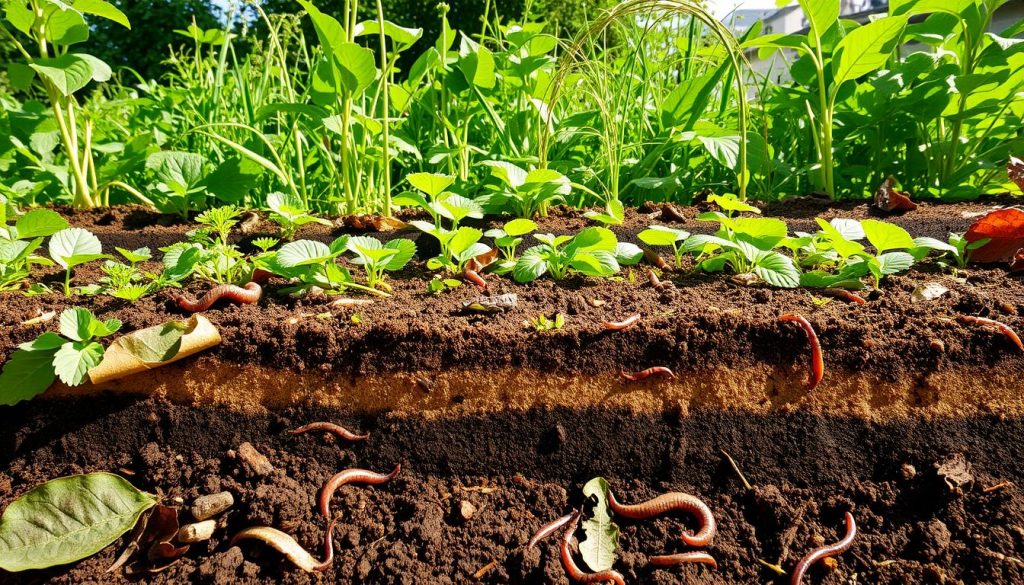
The soil is the central resource in a permaculture garden. It is important to understand the Soil health to obtain, which means nutrients through Composting and organic materials. Various techniques, such as no-till farming and the use of mulch, promote a healthy soil ecosystem and prevent its disturbance.
Well-maintained soil is crucial for rich plant diversity and high yields. Biodiversity plays an essential role, as it supports the stability of the ecosystem. A diverse interplay of life forms promotes healthy soil and contributes to overall well-being. Soil health at.
In permaculture design, the recycling of organic waste through Composting This practice is particularly noteworthy. It not only improves the soil but also reduces dependence on external fertilizers. The benefits are noticeable in the long term and contribute to sustainable solutions.
| Soil health methods | Advantages |
|---|---|
| Composting | Reuse of organic waste, improvement of soil structure |
| Mulch | Weed reduction, soil moisture retention |
| Non-inversion tillage | Preservation of soil organisms, improvement of nutrient uptake |
| Promoting biodiversity | Stability of the ecosystem, natural protection against pests |
Water and irrigation in the permaculture garden
In the permaculture garden, this is Water management Of central importance. In light of increasing challenges such as heat waves and droughts worldwide, it is crucial to use rainwater effectively. Rainwater can be collected using various methods such as gutters and clay pots. These technologies help to provide water during dry periods.
The ideal time for watering is early in the morning. This minimizes evaporation, which can be very high, especially on hot days. Ideally, intensive watering should take place every three to four days to ensure sustainable water use. The choice of plants plays a crucial role: deep-rooted plants such as olive or nut trees are more resistant to periods of drought compared to shallow-rooted species.
To support the Water management Constructed wetlands can be installed to treat household wastewater. This treated wastewater can then be used for irrigation, thus reducing the strain on water resources. Composting toilets also contribute to a circular economy in the garden by converting feces into valuable fertilizer.
The use of humus-rich soils increases the garden's water retention capacity. These soils can store and release large quantities of water, thus helping to better withstand periods of drought. Compared to monocultures, polycultures promote better soil moisture. In Mediterranean regions, rainwater harvesting systems are widespread and demonstrate how effective Water management It can lift. In light of climate change, the need to use rainwater will continue to increase.
Conclusion
Implementing permaculture in your own garden presents an excellent opportunity to... Advantages of permaculture to use. With a sustainable Garden design Create a harmonious interplay with nature that not only promotes biodiversity but also uses resources efficiently. The result is a garden that not only yields harvests but also contributes to improving your quality of life.
As mentioned earlier, permaculture offers comprehensive principles that allow you to make the most of your garden space. Zoning plays a crucial role, reducing maintenance while increasing yield. Raised beds or mound gardens are fantastic options for minimizing upkeep and promoting healthy, nutrient-rich plants.
Overall, permaculture is more than just a method of growing plants; it's a holistic approach to creating a resilient and sustainable ecosystem. By choosing this form of gardening, you actively contribute to a better environment and a regenerative lifestyle. Start implementing these principles today and experience the positive changes in your own garden.
FAQ
What is permaculture?
Permaculture is a concept for the sustainable and ecological design of gardens. It is based on cooperation with nature and aims to create a functioning ecosystem.
How can I implement permaculture in my garden?
To successfully implement permaculture in your garden, you should observe the natural environment, plan zones, and use resources efficiently. Ideas such as creating companion planting and using compost can be very helpful.
What principles should I follow when practicing permaculture?
Key principles of permaculture include observing nature, preserving biodiversity, and creating closed-loop systems. Avoid the use of chemicals to promote a healthy ecosystem.
How does zoning work in a permaculture garden?
The Zoning planning A permaculture garden comprises five zones, starting with Zone 0 (the house) and ending with Zone 5 (wilderness). This planning helps to use resources efficiently and optimize gardening.
Why are garden observations important?
Garden observations They help you better understand the natural conditions and cycles in your garden, including sun positions and soil types. This supports the selection of the right plants and their care.
What ideas can I use for designing my permaculture garden?
You can create different zones for herbs, vegetables, and fruit, plant perennials, and establish mixed crops. Using compost beds and creating a wild soil environment are also effective measures.
How do you keep the soil healthy in a permaculture garden?
Soil is the central resource in a permaculture garden. Use techniques such as... Composting and non-inversion tillage to Soil health to promote and return nutrients.
How can I use water efficiently in a permaculture garden?
Efficient Water management This includes collecting and storing rainwater. You can use gutters, clay pots, or ponds to make good use of the water during dry periods.
What are the advantages of permaculture?
Permaculture offers numerous advantages, including promoting biodiversity, efficient resource use, and reducing the ecological footprint. It also improves quality of life and our relationship with nature.