
Natural fibers and synthetic fibers in a sustainable comparison
Advertisement
natural fibers and synthetic fibers They are currently at the center of a heated debate about the ecological future of our global clothing industry.
Anyone wanting to buy sustainable fashion faces a virtually impenetrable labyrinth of environmental certificates, material designations and contradictory promises.
Many consumers simply buy cotton without considering the hidden water resources that its cultivation consumes.
Choosing the right textiles significantly determines how much our daily wardrobe actually burdens the planet.
An honest comparison requires a dispassionate look at the entire life cycle of a garment. From the first harvest of the plants to its decomposition in the landfill, every yarn leaves its own mark.
If we want to act sustainably, we must consistently question the myths of the fashion industry.
Are you ready to take a closer look at the surprising environmental footprint of your own wardrobe?
Guidance for conscious textile choices
- Analysis of the ecological advantages and disadvantages of plant and animal raw materials.
- The role of synthetic fibers with regard to microplastics and resource consumption.
- Evaluation of innovative recycling processes for closed-loop systems in the fashion world.
- Practical tips for optimal care and extending the lifespan.
What are the distinguishing features of plant-based and animal-based raw materials?
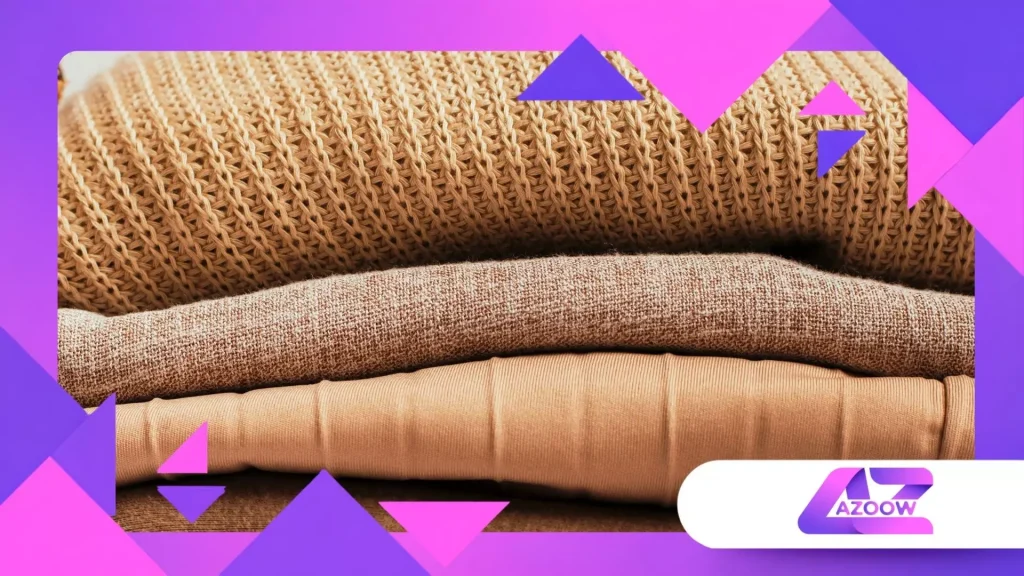
The interplay of natural fibers and synthetic fibers This shows, particularly in the case of organic plant textiles, how complex ecological assessments can be in reality.
While organic flax and hemp require extremely little water and thrive without pesticide-intensive monocultures, conventional cotton consumes enormous resources.
However, natural materials offer the invaluable advantage of being biodegradable and not leaving behind endless mountains of waste.
They naturally conform to the skin and allow for excellent breathability in everyday life.
However, the production of animal fibers such as wool or silk requires large areas of land and causes noticeable methane emissions through grazing.
Comparing a wool scarf to a plastic sweater is like comparing an apple to a piece of Styrofoam.
The natural fiber blends harmoniously into the biological cycle once its useful life has expired. This natural origin protects our waterways from indelible synthetic residues.
Why is the water consumption of cotton problematic?
Conventional cotton farming requires thousands of liters of water for a single T-shirt, often leading to regional drying up of river landscapes.
Better alternatives such as European flax mostly utilize natural rainfall and thus conserve precious groundwater resources.
Those who pay attention to organic certifications significantly reduce their ecological footprint when buying clothes.
++ What do GOTS, OEKO-TEX & Co. mean? Sustainability labels explained.
How do hemp and flax fare in terms of their environmental impact?
Hemp grows extremely fast, naturally suppresses weeds, and requires no synthetic pesticides.
Furthermore, this plant improves soil quality for subsequent agricultural crops through its deep root structures.
Linen, in turn, impresses with its enormous robustness, which makes garments look like new for many years.
See more: Donate or recycle old clothes? Here's how to do it right.
What role does biodegradability play?
Pure natural materials decompose in compost within a few months without releasing toxic residues into the environment.
However, this assumes that the textiles have not been treated with chemicals containing heavy metals or chemical dyes.
Untreated natural substances therefore remain the cleanest choice for a closed biological cycle.
How do synthetic textiles fare in terms of their environmental impact?
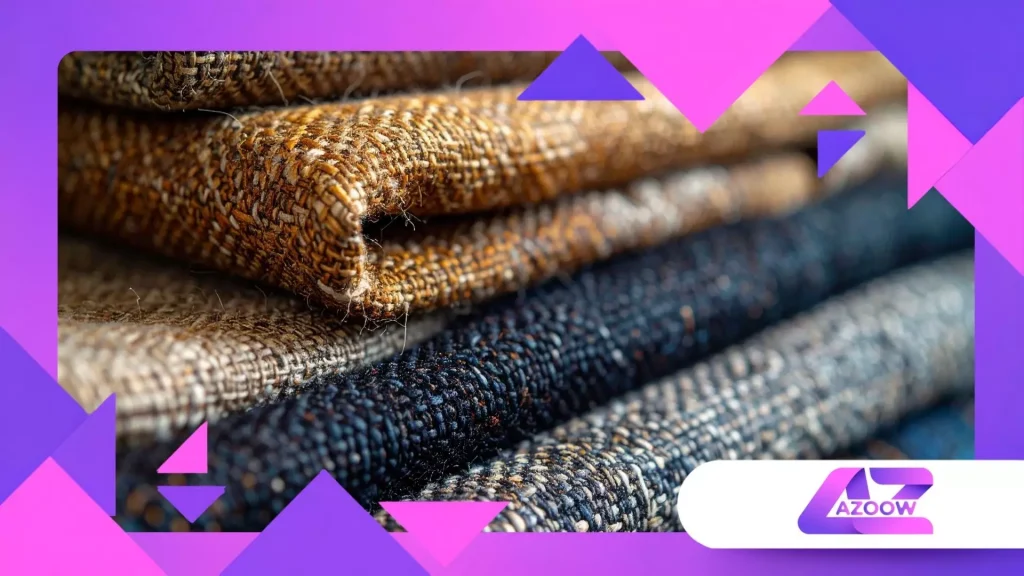
A critical look at natural fibers and synthetic fibers It reveals the downsides of extremely cheap petroleum products such as polyester, nylon, and acrylic.
The production of these synthetic yarns requires intensive chemical processes and consumes fossil raw materials on a large scale.
Nevertheless, plastics score points for their enormous durability, low production costs and quick drying in functional clothing.
These properties made synthetic fabrics the backbone of the global fast fashion industry.
However, the most serious disadvantage lies in the daily washing process, in which vast quantities of tiny plastic particles enter the sea via the wastewater.
According to data from IUCN Approximately thirty percent of the microplastics in our oceans come directly from washing synthetic clothing.
A single wash of a polyester sweater can release hundreds of thousands of microfibers, which ultimately end up on our plates via fish.
This invisible danger makes synthetic textiles a permanent burden on global ecosystems.
See also: Your first Fair Fashion month: A challenge for your wardrobe
Why does polyester produce so much microplastic?
The artificial filaments break off due to mechanical friction in the washing machine and pass through municipal sewage treatment plants without any problems.
These tiny plastic particles bind to environmental toxins and accumulate in the marine food chain. Special laundry bags can at least partially capture and reduce this abrasion.
What are the real advantages of recycled synthetic fibers?
Recycled polyester made from old PET bottles saves energy during production and reduces waste in the short term.
However, recycled polyester does not permanently solve the fundamental microplastic problem caused by washing. It merely postpones the plastic crisis instead of sustainably solving the underlying problem.
When are plastics functionally indispensable?
In extreme mountain sports clothing or waterproof rain cape equipment, plastics offer previously unmatched protection against capricious weather.
The high durability significantly extends the lifespan of this specialized clothing for many years. However, for everyday use, more environmentally friendly alternatives have long existed.
What does the future of a circular fashion industry look like?
The further development of natural fibers and synthetic fibers is heading towards innovative blended fabrics and novel bio-based synthetic fibers.
Scientists are developing fibers from wood cellulose, such as Tencel or Lyocell, which combine the comfort of silk with high environmental compatibility.
These regenerated cellulose fibers are produced in closed cycles where solvents are recovered at almost one hundred percent.
Such technological innovations elegantly bridge the gap between nature and synthetics.
However, this change also requires a shift in thinking among consumers, away from disposable clothing and towards durable quality.
A higher price per garment pays off if you multiply its lifespan through good care.
Those who value repairs and use second-hand options relieve the environment more effectively than by buying new.
Sustainability therefore begins not in the store, but with our daily actions.
What are the distinguishing features of Lyocell and Tencel?
These wood fibers come from sustainably managed forests and require a fraction of the water used by cotton.
The chemical manufacturing process uses biodegradable solvents that are continuously recycled. The result is an extremely soft, breathable, and environmentally friendly textile.
Why do blended fabrics make recycling more difficult?
T-shirts made from a mix of cotton and elastane are extremely difficult to separate using current technologies.
This mechanical hurdle means that millions of tons of mixed textiles ultimately end up being incinerated. The fashion industry must therefore increasingly focus on single-material clothing.
How can you extend the lifespan of clothing?
Washing at low temperatures protects the fiber structure and saves valuable household energy at the same time.
Small holes can be repaired with simple sewing techniques instead of immediately discarding the fabric. Proper care thus protects both the environment and your wallet.
Overview of ecological material comparison
The following overview shows the most important environmental parameters of different types of textiles in direct comparison.
| Material type | Water consumption | Biodegradability | Microplastic risk | Recommended area of application |
| Organic linen / hemp | Very low | Fully biodegradable | No risk | Summer clothes, everyday shirts |
| Conventional cotton | Extremely high | Fully biodegradable | No risk | Basic shirts, underwear |
| Polyester (synthetic) | Low (fossil raw material) | Non-degradable (for centuries) | Very high risk | Sportswear, rain jackets |
| Lyocell (Tencel) | Small amount | Biodegradable | No risk | Blouses, soft everyday clothing |
On the way to a more conscious wardrobe
The decision between natural fibers and synthetic fibers requires a clear assessment of intended use, durability, and environmental impact.
Natural materials offer unbeatable advantages in terms of biodegradability, while modern cellulose fibers set ecological standards.
By prioritizing quality over quantity and treating our clothing with care, we sustainably reduce our ecological footprint.
Every conscious purchase sends a signal to the fashion industry for greater responsibility. What materials do you prefer in your everyday wardrobe?
Frequently Asked Questions
Is organic cotton always the best choice for the environment?
Organic cotton completely avoids synthetic pesticides, thus protecting soil health and the health of local workers.
However, water consumption remains high, which is why linen or hemp are often the more environmentally friendly choice.
How can I identify microplastics in my clothing?
Check the garment's inner label before buying; terms like polyester, polyamide, acrylic or nylon indicate synthetic material.
Even small additives like elastane are of artificial origin and prevent biodegradation.
Are plant-based artificial silks like viscose truly sustainable?
This depends heavily on the manufacturing process, as conventional viscose is often processed with toxic chemicals.
Look for closed-loop manufacturing processes like those used by Tencel or ECOVERO to avoid environmental pollution.