
Urban Gardening for Beginners: How to Start Your City Garden
Advertisement
The desire for fresh greenery in the city is growing – not just as a trend, but as a reaction to an increasingly hectic, grey environment.
While skyscrapers tower into the sky and concrete plazas dominate the cityscape, many people yearn for a place that allows them to breathe. This is precisely where the concept comes in. Urban Gardening for Beginners to.
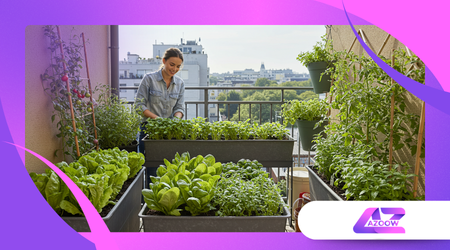
Whether it's your own garden bed on the balcony, a few tomatoes in the yard or a community garden around the corner – urban gardening is as diverse as the cities themselves.
And the best part is: you don't need much space or prior experience. Just some time, curiosity, and a willingness to reconnect with nature.
Why urban gardening is more than just gardening
Growing vegetables on the windowsill or cultivating herbs on the roof may seem insignificant at first glance. But a closer look reveals that urban gardening is transformative.
It not only provides food, but also creates connections. Between people, between people and the environment, between city and nature.
According to a survey by the University of Hohenheim, 72 percent of the city dwellers surveyed see urban gardening as a counterbalance to everyday digital life.
It reduces stress, promotes mindfulness, and brings back a sense of control to an often overwhelming world.
A student from Berlin recounted how, through tending a plot in a community garden, he forged new friendships, changed his diet, and truly observed the growth of a plant for the first time. For him, the small garden was more than just a place to harvest – it was a space to arrive.
It all begins with the first seed.
Those who want to garden in the city don't need to rent large plots of land or undergo formal training. It all starts with a small container, some soil, and a seed.
Basil on the windowsill, radishes in the balcony box or strawberries in a bucket – getting started is easier than you think.
The most important step is observation. How much light enters the apartment and when? Is there a sheltered spot on the balcony? What plants grow in the neighborhood? These questions will help you find the right place for your own garden.
A mother from Cologne started growing small tomato plants in her courtyard with her son. Initially planned as a summer project, it became a habit – a new experiment every year, a little more knowledge gained each year.
Her garden now consists of raised beds, boxes, and a homemade compost heap. And of conversations she would never have had with her neighbors before.
Care, patience, and the strength of everyday life
Urban gardening is not a race, but a slow, rhythmic journey in harmony with nature. Tending a small city garden requires neither expensive equipment nor daily hours.
Rather, success comes from consistency – from taking a short break in the morning, refilling the water in the evening, or observing a new shoot on the weekend.
It is this regularity that builds trust. Anyone who observes a plant over several weeks develops not only a sense of its condition, but also of their own sense of time.
Care becomes an integral part of everyday life – quiet, consistent, and empowering.
A pensioner from Frankfurt described how watering his small balcony garden daily helped him bring structure back into his life after a hospital stay. The plants didn't demand much – but they were there, reliable, growing, like a silent anchor.
Patience is just as important as care. Not every seed germinates, not every plant survives. But therein lies the power of urban gardening: it teaches us not to force things.
It shows that growth takes time, that failure is part of the process – and that something often grows from a seemingly empty pot. Those who accept this discover that gardening is not just a hobby, but a small school of life.
Suitable starting conditions for urban gardening
| Location | Suitable plants | Special features |
|---|---|---|
| South-facing balcony | Tomatoes, peppers, basil | Plenty of sun, ideal for heat-loving plants |
| North-facing windowsill | Mint, chives, lamb's lettuce | Less light, but good for hardy herbs |
| Courtyard | Swiss chard, arugula, radishes | Sheltered from the wind, ideal for flower beds or planting bags |
| roof terrace | Zucchini, potatoes, berry bushes | Sufficient space, but good irrigation is necessary. |
| windowsill | Cress, sprouts, microgreens | Possible all year round, even without an outdoor area |
A small garden that achieves great things
Urban Gardening for Beginners It's not a science, but a learning process. Those who begin will not only see plants grow, but will also change their own attitude towards the city, food, and everyday life.
It's not about being self-sufficient or making everything perfect. It's about taking responsibility, creating vibrant spaces, and rediscovering what being close to nature truly means.
Whether on the balcony, in a box by the front door, or on the windowsill – every small garden in the city is a statement. Against alienation. For connection. And for a new way of living in the city.
This produces far more than just fresh vegetables. Urban gardening brings people together, fosters conversations, and opens doors that have long been closed. It turns neighbors into allies and gray spaces into vibrant places. And perhaps that is the most important harvest: the feeling of once again being part of a natural, social, and ecological cycle – right in the heart of the city.
FAQ: Frequently asked questions about urban gardening for beginners
1. Can I still garden without a garden or balcony?
Yes. Many plants can be grown on a windowsill. Sprouts and microgreens also thrive in the kitchen. Sufficient light and regular care are all that's needed.
2. Which plants are particularly suitable for beginners?
Herbs like basil or chives, lettuce, radishes, and tomatoes are ideal plants for beginners. They grow quickly, require little care, and provide early success.
3. Do I need any special tools to get started?
Not necessarily. A spoon can replace a shovel, and empty yogurt containers make good plant pots. It's only over time that purchasing specific tools becomes worthwhile.
4. How do I find community gardens near me?
Many cities offer platforms or maps where local urban gardening projects can be found. Social networks or neighborhood centers can also provide helpful information.
5. Is urban gardening expensive?
No. Many materials can be reused or obtained for free. Seeds, soil, and simple pots are enough to get started – the rest comes with experience.
6. What can I do if my balcony gets very little sun?
Even partially shaded or shady balconies are suitable for urban gardening. Herbs like mint, parsley, or chives, as well as lettuce and chard, thrive even with less light. It's important to choose varieties that aren't sun-loving and to carefully monitor the location.
7. How can I keep pests away naturally?
A healthy garden thrives on diversity. Mixed plantings and herbs like lavender or calendula can keep pests away. Nettle manure or garlic decoction also help to avoid chemical treatments – and strengthen the plants at the same time.
8. Is urban gardening possible in winter?
Yes, many herbs like chives, thyme, or rosemary can survive the winter, especially in sheltered locations. Sprouts or microgreens can also be grown on the windowsill during the winter. With fleece, winter protection film, or small cold frames, gardening can even continue outdoors.