
Apply minimalism in interior design.
Advertisement
The trend of Minimalism in the Interior design aims to create a harmonious and functional living environment.
By selectively removing superfluous elements, not only is aesthetic simplicity achieved, but a conscious, sustainable lifestyle is also promoted.
In the following sections, we will discuss the various aspects of the Minimalism explore, including its history, benefits, and how to successfully implement these principles in the facility.
What is minimalism?
Minimalism is defined as the conscious restriction to the bare essentials. These Philosophy of life Minimalists can be applied to various areas of life, such as living, art, and fashion. They focus on the things they truly need and use. This return to the essentials results in less material possession, leading to greater inner contentment.
A minimalist environment promotes a clear mind and reduces stress. Suggestions from minimalism experts, such as Dieter Rams and Naoto Fukasawa, illustrate the importance of this. conscious restriction of colors and shapes. Minimalist design relies primarily on clean lines and monochromatic color palettes, often including white, beige, and gray.
| criterion | Minimalism | Traditional design |
|---|---|---|
| possession | Less is more | More is better |
| focus | Function & Aesthetics | Function & Detail |
| Environment | Increased clarity, less distraction | Diversity and complexity |
| Wellbeing | Increased relaxation and satisfaction | Potential for overload |
Minimalism is often associated with the statement "less is more," which reflects the essential mindset behind this movement. A well-designed minimalist space not only brings clarity but also promotes overall well-being and quality of life.
The history of minimalist design
The History of minimalist design It dates back to the early 20th century. As a reaction against excessive ornamentation, a clear, minimalist aesthetic emerged, shaped by movements such as... bauhaus and the De Stijl movementThese trends established the motto "Less is more", which remains a fundamental principle of minimalist design to this day.
Pioneers like Ludwig Mies van der Rohe and Le Corbusier combined clear lines with openness in their works. Interior designThis philosophy was further developed by artists such as Donald Judd and Robert Morris, whose influence is visible in the design of minimalist spaces. Judd created his Manhattan loft using raw materials and reduced forms, illustrating the essence of minimalist design.
Giuseppe Pio D'Altilia offers a fascinating example of the evolution of minimalist design. His designs, such as the FOGLIA chair and the FRAC lamp, emphasize functionality and aesthetic value. D'Altilia's work aligns with Zen philosophy, which promotes simplicity and purity in design. The material is highlighted, while superfluous elements are avoided.
The influence of bauhausThe influence of this school on modern interior design is evident in the preference for simple geometric forms and pure materials. In the 1980s and 1990s, the focus remained on these design principles, which consistently led to a reduction of clutter and a promotion of clarity in living spaces. For further insights into this fascinating history of minimalist design, this Article about minimalist furniture design be visited.
Minimalism in interior design
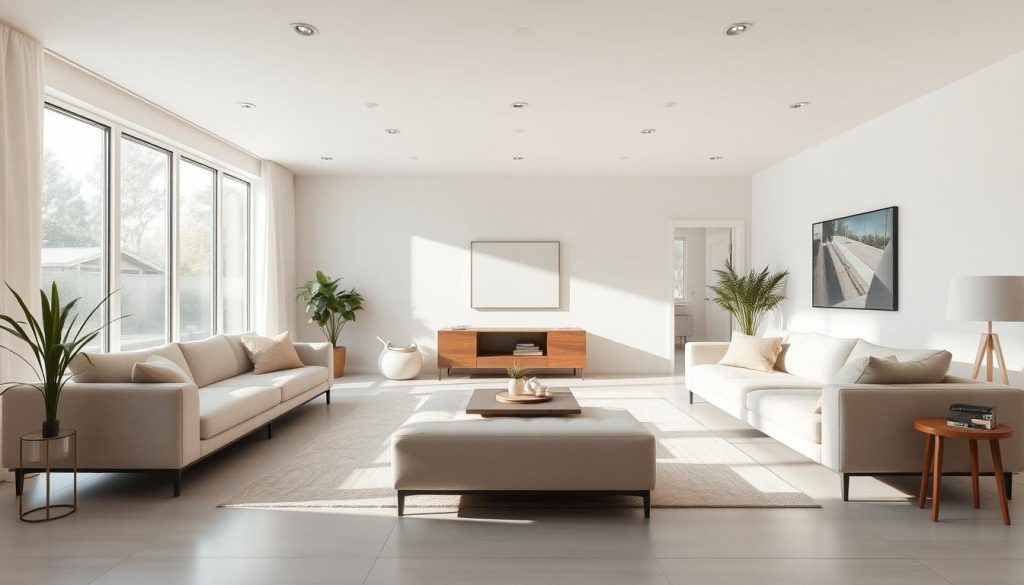
Minimalist interiors They are enjoying increasing popularity and are characterized by their clean lines and neutral color palettes Out. Muted colors like Beige, White and Gray create a calm and harmonious atmosphere that the Interior design simplified. When designing, it is important to maintain a high degree of order, which contributes to an elegant overall appearance.
Important Design tips Minimalist design includes the use of geometric shapes and the avoidance of asymmetrical furniture. It often relies on a small number of decorations, thus preventing a feeling of clutter. Materials such as... Glass, concrete and Wood They bring warmth and texture to the rooms, while light wall colors create a sense of spaciousness.
The choice of furniture is crucial. Multifunctional designs maximize space and emphasize the minimalist concept. Popular minimalist furniture pieces include stylish sofas and chairs in a Scandinavian style, as well as simple shelving systems. Textiles should be kept monochromatic to combine different textures without compromising the principles of minimalism.
A well-designed minimalist interior not only creates a harmonious and stress-free environment but also promotes the use of light and space. This leads to better energy efficiency and a more comfortable lifestyle. To create an inviting atmosphere, it is important to regularly... decluttering and to use the appropriate storage solutions.
The advantages of minimalist living
Minimalist living is becoming increasingly popular. More and more people are recognizing the benefits. Advantages of minimalist living For a slower pace of life. A central tenet of minimalism is the principle of "less is more," which leads to a more conscious and sustainable lifestyle.
Less possessions lead to a noticeable improvement in home organization and create more space. This is particularly beneficial in small apartments or rooms, as the available space can be used optimally. A tidy environment reduces mental stress by up to 281 TDS and improves sleep quality by up to 201 TDS, according to various studies.
Consciously reducing possessions also means less time spent on upkeep and organization. This leaves more time for the essential things in life. Minimalism can also lead to financial savings, as unnecessary expenses are avoided. On average, every household in Europe owns around 10,000 items. In the past, a household in Germany owned only 180 items.
Sustainability plays a crucial role in a minimalist lifestyle. The use of durable materials contributes to a smaller ecological footprint, which can be up to 501 TP3T lower than with conventional consumption patterns. Furthermore, minimalist furnishings promote flexibility and mobility, making it easier to adapt to life changes.
Many report increased joy and satisfaction in life through a minimalist lifestyle, which has received up to 75% positive feedback in surveys.
| Advantages | Effects |
|---|---|
| Stress reduction | Up to 30% lower stress levels |
| Improved order | More space and fewer distractions |
| Financial savings | Reducing unnecessary expenses |
| Sustainable lifestyle | Ecological footprint reduced by 501 TP3T |
| Boosting creativity | Up to 38% more creative possibilities |
Decluttering: The key to a minimalist life
Decluttering is a fundamental element for living a minimalist life. Dan Sha Ri method It conveys the importance of removing everything superfluous from one's living space. This technique aims to create more freedom and space. By getting rid of unnecessary possessions, one not only makes the environment tidier but also significantly improves the quality of life.
A well-thought-out Clean up This leads to keeping only the things that bring joy or serve a clear purpose. This reduction in possessions promotes a less stressful life and a clearer mind. Studies show that people who have freed themselves from material excess experience 30-50% greater satisfaction than their less minimalist counterparts.
The process of decluttering not only creates space for more important things, but also significantly increases concentration and productivity. A simplified environment can increase concentration by 10-251 TP3T. The value of Dan Sha Ri method It is therefore quite obvious: it helps to sustainably change one's own life and to reset priorities.
- Empty your home regularly and examine each item critically.
- Keep only things that are useful or bring joy.
- Anchor the principles of Dan Sha Ri method in your everyday life.
- Enjoy the benefits of a tidy living space.
Choosing the right color palette
Choosing a suitable color palette is crucial for the Color scheme and the general Living aesthetics. Neutral color palettesColors like white, gray, and beige create a calming atmosphere and make rooms appear larger. The interplay of colors influences the emotional well-being of the inhabitants and promotes a relaxed ambiance.
A proven approach is the 60/30/10 rule. Here, 60/3 of the room is designed in a dominant color, 30/3 in a secondary color, and 10/3 in an accent color. This method ensures a harmonious and appealing design. Furthermore, color combinations should take into account... Color theory colors can be selected, using suitable combinations such as monochrome or complementary colors.
Warm colors like orange and yellow lend a room an inviting coziness, while cool colors like blue and green have a calming effect. Studies show that choosing the right color can reduce perceived stress by up to 15%. Neutral colors complement other color schemes and allow for future adjustments, whether through the choice of furniture or other decorative elements.
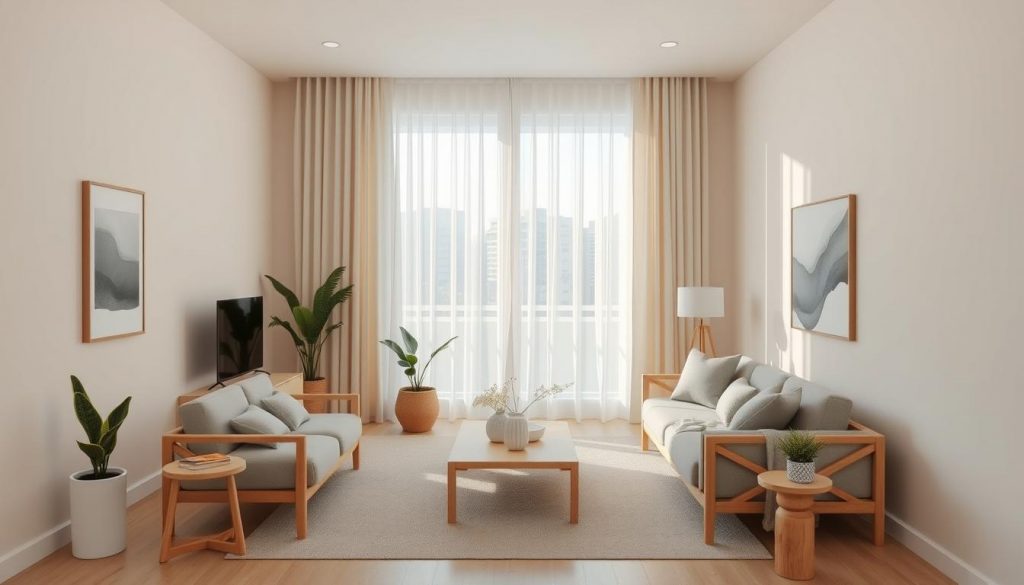
To achieve optimal results Color scheme To achieve the desired effect, it's advisable to test color samples over a 24-hour period to observe changes under different lighting conditions. Trying to combine no more than three colors within a room ensures clarity and balance. A successful example would be combining yellow with neutral tones like white and beige, which instantly creates a positive atmosphere.
| Color | Effect | Recommended combinations |
|---|---|---|
| Yellow | happiness | White, beige, cream |
| Blue | Quiet | Grey, White |
| Green | relaxation | Beige, Yellow |
| Orange | coziness | Black-and-white |
| Pink | Playful | Metallic tones |
Minimalist furniture design
Minimalist furniture design represents an aesthetic that prioritizes functionality and clean lines. The selection of functional furniture It allows for the effective use of space while avoiding unnecessary decoration. These designs create an airy atmosphere that suits modern living.
The use of up to three shades in a monochromatic color scheme enhances visual depth and creates a pleasant atmosphere. Interior designMuted colors like white, beige, and gray dominate the palette, with the option of adding a contrasting color like black. The selection of Furniture reduced often focus on multifunctional pieces such as convertible sofas or extendable dining tables.
A well-thought-out furniture arrangement not only improves visual appeal but also traffic flow in confined spaces. The use of natural light helps reduce the need for artificial lighting and promotes energy efficiency. Light-colored walls and reflective surfaces reflect light and enhance the feeling of openness in the room.
To create a welcoming atmosphere, natural materials such as wood and stone are recommended for minimalist design. A tidy home requires regular cleaning. Decluttering and well-designed storage solutions to make the most of negative space and promote visual clarity.
| feature | Description |
|---|---|
| Functionality | Furniture is multifunctional and serves multiple purposes. |
| color palette | Neutral colors like white, beige and grey create a calm atmosphere. |
| Natural materials | Use of wood and stone for an inviting design. |
| Negative spaces | Optimal use of open spaces to improve spatial perception. |
| decluttering | Regular cleaning and minimal possessions create a tidy environment. |
A minimalist home strives for less material possessions, focusing instead on greater contentment and happiness. Design ideas contribute to the creation of a harmonious and functional living environment.
Designing spaces optimally
The art of interior design requires a high degree of mindfulness and conceptualization. Through targeted Space optimization Every square meter can be used effectively. Established workflows and the correct arrangement of furniture promote a smooth flow of space and user-friendliness. A well-structured Housing Management It makes it possible to transform living space into a harmonious environment.
To make a room appear larger, mirrors can be used strategically. They reflect light and create an illusion of spaciousness. Important elements of room design include:
- Designated spaces for furniture that promote order and clarity.
- Use of bright, inviting colors to maximize the amount of light entering the room.
- A wide variety of floor coverings that fit functionally into any room.
- Taking personal preferences into account when choosing colors and materials.
Furthermore, lighting should not be neglected, as it significantly influences the ambiance of a room. Different light sources contribute to creating a vibrant atmosphere. A well-thought-out combination of accent and task lighting is of great importance here.
Numerous services are available for individual interior design, ranging from initial assessment to the implementation of the design concept. These services cover everything from office design to customized solutions for private living spaces.
| element | Recommended design | Functional advantages |
|---|---|---|
| Floor coverings | Carpet in the living room, tiles in the kitchen and bathroom | Harmonious sense of space and practical use |
| Colors | Light colors for small rooms, warm colors for northern orientations | Magnified optical effect and coziness |
| Lighting sources | Different light sources at different heights | Creating structure and vibrancy |
Conclusion
The conclusion on minimalism in the Interior design This shows that this style offers an excellent opportunity to design a living environment in a conscious and functional way. Advantages of minimalist interior design The benefits lie not only in aesthetic clarity, but also in creating a space that fosters peace and contentment. By focusing on fundamental elements, everyday life is relieved of stress and a sense of well-being is created. conscious living style, which has a positive effect in both work and leisure settings.
Careful planning and implementation of minimalist principles, such as the correct interplay of light, lines, and color effects, are crucial for harmonious interior design. Reducing the amount of positive space can promote movement and orientation within the home, which is particularly important in the most frequently used rooms. A well-designed space not only improves mood but also positively impacts overall well-being, a fact underscored by the close connection between interior design and emotional benefits.
In conclusion, the integration of natural materials, diverse colors, and thoughtful furniture design reinforces the trend toward an environmentally conscious and timeless interior style. Minimalism is enjoying increasing popularity as more and more people recognize the value of a well-designed and functional interior that meets individual needs while promoting a sustainable lifestyle.
FAQ
What are the central principles of minimalism in interior design?
The central principles of minimalism in the Interior design are the conscious restriction to the bare essentials, the use of clear lines, neutral color palettes as well as functional furniture, in order to create a harmonious and functional living environment.
How can I start decluttering?
Start with small areas and use methods like Hideko Yamashita's Dan-Sha-Ri method to remove everything unnecessary. Ask yourself about each item: does it bring you joy or serve a purpose?
Which colors are best suited for a minimalist home?
Neutral color palettes such as white, grey, beige and earth tones are best suited for a minimalist interior, as they create a calming atmosphere and promote visual clarity.
What are the advantages of a minimalist lifestyle?
A minimalist lifestyle It reduces stress, promotes concentration on the essentials, facilitates the maintenance of living spaces, saves time and resources, and supports a more conscious approach to consumption.
How do I choose functional furniture for my minimalist home?
Make sure that furniture is multifunctional, such as sofa beds or furniture with integrated storage. Avoid unnecessary decorations to create an airy feel in the room.
How do I optimally design a room in a minimalist style?
Make thoughtful use of every square meter by arranging furniture to promote the flow of the room. Strategically use mirrors to make the room appear larger, and ensure that all items have a designated place.
What was the role of the Bauhaus in minimalist design?
The bauhaus was a significant movement in the early 20th century that established the principle of "less is more" and shaped clean lines and functional designs in interior design.
How does Japanese Zen philosophy contribute to minimalism?
Japanese Zen philosophy promotes values such as simplicity and serenity, which are essential to minimalist aesthetics. It teaches living in harmony with nature and avoiding the superfluous.
What are some practical tips for implementing minimalist principles?
Start by decluttering, choose a neutral color palette, opt for multifunctional furniture, and create spaces that exude calm and clarity. Also, prioritize natural materials like wood and stone.