
Minimalism: reclaiming leisure time instead of constant consumption
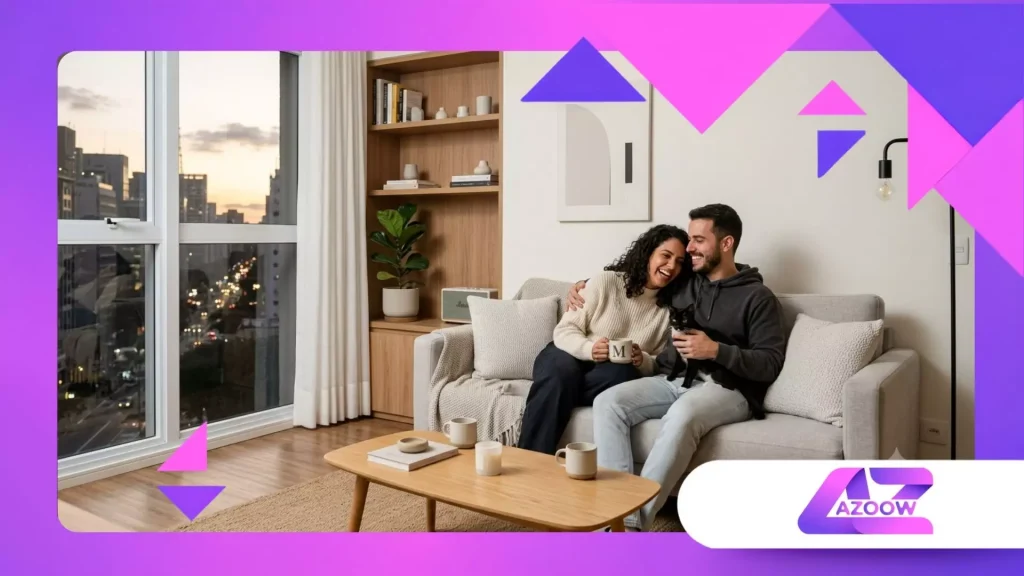
Minimalism – Reclaiming Leisure Time is the crucial impetus for a self-determined life in a hyperactive society.
Advertisement
Many people today experience a deep exhaustion that does not primarily stem from the workplace, but from the subsequent, tightly scheduled leisure activities.
We consume experiences, buy gadgets for hobbies, and rush from one event to the next, only to end the weekend feeling more tired than before.
Modern life often confuses relaxation with constant activity. True leisure, however, does not mean filling one's schedule with consumer goods, but rather reclaiming space for doing nothing and spontaneous expression.
Conscious consumption reduces mental baggage and creates space for genuine, unplanned quality of life.
What you can expect to find in this article:
- The illusion of consumption: Why shopping steals our time.
- Practical strategies: How to effectively slow down your leisure time.
- Scientific findings: The connection between minimalism and mental health.
- Frequently Asked Questions: Answers for your minimalist everyday life.
Why do we waste our time on constant consumption?
What is meant by leisure consumerism?
The term describes the phenomenon of systematically linking free time with purchasing decisions and the consumption of services.
Instead of relaxing in the park, we buy expensive equipment for trendy sports or spend hours in online shops to find the perfect accessories for the next weekend.
This form of leisure activity demands constant attention and ties up financial resources that we previously had to acquire through working hours.
A vicious cycle ensues: We work more to afford excessive leisure consumption. True relaxation falls by the wayside because the focus is on owning and experiencing material things.
When every free minute is monetized, leisure time loses its original purpose: the regeneration of body and mind.
How do material goods rob us of precious time?
Every item we acquire requires care, organization, space, and attention.
A new, complex home cinema system needs to be set up, maintained, and eventually paid off, which reduces free time.
By focusing on Minimalism – Reclaiming Leisure Time In this context, it means freeing oneself from the burden of administration.
Owning less means less cleaning, repairing, and insuring, which directly leads to more autonomy in terms of time.
Imagine your life like a house: if every room is filled with furniture right up to the ceiling, there is no room left to move freely or take a deep breath.
This is exactly what happens to our time when we overload every free hour with consumption. Reducing our material possessions immediately creates noticeable free time in our daily lives.
++ Minimalism in the calendar: How I became happier with only 3 appointments per week
What role do social media play in this stress?
Platforms like Instagram or TikTok act as digital showcases that constantly trigger the need for new experiences and products.
We see the perfectly staged holidays, the latest gadgets, and the trendiest restaurants of our fellow human beings and immediately feel the pressure to keep up.
This social comparison leads us to understand leisure time as a kind of competition that needs to be optimized.
Digital consumption feeds the fear of missing out (FOMO) and keeps us trapped in a permanent loop of dissatisfaction.
A conscious digital detox is often the first step in separating our own true needs from the artificially created desires of the advertising industry. Only in the silence away from screens can we recognize what truly fulfills us.

How does liberation through minimalist leisure activities work?
What is the first step towards slowing down?
A radical review of one's own schedule forms the foundation for any sustainable change.
Analyze the past few weeks and critically examine which activities gave you energy and which only cost you money and nerves.
Eliminate obligations that arise solely from a false sense of duty or the desire for social status.
It's not about leading a boring life, but about increasing the intensity of what is experienced.
A single, intensely enjoyed walk in the forest can be more restorative than a meticulously planned wellness weekend in a crowded resort.
By specifically through Minimalism – Reclaiming Leisure Time, set clear priorities for your mental health.
See also: How minimalism changes your relationship with social media
What are some practical examples of minimalist leisure activities?
An excellent example is the „microadventure“ right on your doorstep, instead of booking a long-distance trip for a long weekend.
Pack a simple backpack and explore a nearby natural area on foot or by bicycle, without having to purchase expensive equipment.
Another example is the establishment of analog afternoons, during which electronic devices remain completely switched off and instead people read, draw or talk.
These activities cost almost nothing, require no logistical mastery, and offer maximum scope for spontaneity.
They don't consume pre-packaged entertainment, but rather actively and autonomously shape their time again. The simplicity of these experiences anchors them in the present moment and demonstrably reduces stress.
See more: Minimalism in the home office: Focus instead of distractions
Why is doing nothing a forgotten art?
In a performance-oriented society, doing nothing is often wrongly equated with laziness or unproductive waste of time.
However, the brain needs periods without external stimuli to process experiences, develop creativity, and calm the nervous system.
Those who constantly consume, be it media, fast fashion or events, deny their minds these essential periods of rest.
Consciously enduring boredom and silence is an act of inner resistance against constant sensory overload.
When we learn to simply be, without having to achieve or buy anything, the foundation of consumer culture crumbles. From this inner peace arises a deep, lasting contentment.
What tangible benefits does abstaining from consumption bring?
Why does minimalism improve mental health?
Abstaining from constant consumption reduces the stress hormone cortisol, as the pressure to compare and acquire is eliminated.
A recent study from the University of Zurich in 2025 clearly shows that people with a minimalist lifestyle have significantly higher life satisfaction and a lower risk of burnout than the control group.
Reducing external stimuli leads directly to inner clarity and emotional stability.
When happiness no longer depends on the next purchase, the fear of failure also fades. You are no longer a slave to your desires, but the master of your time.
This emotional independence is the most valuable side effect when you use Minimalism – Reclaiming Leisure Time.
How does this focus change the financial situation?
Those who consume less automatically save considerable financial resources, which in turn open up new freedoms.
This money can be used to reduce debt, build up savings, or reduce weekly working hours.
Financial freedom can therefore be directly translated into lifespan: those who need less money to live on have to exchange less lifespan for money.
Ask yourself: Is the new smartphone really worth sitting in the office for thirty hours?
Once you have internalized this relationship, consumption quickly loses its superficial appeal.
True financial freedom is not defined by income, but by low fixed costs.
What long-term effects will this have on our relationships?
Minimalism shifts the focus away from material things and towards interpersonal relationships and shared experiences.
Instead of meeting in noisy shopping malls or expensive venues, the focus shifts to in-depth conversations over a simple dinner at home.
The quality of time spent together increases as distractions are minimized and presence for one another grows.
Relationships gain depth when they are no longer filtered through shared consumption.
You learn to appreciate people in their purest form, independent of status and material appearances. This creates a strong, authentic social network that provides support even in times of crisis.
Data-driven overview of time usage
The following table illustrates the difference between a consumer-oriented and a minimalist lifestyle based on average weekly time expenditure in Central European households.
| Activity in focus | Time spent on consumer lifestyle (hours/week) | Time commitment for a minimalist lifestyle (hours/week) | Time gained through minimalism |
| Online Shopping & Research | 5.5 hours | 0.5 hours | + 5.0 hours |
| Maintenance, cleaning & management of property | 7.0 hours | 2.0 hours | + 5.0 hours |
| Overtime for consumer financing | 6.0 hours | 0.0 hours | + 6.0 hours |
| Passive media exposure (FOMO-driven) | 12.0 hours | 4.0 hours | + 8.0 hours |
| Effective free time for regeneration | 4.5 hours | 22.5 hours | + 18.0 hours |
A new perspective on time: Time affluence as the true currency
Choosing a minimalist lifestyle is not a painful sacrifice, but a liberating move for one's own quality of life.
By shifting our focus away from having and towards being, we regain control over our most valuable resource: our time.
Through the deliberate concept Minimalism – Reclaiming Leisure Time We are establishing a healthy foundation to counter the demands of a restless world.
Start today by consciously taking a break from consumption and deliberately leaving the newfound freedom untouched. The true currency of the 21st century.
The wealth of time we have in this century is not the money in our bank accounts, but the time we can control ourselves. Radically protect this resource from the influence of the advertising industry.
What are your experiences with reducing consumption in everyday life? Feel free to share your personal experiences and tips with us in the comments below!
Frequently Asked Questions
Does minimalism mean that I'm not allowed to buy anything at all anymore?
No, absolutely not. It's not about asceticism, but about intention. Buy things that are truly useful or will bring you long-term joy, instead of giving in to impulse purchases.
How do I deal with social pressure among my friends?
Communicate your values openly and proactively suggest free or minimalist alternatives for get-togethers, such as picnics or hikes. True friends respect your priorities.
Does the environment also benefit from this minimalist approach?
Yes, massively. Less consumption means less resource use, lower CO2 emissions in production and transport, and significantly less waste. Your personal time savings are simultaneously a gain for the planet.