
The Slow Fashion Movement: Slow fashion for a sustainable future.
Advertisement
The Slow Fashion Movement has established itself as a response to the harmful effects of the fast fashion industry.
With a growing global sensitivity to sustainable fashion and ecological challenges, this movement represents a *conscious alternative*.
While Londoners buy an average of 115 items of clothing per person per year, 11 million of these end up in the trash every week. It's time to rethink our buying habits and recognize the importance of durable, high-quality, and ethical fashion.
The sustainability The fashion industry demands that we value our clothing as a resource that is important not only for our own needs, but also for the environment and the working conditions of everyone involved in the production process.
Brands committed to *Slow Fashion* focus on transparency and fair practices while being concerned about the needs of our planet.
In the following sections, we will discuss the principles of Slow Fashion Movement Let's take a closer look and find out how we can bring about positive change through conscious consumption.
What is Slow Fashion?
The Definition of Slow Fashion describes a conscious, sustainable approach to fashion, in contrast to the fast-paced fast fashion culture. This movement originated in 2007, when Kate Fletcher The concept was launched by the Centre for Sustainable Fashion. Its aim is to encourage consumers to appreciate their clothing and minimize its impact on the environment.
Slow Fashion The brand values durable, high-quality products manufactured with respect for environmental and social standards. The focus is on fewer purchases, with a particular emphasis on high-quality materials such as organic cotton and linen. It recommends consuming less but more consciously and prioritizing the purchase of second-hand clothing.
Compared to fast fashion, many Slow FashionThese brands offer only a few specific styles per collection, often two to three times a year. They also commit to selling in smaller, local shops, creating authentic shopping experiences.
The difference between slow fashion and fast fashion
The fashion consumption landscape has changed drastically in recent decades. In particular, the Differences between Slow Fashion Fast fashion and other forms of clothing production illustrate the different approaches to clothing creation and use. Fast fashion is characterized by rapid production, with companies like H&M and Zara launching up to 11 collections per year. This model often leads to a culture of overconsumption and a high number of unworn garments remaining in consumers' closets.
In contrast, slow fashion follows a philosophy that prioritizes longevity and sustainability. Garments are often made from natural, biodegradable materials, reducing environmental impact. While fast fashion frequently relies on synthetic fibers like polyester, which cause high CO2 emissions, slow fashion promotes closed-loop water systems for reusing water in production.
The Differences Clothing production also affects working conditions. Local manufacturers in the Slow Fashion Movement They often offer higher wages and better working conditions compared to many fast fashion factories in developing countries. By choosing slow fashion, consumers have the opportunity to make a more conscious and sustainable choice. Fashion consumption to support.
To learn more about the basic concepts of Slow Fashion vs. Fast Fashion To learn more, it is worth taking a look at various sources that explain the meaning and advantages of the Slow Fashion Movement highlight how here.
The history of the Slow Fashion movement
The Origins of Slow Fashion They can be traced back to 2007. Initiated in London Kate Fletcher the movement and coined the term "slow fashion". Its goal was to... challenges to tackle the fast fashion industry, which has caused massive environmental and social problems. Fashion history The clothing market has changed dramatically between 2000 and 2014 due to the surge in production, which doubled. At the same time, the lifespan of clothing items is decreasing. German consumers now purchase an average of 60 items of clothing per year, but the usage of these items has halved compared to 15 years ago.
The Slow Fashion Movement The issue has come into sharp focus, particularly after the devastating Rana Plaza disaster in Bangladesh in 2013, which claimed the lives of more than 1,100 people. This tragedy served as a wake-up call, raising awareness of the problems within the fashion industry. The speed at which fast fashion companies produce and market clothing highlights the contrast with the values of slow fashion. Some brands release up to 24 collections per year, while the real-time fashion trend allows for the creation of 700 to 1,000 new styles daily.
The movement promotes high-quality garments produced in smaller quantities under fair working conditions. Fletcher emphasizes that simply slowing down production is not enough. A fundamental shift in our relationship with clothing is necessary. An important aspect of slow fashion is the active commitment to appreciating one's wardrobe and taking responsibility for the lifespan of garments.
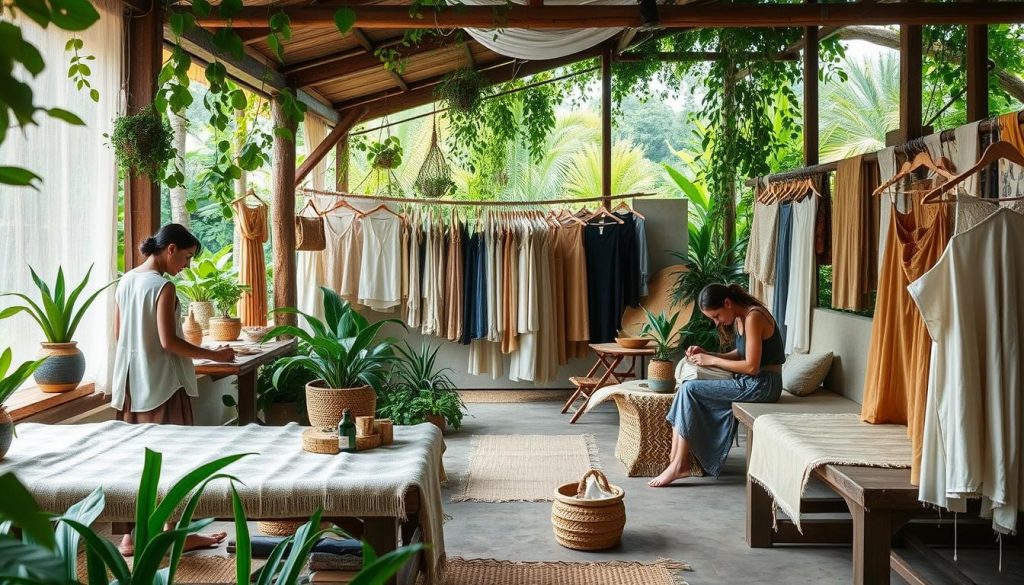
| Year | Event | Meaning |
|---|---|---|
| 2007 | Founding of the Slow Fashion Movement | Conceptualization by Kate Fletcher |
| 2013 | Rana Plaza factory collapse | Raising awareness of injustices |
| 2007 | EU chemicals regulation REACH | Regulation of harmful chemicals |
| 2009 | EU Regulation No. 551 | Improvement of environmental protection standards |
The impact of fast fashion on the environment
Fast fashion poses a significant challenge to the environment and has far-reaching consequences. Environmental impact of fast fashionThese are often overlooked. Clothing production increased by 100% between 2000 and 2014. This exponential increase has led to a noticeable strain on natural resources. The average German now buys around 60 items of clothing annually, while the lifespan of clothing has been halved in the last 15 years.
A key problem is the enormous amount of water required to produce textiles. An estimated 2,700 liters of fresh water are needed for a single cotton T-shirt. This high water consumption has led to significant ecological damage, including the drastic shrinking of the Aral Sea, which has decreased by 90 square kilometers since 1960, primarily due to cotton cultivation.
- Fast fashion companies release up to 24 collections per year.
- Ultra-fast fashion companies create between 700 and 1,000 new styles every day.
- In particular, water consumption and chemical pollution from textile production contribute to pollution at.
Furthermore, approximately 20 million tons of global water pollution originate from the textile industry, with harmful chemicals entering the water. Producing one kilogram of textiles requires roughly one kilogram of chemicals, meaning that contaminated wastewater often ends up in the environment. Microplastics also pose a serious problem; in Germany, an estimated 80 to 400 tons of microplastics are released annually through the washing of synthetic textiles.
Excessive consumption results in mass disposal, which further burdens landfills and promotes a throwaway culture. Over 80% of used clothing ends up in landfills or is incinerated, making a significant contribution to... pollution The Slow Fashion movement offers a solution by... sustainable materials and promotes productions.
Slow Fashion Movement: Benefits for People and the Environment
The slow fashion movement not only benefits the environment, but also promotes social responsibilityQuality-conscious consumers are increasingly turning away from the mass-produced goods of fast fashion. Instead, they are investing in durable and sustainable clothing. This contributes to reducing waste and a smaller environmental footprint, as millions of tons of clothing end up in landfills every year due to ill-considered purchasing decisions.
Another advantage of slow fashion is that this movement promotes the use of biodegradable materials and closed-loop water systems. These practices minimize the use of valuable water resources and support a better future. Environmental awarenessFurthermore, slow fashion companies are often transparent in their production processes, which helps consumers make conscious choices.
Promoting fair labor practices is a central aspect of slow fashion. This means not only better working conditions but also fairer wages for workers. The rejection of unethical working conditions, which are common in fast fashion, demonstrates that social responsibility is taken over along the entire production chain.
Those who Advantages of Slow Fashion Consumers who wish to support sustainable practices not only find greater peace of mind in their clothing choices, but also contribute to a more sustainable and responsible fashion industry. By buying fewer but higher-quality clothes, they can reduce their ecological footprint and simultaneously extend the lifespan of their wardrobe.
Production and materials in slow fashion
The slow fashion movement places a strong emphasis on the selection and quality of the materials used. The use of sustainable materials Materials such as biodegradable cotton, linen and recycled fabrics play a central role in the Environmentally friendly productionThese materials not only have a lower impact on the environment, they also contribute to reducing the amount of textile waste, which is generated in millions of tons every year.
Additionally, production methods are of crucial importance. Slow fashion brands rely on resource-conserving processes and commit to… Fair Trade-practices. This means that working conditions for workers are improved and fair wages are paid. Certifications such as GOTS and Fairtrade guarantee this. social responsibility and sustainability throughout the entire supply chain, which strengthens confidence in these products.
A more transparent supply chain ensures that consumers can make informed choices. Clothing brands committed to slow fashion often produce fewer collections and focus instead on the quality of their garments. This reduces the need for frequent purchases and encourages longer-term use of the products.
| feature | Slow Fashion | Fast Fashion |
|---|---|---|
| Materials | Sustainable materials, biodegradable | Synthetic materials, often not recyclable |
| Production methods | Environmentally friendly productionfair working conditions | Fast and inexpensive production, often under poor conditions |
| life | Lasts longer, usually durable designs | Shorter lifespan, faster wear and tear |
| sustainability | High standards, regulated use of chemicals | Little focus on sustainability, high chemical pollution |
By choosing slow fashion products, consumers can make a positive contribution to the environment and fair working conditions. Clothing should not only look good, but also be produced in accordance with ethical standards.
Challenges of the Slow Fashion Movement
Despite the growing interest in slow fashion, this movement faces numerous challenges. challenges In contrast, the fashion industry generates approximately 92 million tons of textile waste annually and is a significant contributor to CO2 emissions, accounting for 101,000 tons of global emissions. A key aspect is the danger of greenwashing. Companies often claim to be sustainable without taking genuine action. Such unclear practices make it difficult for consumers to distinguish authentically sustainable brands from those that merely adopt a green veneer.
To meet these challenges, increased [effort/investment] is needed. Consumer awareness Required. Critical questioning about where and how clothing is produced is becoming a necessity for consumers. Certifications such as GOTS, IVN Best, and OEKO-TEX – Made in Green are considered some of the strictest ecological standards in the textile industry and help to increase the credibility of sustainable fashion.
The application of sustainable practices often requires higher production costs, which are reflected in the final prices for consumers. At the same time, involvement in the slow fashion movement promotes a significantly smaller ecological footprint compared to fast fashion.
| Challenge | Description |
|---|---|
| Greenwashing | Companies claim to be sustainable without taking any substantial measures. |
| Consumer awareness | Improving awareness of sustainable fashion and critically examining products. |
| Production costs | Higher production costs lead to higher final prices for consumers. |
| Textile waste | 92 million tons of textile waste annually, which has significant environmental consequences. |
Brands that practice slow fashion
The increasing demand for sustainable fashion has led to more and more Slow Fashion Brands emerge. These companies provide ethical fashion Her products not only impress with their quality, but also with the fair working conditions under which they are produced. An outstanding example is the brand Armedangels, which uses environmentally friendly materials and is completely transparent in its production processes.
Another notable brand is MELAWEAR, which follows the Cradle to Cradle approach to ensure its production is both environmentally friendly and socially responsible. These sustainable brands offer an alternative to fast fashion by avoiding unnecessary production and relying on on-demand manufacturing.
Platforms like Avocaostore combine various Slow Fashion Brands and thus offer a wide selection of clothing produced according to ethical standards. Customers can be confident that their purchasing decisions have a positive impact on the environment and society.
| brand | focus | Special features |
|---|---|---|
| Armedangels | Sustainable materials | Fair working conditions, transparent production chain |
| MELAWEAR | Cradle to Cradle | Environmentally friendly production, social responsibility |
| Avocaostore | Association of sustainable brands | Diversity of ethical fashion |
Tips for a sustainable wardrobe
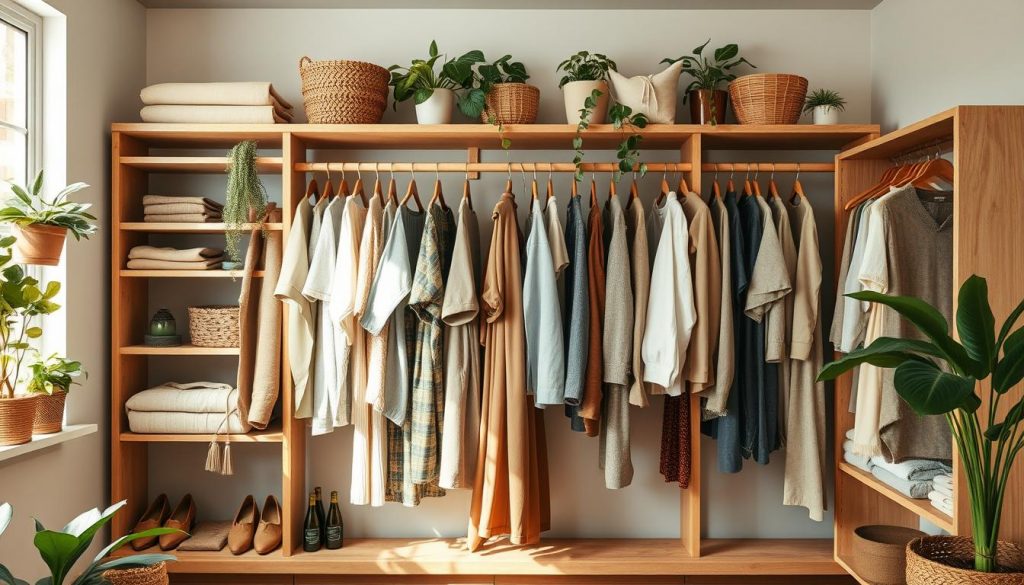
A sustainable wardrobe contributes significantly to a positive Fashion consciousness at. Consumers should be aware of various Tips Consider these factors when making your wardrobe ecologically and ethically responsible. Here are some valuable approaches:
- Buy secondhand clothes: Secondhand shops and vintage markets promote reuse and reduce the demand for new production.
- Choose sustainable materials: The use of organic cotton and other environmentally friendly fabrics minimizes the ecological footprint.
- Long-term storage: Caring for clothes extends their lifespan and reduces the need to buy new clothes.
- Focus on upcycling: DIY projects and reworking or repairing chapters contribute to reducing textile waste.
- Capsule Wardrobe: A clear selection of timeless clothing items allows for more flexibility and promotes more conscious styling.
Choosing a sustainable wardrobe not only has positive effects on the environment, but also represents a responsible purchasing decision and increased [consideration/value]. Fashion consciousness.
| Tip | Description |
|---|---|
| Secondhand clothing | Enables the reuse of clothing and reduces waste. |
| Sustainable materials | Reduces the ecological footprint through environmentally friendly material selection. |
| Care | It extends the lifespan of clothing and reduces impulse purchases. |
| Upcycling | Create something new from something old and foster creativity. |
| Capsule Wardrobe | Focuses on timeless pieces and reduces overconsumption. |
Conclusion
The slow fashion movement is bringing about a significant change in the fashion industry by focusing on quality, sustainability, and ethical standards. Conclusion: Slow Fashion It's clear: By adopting more conscious consumer behavior, consumers can contribute to shaping a sustainable future for fashion. More and more people are interested in enriching their wardrobes with durable and well-made products, instead of supporting the excessive consumption of fast fashion.
Current statistics show that 15 percent of Germans are willing to switch to slow fashion. This movement promotes more environmentally friendly behavior by aiming to reduce waste and encouraging consumers to make more sustainable choices. sustainable fashion to pay. Aspects such as recycling and the use of bio-materials play a central role in the decision-making process, which underlines the importance of conscious consumption.
By operating transparently and sustainably, the fashion industry can minimize the negative impacts of fast fashion. This means not only extending the lifespan of a garment but also actively contributing to a more socially just and sustainable future. Ultimately, it is up to us to follow this trend and embrace slow fashion as part of our lifestyle.
FAQ
What is meant by Slow Fashion?
Slow Fashion is a movement that promotes sustainable fashion and conscious consumption by highlighting the appreciation of clothing and the environmental and social impacts of the fashion industry.
How does slow fashion differ from fast fashion?
The main difference lies in the philosophy: Slow Fashion values the longevity of garments and fair working conditions, while Fast Fashion focuses on rapid production and constant trend changes.
Why is slow fashion important for the environment?
Slow fashion reduces waste and the exploitation of resources by prioritizing sustainable materials and environmentally friendly production methods that leave a smaller ecological footprint.
What materials are used in slow fashion?
Slow fashion mainly uses biodegradable fabrics such as organic cotton, linen and recycled materials, which are more environmentally friendly than conventional fabrics.
What social benefits does slow fashion offer?
Slow Fashion supports fair working conditions and social responsibility in the fashion industry, leading to better wages and working conditions for workers.
What challenges does the slow fashion movement face?
One of the major challenges is that Greenwashing, where companies present themselves as sustainable without taking any real action, making it difficult for consumers to identify authentic brands.
Name some brands that promote slow fashion.
Examples of brands that practice slow fashion are Armedangels and MELAWEAR, which focus on sustainable materials and fair working conditions.
How can I build a sustainable wardrobe?
To create a sustainable wardrobe, consumers should buy secondhand clothes, pay attention to sustainable materials, and care for their garments to extend their lifespan.